
Balanced Diet Crucial for Long-Term Pet Health Key Benefits

Every devoted pet owner wants their furry friends to lead long, happy lives. One of the fundamental pillars of ensuring this is a balanced diet. Just as with humans, the nutritional choices we make for our pets significantly impact their health and longevity.
With a multitude of pet food options available, it can be overwhelming to determine what truly constitutes a healthy diet. A well-rounded diet can help prevent various health issues, including obesity, diabetes, and heart disease, leading to a higher quality of life for your pets.
This article will delve into the top 5 benefits of maintaining a balanced diet for pets, equipping you with the knowledge needed to make informed decisions for your four-legged companions. From improved energy levels to enhanced immunity, discover how proper nutrition can pave the way for a healthier future for your beloved animals.
Top 5: The Importance of a Balanced Diet for Long-term Pet Health
When it comes to securing the health and longevity of our cherished animal companions, one pivotal factor stands out unmistakably—their diet. A balanced diet is not merely a trend but rather a cornerstone of comprehensive pet care that influences their immediate well-being and lays a robust foundation for their long-term health. In this exploration, we uncover the top five compelling reasons why crafting a well-rounded nutritional plan is indispensable for our furry friends. Get ready to be informed and inspired as we unveil the multi-layered significance of proper pet nutrition in nurturing a happy and healthy life for your pets!
5. Prevention of Common Health Issues
A balanced diet is instrumental in thwarting a host of common health dilemmas that pets often encounter. While the temptation of indulging our pets with treats is ever-present, poor nutrition can lead to critical issues such as obesity, diabetes, heart disease, and even dental problems. These conditions can severely debilitate a pet’s quality of life and potentially shorten their lifespan.
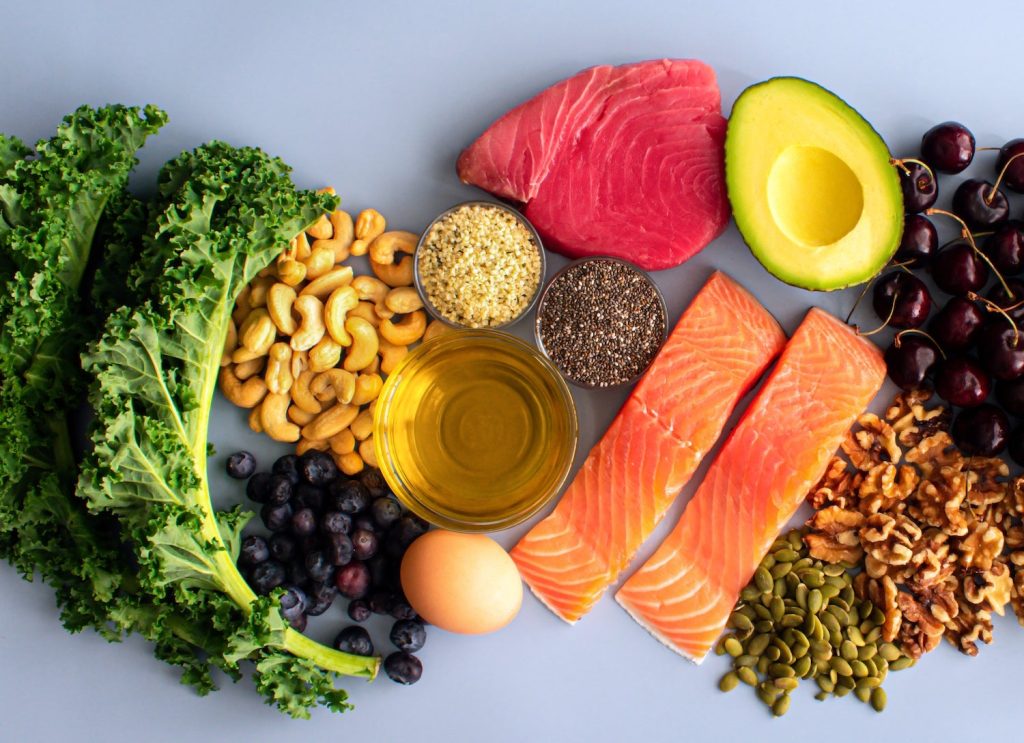
Scientific research underscores the importance of managing a healthy weight to decrease the incidence of chronic illnesses in pets. By incorporating essential ingredients such as:
- High-quality proteins like chicken, beef, or plant-based alternatives ensure amino acid balance for tissue repair and muscle growth.
- Whole grains such as brown rice or oats provide sustained energy and fiber.
- Fruits and vegetables rich in vitamins and antioxidants strengthen the immune response.
pet owners can effectively minimize the risk of health emergencies. Regular veterinary consultations coupled with a balanced diet can dramatically improve health outcomes and lead to a longer, happier life for pets.
4. Enhanced Energy Levels and Activity
The correlation between a well-balanced diet and a pet’s energy levels is profound. Pets who receive the optimal balance of nutrients display higher vitality and are more inclined to engage in play, exploration, and interaction. Much like humans, pets require the right fuel to thrive in daily activities, from bounding across the yard to chasing toys indoors.
Carbohydrates are a primary source of energy, enabling daily exuberance, while proteins are indispensable for maintaining muscle health and regenerative processes. Tailoring your pet’s diet to their unique needs—considering age, breed, and activity levels—ensures that they remain spirited and full of life. Moreover, dietary fats derived from sources like olive oil or fish oil support energy stockpiling and nutrient absorption, further propelling their zest for life.
3. Improved Digestion and Nutrient Absorption
Optimal digestion is a key facet of pet health, and a balanced diet is crucial in facilitating it. Pets burdened by digestive issues often face significant discomfort, which can be alleviated via strategic nutrition. A diet suffused with fiber ensures bowel regularity and fosters gut health, culminating in improved nutrient absorption and overall digestive well-being.
Incorporating food items such as:
- Fiber-rich vegetables like carrots and sweet potatoes promote digestive health and regularity.
- Quality grains serve as sources of slow-digesting carbohydrates.
- Probiotic supplements enhance microbiome balance and contribute to a healthy gut.
By integrating these elements, pet owners support a thriving digestive ecosystem, ensuring that pets extract maximal nutritional benefits from their diet.
2. Stronger Immune System
A diet balanced in a variety of nutrients catalyzes a resilient immune system in pets. When they are nourished with a spectrum of vitamins, minerals, and antioxidants, their bodies are better equipped to ward off illnesses and recover expeditiously from diseases.
Nutrients like Omega-3 fatty acids, prevalent in fish oils, serve as critical agents in reducing inflammation and bolstering immune function, which translates to fewer infections and an overall healthier existence.
Thus, paying sustained attention to dietary diversity and nutritional quality is not just beneficial but essential in nurturing a robust immune response, aiding your pet in leading a protected and vigorous life.
1. Longer Life Expectancy
At the pinnacle of reasons to maintain a balanced diet for pets is the significant impact on their longevity. Several studies suggest that pets with access to adequate nutrition tend to enjoy longer, healthier lives. A balanced diet is pivotal in maintaining optimal health, reducing the frequency of veterinary visits, and minimizing costly medical interventions.
Aligning dietary choices with factors like a pet’s age, breed, and lifestyle paves the way for a maximized lifespan. Enriching a pet’s diet with essential nutrients reaps dividends in the form of extended years of companionship and joy.
In conclusion, while dietary choices may seem mundane, their ramifications are profound. Through dedicated attention to a balanced diet, pets benefit from disease prevention, amplified energy, and enhanced longevity. As caretakers, the choices we make resonate deeply through the years, ensuring that our furry friends bask in vibrant, fulfilling lives brimming with love and boundless energy.
| Category | Description |
|---|---|
| Nutritional Balance | A balanced diet ensures pets receive a correct ratio of proteins, carbohydrates, fats, vitamins, and minerals that are essential for their overall well-being. |
| Weight Management | Proper diet contributes to maintaining healthy body weight for pets, reducing the risk of obesity-related ailments such as diabetes and joint problems. |
| Digestive Health | By providing a diet rich in fiber, pets can experience improved digestive health, enhancing nutrient absorption and minimizing gastrointestinal issues. |
| Longevity and Quality of Life | A balanced diet can potentially extend a pet’s life and improve their quality of life by preventing chronic diseases and boosting their immune system. |
Frequently Asked Questions About Balanced Diets for Pets
What are the key components of a balanced diet for pets?
A balanced diet for pets typically includes a variety of nutrients that fulfill their specific dietary needs. These key components generally consist of proteins, carbohydrates, fats, vitamins, and minerals. Proteins are essential for muscle development and repair, while carbohydrates provide energy. Healthy fats are crucial for a shiny coat and brain health. Vitamins and minerals play a vital role in maintaining metabolic functions and supporting a strong immune system.
How does a balanced diet impact my pet’s long-term health?
A balanced diet is pivotal for sustaining your pet’s health over the years. It aids in preventing chronic diseases such as obesity, diabetes, and heart conditions. Ensuring your pet receives the right balance of nutrients can considerably improve their quality of life and increase their lifespan. Moreover, a balanced diet contributes to healthy weight management, boosted energy levels, and a stronger immune system, which together enhance the pet’s overall well-being.
Can I prepare homemade meals for my pet while ensuring they have a balanced diet?
Yes, it’s possible to prepare homemade meals for your pet, but it’s important to do so carefully to ensure nutritional balance. Consulting with a veterinarian or a pet nutritionist is advisable to create a well-rounded diet plan. They can provide guidance on portion sizes, ingredient selection, and necessary supplements to meet your pet’s individual dietary requirements. Avoid sudden changes in your pet’s diet and introduce new foods gradually to prevent digestive issues.
What should I avoid when selecting foods for my pet’s diet?
There are certain foods and ingredients that should be avoided to prevent health issues in pets. These include chocolate, grapes, raisins, onions, garlic, and foods containing high levels of sodium or artificial additives. Additionally, some pets may have specific allergies or intolerances; hence, it is crucial to monitor your pet’s reaction to new foods. Always prioritize quality and choose foods that are free of harmful substances and provide comprehensive nutrition.
Conclusion: The Long-Term Benefits of a Balanced Diet for Pets
Providing pets with a balanced diet is crucial for their health and longevity. Throughout the article, we have explored the various facets of why diet matters to our beloved companions. Ensuring appropriate nutrient intake helps prevent numerous diseases, supports their immune system, and promotes energy and vitality. A balanced diet caters to specific needs depending on the pet’s breed, size, age, and activity level.
Notably, a well-balanced diet reduces the risk of obesity, which can lead to serious health issues such as diabetes and heart disease. Additionally, providing your pet with a variety of nutrients supports healthy skin and a shiny coat, contributing to both physical health and a visibly happier pet. Moreover, by maintaining a consistent and balanced meal plan, pet owners can minimize digestive problems and avoid the pitfalls of nutrient deficiencies.
- Preventative Health Care: A balanced diet can curb the onset of chronic diseases.
- Tailored Nutrition: Specific diets should be considered based on individual needs.
- Weight Management: Proper nutrient balance helps in avoiding obesity-related complications.
- Enhanced Well-being: A well-nourished pet indicates a longer, healthier life span.
- Stronger Defenses: Adequate nutrients bolster the immune system, defending against common ailments.
In conclusion, ensuring that pets receive a diet that is both balanced and suitable for their unique characteristics is not just beneficial but essential for their sustained health and happiness. As responsible pet owners, it’s our duty to research and provide for their dietary needs, seeking advice from veterinarians and nutrition experts as necessary. By doing so, we invest in the quality of life and the longevity of our four-legged friends, reaffirming that a balanced diet is indeed a pillar of their overall well-being.