
The Importance of Positive Training in Cat Education for Happy Pets

Understanding the Benefits of Positive Training
In the world of pet ownership, training your feline friend can often feel like a daunting task. However, embracing positive training techniques can lead to a harmonious relationship between you and your cat. Understanding the significance of this approach not only increases your cat’s happiness but also enhances your bond.
Why Positive Training Matters
- Builds Trust: Positive reinforcement fosters a trusting environment.
- Encourages Good Behavior: Cats learn faster when rewarded for positive actions.
- Reduces Anxiety: Gentle, structured training helps alleviate stress and fear.
As cat owners, we often strive for the best methods to train our pets. In exploring the best approaches, identifying the top 5 benefits of positive training can serve as a valuable tool in your arsenal. Join us as we delve deeper into the transformative effects of this training methodology.
The Importance of Positive Training in Educating Cats
Training our feline companions may sometimes seem like attempting the impossible. Unlike dogs, cats are often perceived as independent and aloof creatures, whose behavior can feel unpredictable or even obstinate. However, the concept of positive reinforcement offers an innovative and effective approach to cat training. This method not only strengthens the bond between cats and their owners but also promotes constructive behavior. In this article, we explore the top five reasons why positive training is essential for teaching cats, ranking them from fifth to first.
5. Enhances Communication
The foundation of any successful training regimen is establishing a clear line of communication between cats and their human companions. Positive training techniques, such as employing verbal cues or hand signals followed by treats or praises, significantly enhance this communication. Cats, through repeated positive experiences, learn to associate specific sounds or actions with rewards, thus creating an environment conducive to interaction.
This approach fosters a deeper mutual understanding, where owners not only teach their cats what behaviors are desired but also learn more about their pets’ unique preferences and triggers. For instance, a specific tone of voice or particular gesture might work best for a specific cat. This two-way communication enhances the relationship, making interactions smoother and more enjoyable for both parties.
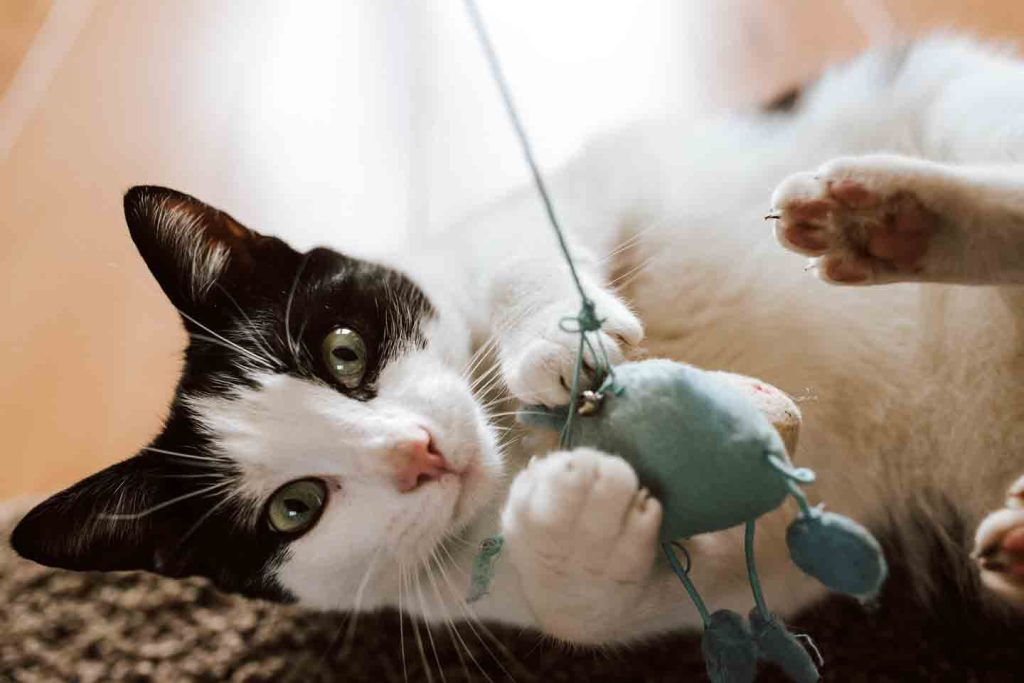
4. Builds Trust and Reduces Stress
When positive reinforcement forms the core of training, it works wonders in reducing stress and anxiety in cats. Unlike harsh methods that can intimidate or frighten animals, positive training creates a supportive atmosphere. A cat that perceives training sessions as a set of fun, rewarding experiences is more likely to feel secure and trustful towards their owner, ultimately leading to better cooperation.
This trust-building not only aids in future training but also contributes to a cat’s overall demeanor at home. A less stressed cat is typically healthier, with benefits such as fewer behavioral issues, a stronger immune response, and the cultivation of a safer and more welcoming environment. This underscores just how critical the use of positive methodology is to both the physical and emotional health of pets.
3. Encourages Consistent Behavior
One of the significant advantages of positive training is its ability to establish consistent behaviors in cats. Moving away from fear tactics or punishment, which can lead to erratic and unpredictable responses, this method relies on rewards to reinforce desirable behaviors over time.
By rewarding actions like using a litter box, scratching designations, or following simple commands, cats are encouraged to repeat these behaviors. Over time, these actions become second nature to them, integrated into their daily routines. This consistency also paves the way for owners to introduce new commands and tricks. As their feline companions grow accustomed to this approach, learning and adapting to new behaviors become progressively smoother.
2. Strengthens the Human-Animal Bond
Perhaps one of the most rewarding outcomes of positive training is the strengthened bond between owners and their cats. Engaging through a reward-based system transforms training sessions from a mundane task to important moments of connection.
Every time an owner acknowledges a cat’s good behavior with a reward, an emotional tether deepens. As trust and understanding flourish due to these positive interactions, cats not only become more affectionate but also more attuned and responsive to their human counterparts. This strengthened bond is crucial in fostering a harmonious environment at home and making everyday interactions more enjoyable.
1. Promotes Overall Well-Being
At the pinnacle of benefits is the positive reinforcement’s ability to significantly enhance a cat’s overall well-being. Beyond just behavior, it influences both the mental and physical health of felines. Training sessions, when coupled with positive approaches, provide ample mental stimulation, which is essential to preventing boredom and the myriad of behavioral issues that accompany it.
The rewards used in training also serve as tools for promoting healthy habits. For example, treats can be used strategically to motivate better eating habits or encourage increased physical activity during play. In essence, the widespread effects of positive training expand through various aspects of a cat’s life, cultivating a happier and healthier pet.
The Multifaceted Benefits
It is crucial to underscore that while cats may have a reputation for being difficult to train, this often stems from a misunderstanding of their motivations and emotional needs. By framing training through the lens of positive reinforcement, owners can achieve remarkable progress in educating their feline companions. This approach leverages the natural curiosity and intelligence of cats, turning training into an engaging and rewarding process.
In conclusion, the importance of positive training in educating cats cannot be overstated. By fostering communication, building trust, encouraging consistent behavior, strengthening the bond, and promoting overall well-being, positive reinforcement emerges as a multifaceted approach that significantly enhances the lives of our feline friends. For those who embark on this journey, the payoff is not only a well-behaved cat but also a deep and enduring connection that enriches both the lives of pets and their human families.
| Category | Description |
|---|---|
| Behavioral Development | Positive training methods encourage trust and engagement between cats and their owners, fostering a sense of security and belonging. |
| Stress Reduction | Utilizing positive reinforcement reduces anxiety and fear during training sessions, allowing cats to learn in a calm environment. |
| Cognitive Skills Enhancement | Engaging in positive training promotes mental stimulation, which is essential for a cat’s cognitive health, helping them remain active and alert. |
| Socialization Skills | Positive training enhances socialization, encouraging cats to interact appropriately with humans and other pets, reducing aggressive or fearful behaviors. |
Frequently Asked Questions about Positive Training in Cat Education
What is positive training for cats, and how does it differ from traditional methods?
Positive training for cats is a technique that uses reward-based strategies to encourage desirable behaviors. Unlike traditional methods that may rely on punishment, positive training focuses on rewarding cats for correct actions with treats, praise, or playtime. This approach is not only more humane but also highly effective as it builds a stronger bond between the cat and the owner, fostering a loving and trusting relationship.
Why is positive training important for cats?
Positive training is crucial as it helps in shaping a cat’s behavior without instilling fear or anxiety. It creates a safe learning environment where the cat can explore and understand what is expected of them at their own pace. Furthermore, positive training addresses behavior issues by reinforcing the behaviors you want to see, thereby reducing the likelihood of problematic behaviors manifesting.
Can all cats benefit from positive training?
Yes, all cats, regardless of age, breed, or past experiences, can benefit from positive training. However, it’s important to start training while the cat is comfortable and not stressed. Each cat is unique, so it may take patience and experimentation to determine the most effective rewards for them. Younger cats might pick up training faster, but older cats can also learn new tricks with consistency and the right approach.
What are some common behaviors that can be improved through positive training?
Positive training can help improve a wide range of behaviors, including litter box usage, scratching on designated areas, and social interactions. It can also be used to teach cats fun and useful tricks, like sitting on command or even using a cat carrier voluntarily, which can reduce stress during travel.
How can I start positive training with my cat?
To start positive training, first identify what motivates your cat—whether it’s a favorite treat, toy, or playtime. Use these motivators to reinforce desired behaviors. Begin with simple commands and ensure that training sessions are short and enjoyable. Consistency is key, so practice regularly and always reward your cat immediately after they perform the desired behavior. Over time, your cat will learn to associate good behavior with positive outcomes.
Conclusion: Harnessing the Power of Positive Training for Cats
In the realm of pet care, the significance of positive training for cats cannot be overstated. Through the lens of compassion and understanding, positive training empowers cat owners to foster a bond that is both profound and respectful of feline autonomy.
The Five Pillars of Positive Training
At the heart of this approach lies understanding feline behavior. By recognizing their natural instincts and tendencies, owners can tailor their training methods to resonate with their cats’ innate behaviors. Coupled with this is the use of rewards. Whether through treats, affection, or play, reinforcement of desired behavior nurtures a cycle of positive interaction.
- Understanding Feline Behavior: Enables owners to respect and channel cats’ instincts productively.
- Use of Rewards: Reinforces positive actions with immediate gratifying responses.
- Patience and Consistency: Essential traits that build an environment where a cat feels safe and understood.
- Minimizing Negative Reinforcement: Redirects misguided actions without fear, focusing instead on alternate behaviors.
- Building Trust: Establishes a deep connection that enhances harmonious living.
By integrating these principles, cat owners not only improve the behavioral dynamics with their pets but also contribute to their overall well-being. The journey of positive training can indeed unveil a world of possibilities, enriching the human-feline relationship.
As we explore these methodologies, it becomes evident that the most cherished outcome of positive training is the nurturing of a mutually satisfying relationship between humans and their feline companions. It invites pet owners to delve deeper into the fascinating world of cats, fostering a culture of learning, empathy, and continuous discovery.