
Balanced Nutrition Crucial for Your Pets Health and Wellbeing
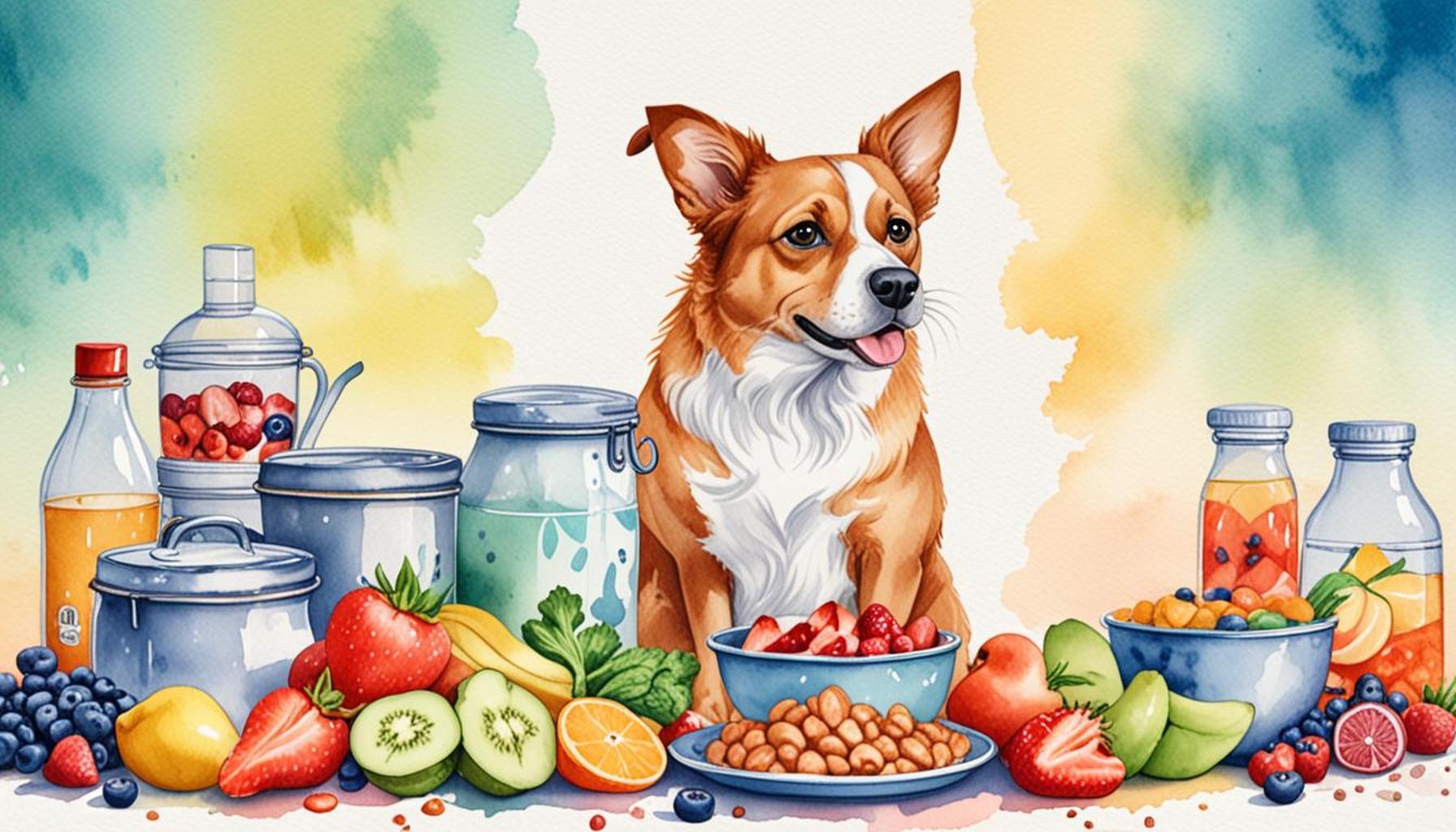
The Vital Role of Nutrition in Pet Health
When it comes to our pets, their health and wellbeing hinge significantly on their diet. Providing balanced nutrition is not merely a recommendation; it is essential for preventing numerous health issues. As pet owners, understanding the right nutritional components can make all the difference in enhancing the quality and longevity of our furry companions’ lives.
Maintaining a Healthy Weight: A Critical Component
One of the key aspects of balanced nutrition is maintaining a healthy weight. Obesity in pets is a growing concern and can lead to a range of health problems such as diabetes, joint issues, and heart disease. Feeding your pet the right amount of food that is nutrient-dense yet appropriate for their size and breed is critical.
Supporting Immune Function
Balanced nutrition plays a vital role in supporting immune function. A diet rich in antioxidants, vitamins, and minerals can help bolster your pet’s immunity, protecting them against illnesses and infections. Ingredients like blueberries, spinach, and sweet potatoes are often recommended to enhance this aspect of pet health.
Promoting Healthy Skin and Coat
A shiny coat is not merely a cosmetic concern; it reflects overall health. Omega-3 and Omega-6 fatty acids are essential in keeping your pet’s skin healthy and coat glossy. Fish oil and flaxseed are excellent sources of these essential nutrients.
Ensuring Proper Digestion
Proper digestion is another crucial component of balanced nutrition. High-quality fiber supports the digestive system, preventing issues like constipation and aiding nutrient absorption. Ingredients such as brown rice and pumpkin can be beneficial for digestive health.

Boosting Overall Energy Levels
Finally, a well-rounded diet plays a significant role in boosting overall energy levels. Carbohydrates from sources like sweet potatoes and grains provide the energy cats and dogs need to stay active, while proteins support muscle development and repair.
With so much riding on what we feed our pets, delving into these essential aspects of nutrition can aid in optimizing your pet’s diet, improving not only their health but also enhancing their happiness and longevity.
The Importance of Balanced Nutrition for Pet Health
Ensuring our pets thrive in health and happiness begins with a foundation of balanced nutrition. Much like humans, our furry companions require a precise mix of nutrients to promote their overall well-being, impact their energy levels, and extend their lifespan. Understanding the reasons behind this necessity can empower pet owners to make informed nutritional choices. Let’s delve into the top five reasons why balanced nutrition is so crucial, ranking them from least to most significant.
5. Weight Management
Proper weight management is a cornerstone of your pet’s health. Obesity is a rampant issue that has dire consequences, contributing to diabetes, joint strain, and even heart disease. A balanced diet is instrumental in keeping your pet’s weight in check by providing the right amount of calories and nutrients tailored to match their specific life stage and activity level.
- Obesity can significantly reduce your pet’s lifespan, cutting down their amount of years spent with you.
- Routine assessments with your veterinarian can catch weight gain early, allowing for timely dietary adjustments.
- Choosing age and activity-appropriate foods is fundamental in preventing unnecessary weight gain.
By offering portion-controlled meals and staying vigilant with dietary modifications, pet owners can ensure their companions maintain an ideal weight, promoting longevity and vitality.
4. Improved Digestive Health
A balanced diet markedly benefits your pet’s digestive health. Animals require a specific blend of fibers, proteins, fats, vitamins, and minerals to maintain smooth gastrointestinal operations, similar to humans. Foods made with high-quality ingredients can enhance digestion, optimize nutrient absorption, and reduce gastrointestinal disturbances.
To ensure a steady digestive system, your pet’s diet should include:
- High-quality proteins for robust muscle development and repair.
- Essential fatty acids that support skin and coat health, alongside metabolic functions.
- Digestible fibers, which are vital for promoting gut health and regular bowel movements.
A healthy digestive system not only betters your pet’s physical state but can also lead to elevated energy levels, resulting in a more active and engaging disposition.
3. Enhanced Immune Function
A capable immune system is essential for warding off illnesses, and a balanced diet plays a critical role in reinforcing this defense mechanism. Key nutrients such as vitamins, minerals, and antioxidants are indispensable in enhancing your pet’s immunological responses.
Vital vitamins and minerals that bolster immune health include:
- Vitamin E, which acts as a powerful antioxidant protecting cells.
- Vitamin C, known for its role in tissue repair and the neutralization of free radicals.
- Zinc, crucial for proper immune cell function and skin health.
- Selenium, which prevents cellular damage and supports thyroid function.
By incorporating a diet that is rich in these nutrients, pet owners can empower their animals’ immune systems to combat illnesses, markedly improving their chances of a longer and healthier life.
2. Healthy Skin and Coat
One of the immediate reflections of a pet’s overall health is the condition of their skin and coat. A diet rich in fatty acids such as Omega-3 and Omega-6 plays a vital role in maintaining a lustrous coat and preventing skin disorders.
The striking benefits provided by these nutrients include:
- A reduction in shedding and a noticeable improvement in coat luster.
- Decreased episodes of itching and skin irritation, promoting comfort.
- An overall enhancement in skin vitality, minimizing conditions like dryness and flakiness.
Healthy skin and a shiny coat not only boost a pet’s aesthetic value but also significantly enhance their comfort level, reducing the prevalence of complications such as hot spots and allergic reactions.
1. Overall Health and Longevity
At the heart of pet nutrition lies its most substantial impact: overall health and longevity. The right nutritional choices support every bodily function, from maintaining organ health to boosting energy levels, thereby influencing your pet’s quality of life. A consistent nutritional plan with the correct balance of nutrients can stave off chronic illnesses and enhance life expectancy markedly.
Incorporate these essentials to promote optimal health:
- Complete proteins that ensure efficient tissue repair and cellular function.
- Whole grains for a steady release of energy, keeping pets active and alert.
- A variety of vegetables, supplying a comprehensive array of vitamins and minerals.
With the proper guidance and dietary decisions, pet owners can vastly improve the lives of their companions, encouraging longer, healthier lifespans. Consulting with a veterinarian to tailor the best nutrition plan based on your pet’s unique needs is a crucial step in achieving this goal.
Conclusion
It is unequivocally clear that balanced nutrition holds enormous importance in the lives of our pets. From weight regulation to bolstering the immune system, every facet of their health is intricately tied to their diet. Armed with this knowledge, pet owners can make conscious choices that dramatically affect the well-being of their beloved companions. By embracing these five key elements, informed individuals can transform each meal into a step towards a healthier, more fulfilling life for their pets. As the guardians of their health, understanding and implementing a balanced diet is a rewarding commitment that extends the companionship and happiness shared with our furry friends.
| Category | Description |
|---|---|
| Weight Management | A balanced diet helps maintain an optimal weight for pets, which can prevent obesity-related diseases. |
| Improved Digestive Health | High-quality ingredients provide essential fibers that aid in digestion and prevent gastrointestinal issues. |
| Enhanced Energy Levels | A nutritious diet equips pets with the necessary energy for daily activities, improving overall vitality. |
| Stronger Immunity | Balanced nutrition supports immune function, allowing animals to fight infections and health challenges more effectively. |
Proper nutrition is not just about providing food but creating a holistic approach to animal health. Weight management through balanced diets can significantly reduce the risk of conditions such as diabetes and heart disease. According to veterinary studies, pets that maintain a healthy weight often enjoy a better quality of life and have a longer lifespan.Moreover, improved digestive health plays a vital role in the overall well-being of pets. When fiber-rich foods are included in their diet, pets experience fewer gastrointestinal disorders, leading to less discomfort and more enjoyable eating experiences. This means less frequent vet visits and happier pets.Additionally, enhanced energy levels are noticeable when animals are fed a nutritious diet. This energy is essential for not only physical activities but also for mental engagement, which is crucial for pets, particularly those who require stimulation throughout the day. A healthy diet can increase their enthusiasm for play and exercise, contributing to their happiness.Lastly, a strong immune system is one of the most critical benefits of balanced nutrition. Just as humans rely on a good diet to ward off illness, so do pets. Essential vitamins, minerals, and antioxidants in their food can fortify their defenses against infections and diseases. This aspect of pet nutrition underscores the importance of choosing the right pet food, as it directly correlates with their ability to maintain good health throughout their life stages.
Frequently Asked Questions about Balanced Nutrition for Pets
What exactly is balanced nutrition for pets?
Balanced nutrition for pets involves providing a diet that meets all their nutritional needs without excesses or deficiencies. It includes the right mix of proteins, carbohydrates, fats, vitamins, and minerals necessary for your pet’s optimal health and vitality. Each species, and even breeds within a species, can have varying nutritional requirements, which means what is balanced for one pet might not be so for another. Consulting with a vet is recommended to tailor a diet to your pet’s specific needs.
How can an unbalanced diet affect my pet’s health?
An unbalanced diet can have several detrimental effects on a pet’s health. Pets may suffer from obesity, malnutrition, or chronic diseases such as diabetes or heart disease if their diet lacks balance. In growing pets, inadequate nutrition can hinder development and immune function. The cornerstone of preventing these conditions is ensuring a diet that provides all essential nutrients in the right proportions.
Are commercial pet foods balanced?
Most commercial pet foods are formulated to meet the basic nutritional guidelines set by regulatory bodies such as the AAFCO (Association of American Feed Control Officials). However, it’s important to choose formulas appropriate for your pet’s life stage and health status. Not all pet foods are created equal, and some may contain fillers and low-quality ingredients that don’t contribute positively to your pet’s health. Opt for known brands with a track record of quality.
Can I prepare homemade food for my pet?
Homemade pet food can be an option, but it requires careful planning to ensure the diet is balanced. A common mistake is feeding an improper ratio of nutrients, which can lead to deficiencies or over-supplementation. Consulting with a veterinary nutritionist can help guide you in creating recipes that are both healthy and balanced for your pet’s needs. Remember, what’s healthy for humans isn’t necessarily safe for animals.
Conclusion: Ensuring a Healthy Future for Pets
In conclusion, the importance of a balanced diet for pets cannot be overstated. As we have explored throughout this article, nutrition plays a pivotal role in ensuring the overall health and well-being of our furry companions. Pet owners must recognize the responsibility they hold in providing a diet that meets their pets’ specific needs, as this directly impacts their longevity and quality of life.
First, understanding the nutritional requirements of pets is crucial. This involves considering factors such as age, size, breed, and activity level, which collectively dictate their dietary needs. A balanced diet rich in proteins, carbohydrates, fats, vitamins, and minerals is essential to support their growth, energy levels, and immune system. Investing time in learning about these requirements ensures that pets are not only surviving but thriving.
Furthermore, developing a diet tailored to a pet’s individual needs also prevents common health issues. Conditions such as obesity, diabetes, and dental disease can often be mitigated, or even avoided, with appropriate nutritional management. It is evident that prevention via nutrition is far more effective and less costly than treating these ailments post-development.
The role of veterinarians and pet nutritionists is also highlighted as integral in crafting diets that align with specific health goals. Their expertise offers valuable insights into the complexities of pet nutrition, guiding owners in making informed decisions about premium and specialized diets.
Ultimately, a balanced diet is foundational to a pet’s enjoyment of a healthy, active life. By prioritizing nutrition, pet owners can foster a future where their pets are healthier and happier. As understanding and approaches continue to evolve, continuing education and vigilance are key in adapting to new findings and ensuring the well-being of beloved pets.