The Importance of Pet Socialization Enrich Your Pets Life Today
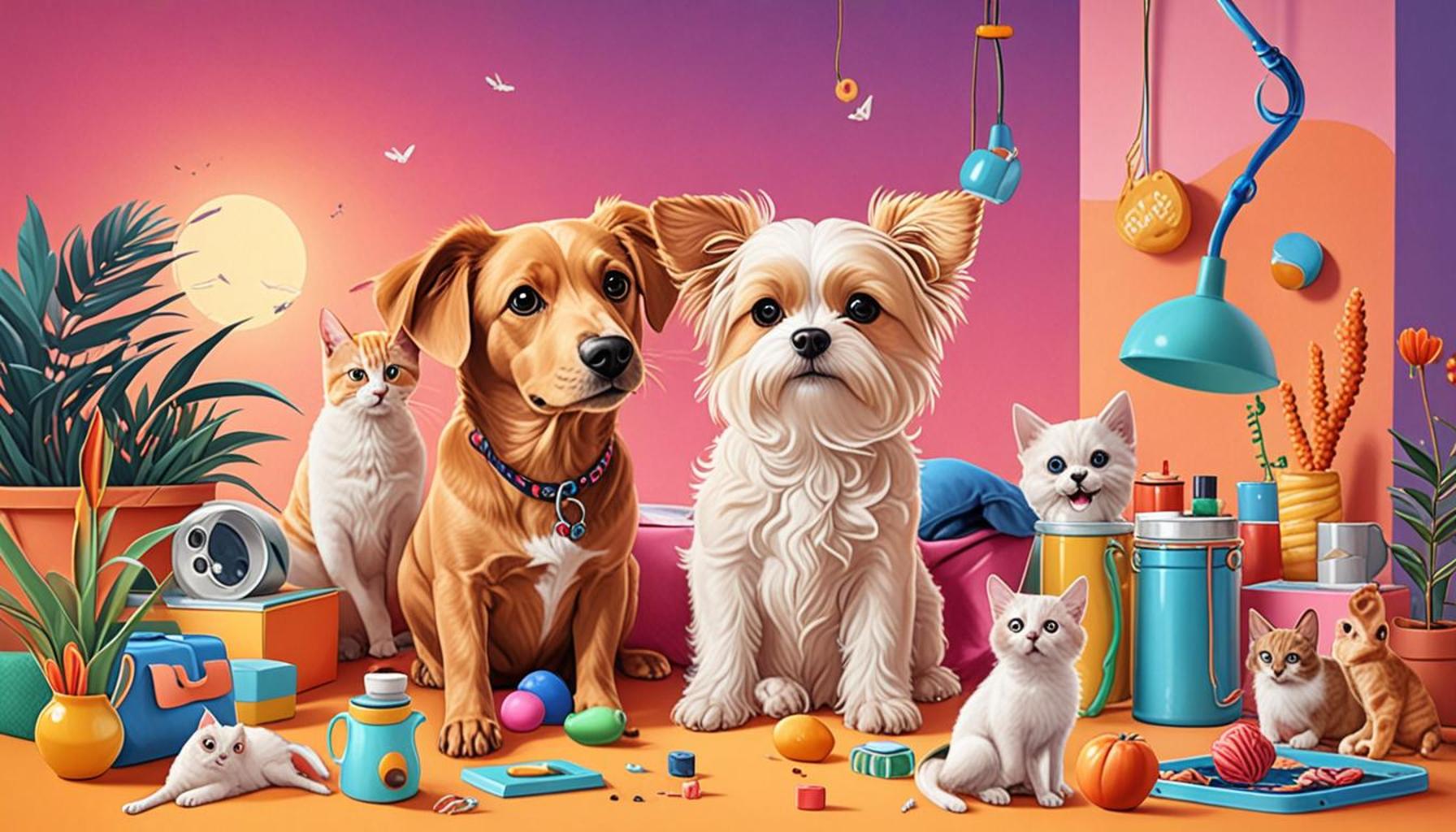
The Importance of Pet Socialization
Socialization is a fundamental aspect of your pet’s life that profoundly impacts their behavior, happiness, and overall well-being. Through social interaction, pets learn crucial skills that shape their ability to cope with the world around them. Socially engaged pets often exhibit greater confidence, adaptability, and reduced anxiety, making for a more harmonious household.
The Benefits of Socialization
One of the top reasons socialization is essential is the boost it gives to a pet’s confidence. Socially exposed pets are more likely to explore new environments without fear. Additionally, these pets adapt more easily to changes in their daily routine, helping create a more stress-free life for both the pet and the owner.
Let’s not overlook the significant impact socialization has on preventing behavioral problems. Pets that miss out on early and consistent social interactions can develop issues ranging from aggression to severe fearfulness. These behaviors can be challenging to manage and might lead to distress for both the pet and the owner.
Key Aspects of Effective Socialization
- Varied Environments: Introducing your pet to different settings helps them become more adaptable. Try taking your dog on varied walking routes or let your cat explore different areas of your home under supervision.
- Interaction with Other Animals: Creating positive experiences with other animals can prevent aggressive tendencies and build friendly behaviors. Consider setting up safe playdates or supervised visits with other pets.
- Exposure to Different People: Pets should interact with a diverse range of people. This includes varying ages, genders, and appearances, which helps reduce fear of strangers.
The Transformative Power of Socialization
By incorporating these practices, pet owners can vastly improve the life of their pets. Socialized pets not only lead happier, healthier lives but also enrich the lives of their human companions. In this article, we will delve into the top 5 reasons why socialization is vital and how it can act as a transformative force for your pet’s development. Ensuring your pet is well-socialized truly unlocks the door to a fulfilling and mutually beneficial relationship.
Top 5: The Importance of Socialization in the Lives of Pets
In the chase for an enriching life for our beloved pets, socialization stands as a pivotal cornerstone. Socialization isn’t merely an auxiliary choice; it’s an indispensable part of nurturing pets to ensure their well-being and holistic development. With a keen understanding of the core benefits, pet owners can cultivate a deeply bonded relationship with their pets, crafting an environment conducive to a well-adjusted and happy companion. Here are the top five reasons why socialization is essential for our furry friends.
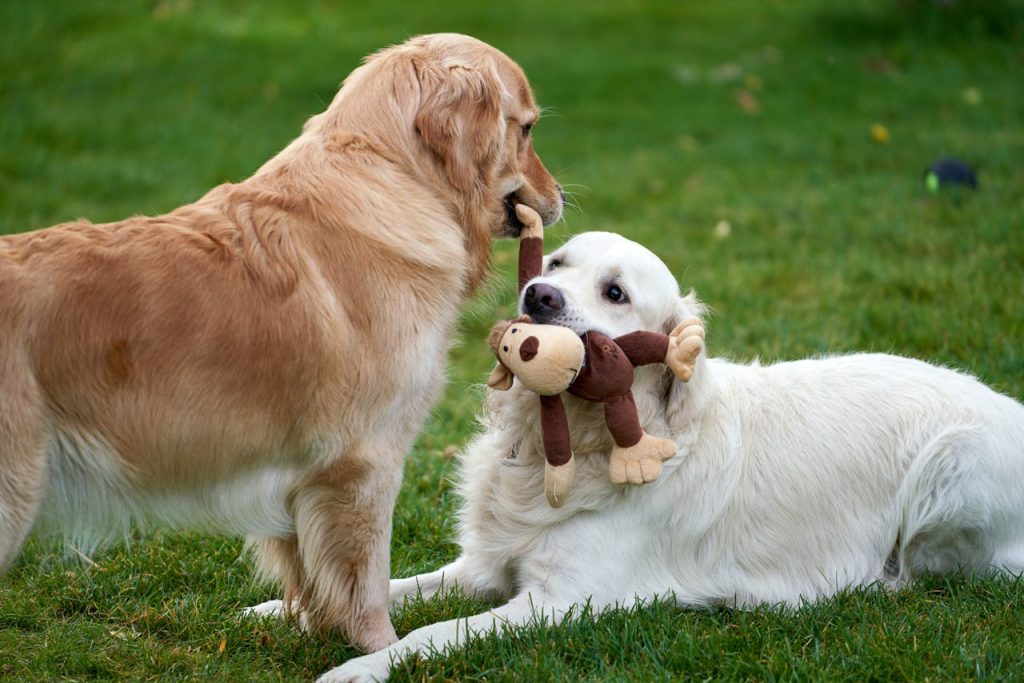
5. Preventing Behavioral Issues
Socialization acts as a preemptive strike against behavioral problems that commonly plague under-socialized pets. Pets, especially dogs, that remain confined to a monotonous routine without exposure to different environments, people, and fellow animals, are prone to develop profound fears and anxieties. Such tendencies frequently manifest as undesirable and sometimes challenging behaviors.
Common behavioral issues arising from inadequate socialization include:
- Excessive barking – often rooted in insecurity or territoriality, making peaceful environments disruptive.
- Aggression towards humans or animals – which may be triggered by fear or unfamiliarity.
- Destructive behaviors – such as chewing or digging, often a sign of boredom or stress.
- Separation anxiety – leading to distress when the pet is left alone.
Through consistent exposure to diverse situations early in life, pets develop a stable temperament, offering a more harmonious existence alongside their human companions.
4. Enhancing Confidence
Confidence is a trait much admired in both humans and animals, and socialization dramatically fosters it in pets. As pets immerse themselves in new experiences—be it meeting different people, hearing novel sounds, or exploring unfamiliar surroundings—they progressively learn to navigate the world with poise and assurance. This confidence becomes a bulwark against life’s uncertainties.
Take, for instance, a well-socialized dog that graces new experiences with excitement as opposed to trepidation. Whether faced with the sterile environment of a veterinary clinic or the sunny chaos of a playground full of children, a confident pet embraces these situations positively, which significantly contributes to their mental health and strengthens their bond with their caretakers.
3. Promoting Emotional Health
Paralleling human emotional dynamics, pets too are susceptible to stress, anxiety, and even depression. Socialization plays a frontline role in advancing their emotional health. Interaction with other animals and people provides the critical building blocks for secure attachments and a nurturing sense of community and belonging.
Research shows that regularly socialized pets tend to exhibit:
- Lower levels of anxiety – making transitions and new experiences less stressful.
- Reduced instances of aggression – as socialized pets are more accustomed to sharing their space peacefully.
- Increased happiness and playfulness – evident in their lively engagement and zest for life.
The social engagements not only bolster emotional connections but also provide mental stimulation. Participating in play with others is not just fun, but also fortifies physical health and social cohesiveness, essential components of a well-rounded life.
2. Building Stronger Bond with Owners
While the merits of socialization are undeniably beneficial to pets, they equally enhance the human-animal bond that owners experience. A well-socialized pet’s transformation through varied interactions fosters unwavering trust and reliance on the owner, seeing them as a steadfast pillar of safety and guidance in navigating complex situations.
Moreover, the training and commands that often accompany socialization efforts become more intuitive and successful. A pet that is receptive and responsive to cues not only reflects understanding but also ensures a more enjoyable dynamic. For owners, this translates into a fulfilling relationship, seamlessly combining love and discipline in their mutual interactions.
1. Improving Quality of Life
At the heart of why socialization is a matter of utmost importance lies the ultimate purpose: enhancing the quality of life. A pet that is well-socialized usually embodies healthiness, happiness, and adaptability. These qualities not only perfect the pet’s daily experiences but also enrich the owner’s life, imbuing their role with pride and purpose.
The benefits that improved life quality through socialization encompasses include:
- Increased outdoor activity frequency – providing opportunities like walks in nature and thrilling playdates.
- Opportunities for enrichment – where various stimulating activities challenge and engage pets meaningfully.
- Greater stability – ensuring seamless integration into new environments and social circles.
Conclusively, socialization transcends the luxury of choice, standing firm as a fundamental necessity for pet owners aiming for enriched lives for their companions. By dedicating energy and time to the socialization of pets, owners nurture happier, healthier, and more contented lives, investing in a legacy of joy and companionship.
Socialization plays a pivotal role in the lives of pets, influencing not only their behavior but also their overall health and happiness. This crucial aspect can be broken down into several categories that illustrate the multifaceted benefits of proper socialization.
| Category | Description |
|---|---|
| Emotional Well-being | Socialization helps pets develop a strong emotional foundation, reducing anxiety and fear in unfamiliar situations. |
| Improved Behavior | Interaction with other animals and humans fosters positive behaviors, encouraging good manners and reducing aggression. |
| Health Benefits | Socialization can contribute to better physical health, as engaged pets are more likely to be active, thus preventing obesity-related issues. |
| Stronger Bonds | Regular social interactions promote deep bonds between pets and their owners, enhancing mutual trust and affection. |
The significance of socialization extends beyond mere companionship. It shapes the interactions pets have with their environment, creating well-rounded animals capable of navigating both the familiar and the unknown. Emotional stability attained through proper social settings leads to confident pets, making outings and travel less stressful for both the animal and pet owner.Moreover, ensuring a balanced mix of social experiences is crucial. Not only should pets engage with other animals, but they should also have varied interactions with humans of different ages, backgrounds, and energy levels. This diversity in social encounters prepares animals for all walks of life, reinforcing their adaptability.Health implications cannot be overlooked either; pets that socialize tend to be more active, engaging in play and physical exertion which aids in maintaining a healthy weight. Coupled with reduced stress levels, this leads to a healthier lifestyle overall.In essence, the importance of socialization for pets goes beyond simple companionship. It is a fundamental aspect that nurtures emotional health, encourages good behavior, promotes physical well-being, and fosters strong relationships, all of which contribute to a happier and more fulfilling life for pets.
Frequently Asked Questions About the Importance of Socialization in Pets’ Lives
Why is socialization important for pets?
Socialization is crucial for pets because it helps them develop a well-rounded demeanor, making them more comfortable in diverse environments. A well-socialized pet is often less stressed and anxious, as they are accustomed to different people, animals, and surroundings. This process enables them to adapt to their human-centric society smoothly. Moreover, studies have shown that socialized animals exhibit fewer behavioral problems and enjoy enhanced mental stimulation, contributing to their overall well-being.
At what age should I begin socializing my pet?
The ideal time to start socializing your pet is during their early development phases. For puppies, the prime window is between 3 and 14 weeks of age, while kittens benefit most from socialization between 2 and 9 weeks of age. However, it’s important to remember that it’s never too late to start. Older animals can also adapt to new social experiences, although the process might require more patience and consistency. The key is to introduce them gradually and positively to new experiences, always ensuring they feel safe.
What are some effective methods for socializing pets?
There are several approaches to socializing pets effectively. Regular playdates with other animals can offer great opportunities for interaction. Taking your pet to different environments like parks, cafes, or pet-friendly events can expose them to a variety of stimuli. It’s important to encourage positive experiences by rewarding good behavior with treats or praise. Obedience classes provide structured settings for learning social cues and practicing appropriate behaviors with other animals. Additionally, consistent exposure to a variety of people, from children to adults, can enrich their social skills.
Can lack of socialization lead to behavioral issues in pets?
Yes, inadequate socialization can lead to significant behavioral issues in pets. Animals that miss this critical developmental phase might become fearful, aggressive, or overly shy around unfamiliar people or animals. They may also struggle with separation anxiety or react poorly to routine changes. A lack of socialization can severely limit a pet’s quality of life and their ability to enjoy new experiences. Therefore, investing time in your pet’s socialization not only assures their happiness but also fosters a mutually rewarding relationship with their human companions.
How can I tell if my pet is well-socialized?
A well-socialized pet typically displays confidence, curiosity, and a relaxed demeanor in new situations. They should be comfortable meeting strangers and engaging positively with other animals. In addition, well-socialized pets are adaptable and recover quickly from minor disturbances. Observing your pet’s body language is key—a wagging tail, relaxed posture, and playful attitude usually indicate good social habits. If you notice any signs of distress or aggression, it may be beneficial to revisit some socialization techniques or consult a professional for guidance.
Conclusion
In the vibrant tapestry of domestic life, the importance of socialization in the lives of pets cannot be understated. As we’ve explored, the benefits are far-reaching, impacting both the pets and their human companions. Socialization is not merely a luxury but a fundamental component of a pet’s holistic well-being. Through interaction, pets develop essential communication skills, reducing anxiety and fostering a sense of security. This enriched environment helps to nurture their mental and physical health, ultimately leading to a happier existence.
Furthermore, as we’ve discussed, the role of socialization expands beyond individual well-being. It aids in preventing behavioral issues, which are often the result of isolation or lack of exposure to different environments. Integrating pets into the bustling human world ensures they become well-adjusted members of the household. Proper socialization can greatly enhance a pet’s adaptability to new experiences and changes, a vital aspect in today’s dynamic living conditions.
Moreover, as research continues to unveil, pets equipped with social skills contribute positively to their communities, promoting empathy, companionship, and the reduction of owner stress levels. The ripple effect of a well-socialized pet can thus enhance human-animal bonds and community interactions.
In conclusion, the imperative for pet owners is clear: fostering environments that encourage socialization is essential. By prioritizing social development, we not only enrich the lives of our pets but, in turn, elevate our own human experiences. As we continue to embrace our pets as family members, understanding and implementing strategic socialization practices will be a beacon for healthier and more fulfilling coexistence. The journey of socializing our pets is not only a responsibility but a rewarding exploration of mutual growth.