Creating a Safe and Effective Training Environment for Your Pet
Creating an Effective Space for Pet Training
Training your pet is an essential part of building a strong bond and ensuring good behavior. However, the environment in which this training occurs plays a crucial role in its effectiveness. A safe and purposeful training space can profoundly impact your pet’s ability to learn, absorb commands, and respond positively to your instruction.
Key Elements of an Effective Training Environment
When setting up your training environment, consider several key elements that can enhance your pet’s learning experience:
- Location: Choose a quiet space with minimal distractions, such as a dedicated corner of your home or a secluded area in your yard. Avoid busy parks during peak hours or noisy rooms within your house, as these can create stress and divert your pet’s attention.
- Safety: Ensure the area is secure and free from hazards that might pose a risk to your pet. For instance, check for loose wires, small objects that could be swallowed, or toxic plants. A fenced backyard can also provide a safe space for loose-leash training.
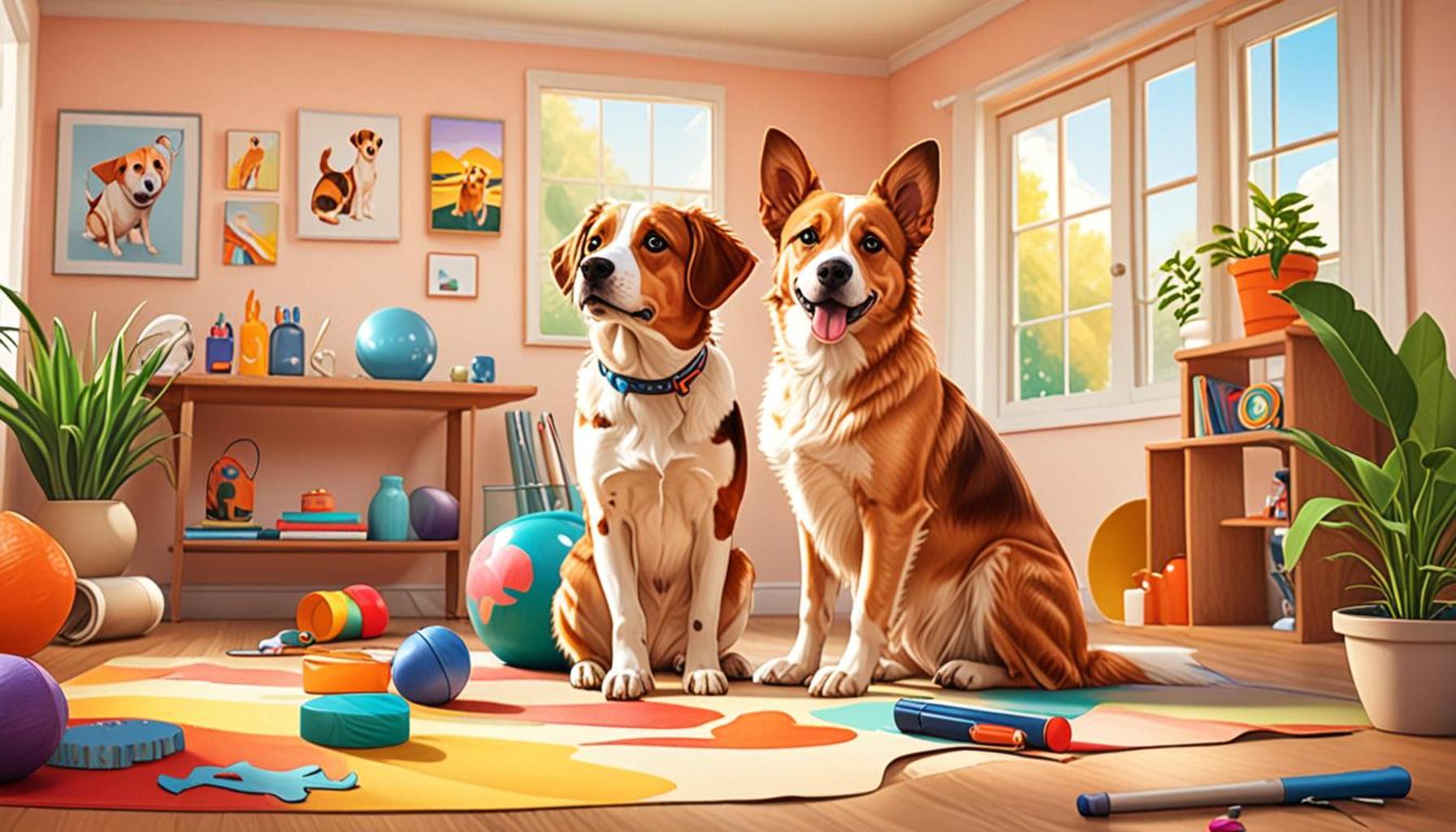
- Comfort: Create a space that is comfortable for both you and your pet. This could involve laying out a soft mat for your pet to sit on or using a chair for yourself. Being comfortable helps promote relaxation and focus, allowing for a more productive training session.
Essential Tools and Resources
In addition to the physical environment, having the right tools can significantly enhance the training process. Think about integrating the following items:
- Training Gear: Items such as collars, leashes, and clickers are not just accessories; they are vital tools in guiding your pet’s behavior. For example, a no-pull harness can aid in leash training sessions, helping your dog feel more secure and in control.
- Positive Reinforcements: Rewarding good behavior is crucial for effective training. Treats, toys, and praise play significant roles in encouraging your pet to repeat desired actions. Using small, high-value treats can make a big difference, especially in the early stages of training.
- Clear Commands: Consistency in verbal cues and hand signals is key. Ensure that you are clear and concise with your commands, using the same words and gestures each time. This helps your pet associate specific actions with commands much faster.
The Impact of a Thoughtful Training Environment
By establishing the right training environment, you are not only promoting safety but also enhancing the potential for successful learning experiences. A thoughtful setup can make training not just effective but enjoyable for both you and your pet. For example, many trainers emphasize the importance of a calm atmosphere, suggesting that a tranquil setting helps echo a similar state in your pet, leading to better focus and eagerness to learn.
Understanding these foundational elements will guide you on the journey to developing a well-behaved and happy pet. The investment of time and effort in creating the ideal training environment pays off with a deepened bond and a clearer understanding between you and your furry friend. With patience and perseverance, you can look forward to a rewarding experience that strengthens your relationship.
DISCOVER MORE: Click here to learn how to enhance your pet’s quality of life
Designing Your Pet’s Ideal Training Space
Creating an environment that is both safe and effective for pet training can significantly influence your pet’s responsiveness to commands and their overall learning curve. The setting not only shapes the training experience but also affects how your pet perceives the training process itself. To maximize your training outcomes, it’s essential to think strategically about various aspects of the environment.
Choosing the Right Area
Location is one of the first considerations when creating an effective training space for your pet. A designated area that minimizes environmental distractions is critical. Think of it as creating a learning zone where your pet can focus solely on you and the commands being taught. Here are some tips to guide your selection:
- Indoor vs. Outdoor: Indoor training sessions can be conducted in quiet rooms away from bustling activities of the household, helping your pet tune into your voice. Conversely, outdoor spaces should ideally be enclosed to prevent distractions from other animals or people.
- Surface Matters: A flat and non-slippery surface is vital for both safety and comfort. Consider training on grass in your yard or using training mats indoors to ensure your pet doesn’t slip while learning new commands.
- Familiarity: Utilizing spaces your pet already knows can ease anxiety and increase focus. By training in familiar territory, like a regularly visited park or your living room, your pet feels more at home and less overwhelmed.
Establishing a Safe Environment
Safe training environments are paramount for effective learning. Ensuring that your pet’s training location is clear of hazards allows both you and your pet to focus on the task at hand, rather than worrying about potential risks. Here are essential safety tips to keep in mind:
- Remove Hazards: Look for any items that could pose a choking hazard or toxic plants that pets may chew on. Ensure that the area is clean and free from sharp objects to prevent any injuries.
- Secure Boundaries: If training outdoors, use fences or gates to keep your pet contained. This not only keeps them from wandering off but also allows you to focus on the training without worrying about their safety.
- Supervised Play: When incorporating play into training, always supervise to prevent any roughhousing or mishaps that could occur if they get too excited.
Creating a Positive Atmosphere
Aside from physical safety, fostering a positive atmosphere is essential for effective pet training. Animals can pick up on their owner’s mood; hence, maintaining a calm and encouraging presence can significantly impact your pet’s learning process. Here are some strategies to create a supportive environment:
- Patience is Key: Training takes time. Approach each session with a patient attitude to foster a positive experience. If your pet struggles with certain commands, use them as learning opportunities rather than frustrations.
- Celebrate Small Wins: Acknowledge and reward even minor achievements during training. This reinforcement boosts your pet’s confidence and motivation, making them more willing to engage.
- Establish a Routine: Consistency in training times and commands creates a sense of security for your pet. Establish a daily routine to reinforce learning and build anticipatory excitement for training sessions.
By following these guidelines, you can create a training environment that not only prioritizes safety but also enhances your pet’s ability to learn and respond. Investing in a structured and supportive training space pays dividends in the development of a well-trained and happy pet.
| Category | Details |
|---|---|
| Training Setup | Establishing a designated training area helps minimize distractions and sharpens focus for both the pet and the trainer. |
| Positive Reinforcement | Utilizing rewards not only encourages learning but also fosters a strong bond between pet and owner. |
| Safety Measures | Creating a safe environment is essential to prevent accidents and ensure a positive training experience. |
| Consistency | Maintaining a consistent schedule empowers pets to understand expectations and improves their learning pace. |
When designing a training environment for your pet, consider the elements that foster a conducive atmosphere. A designated training setup can effectively minimize distractions, leading to improved focus and learning. By incorporating positive reinforcement techniques, such as treats or praise, both communication and trust grow stronger, enhancing the overall training process.Moreover, implementing vital safety measures ensures that your pet can learn without the risk of accidents, making the environment safer for exploration and growth. Consistency also plays a crucial role; by adhering to a structured schedule, pets can better grasp their training objectives, paving the way for success.These factors combined not only create an effective training environment but also cultivate a deeper understanding and relationship with your furry friend.
INTERESTED? Click here to learn how to prepare your home for a new pet
Integrating Interactive Techniques for Deeper Learning
Once you’ve set up a safe and suitable environment, the next step in creating an effective training space involves integrating engaging and interactive techniques that ensure lessons are not only learned but retained. Just as children thrive in stimulating educational environments, pets, too, benefit from approaches that keep their curiosity piqued and their minds active.
Utilizing Positive Reinforcement
One of the most impactful methods in pet training is positive reinforcement. This approach involves rewarding your pet for desired behaviors, thereby strengthening their association between the behavior and a positive outcome. Rewards can include treats, praise, or playtime. Here’s how to effectively incorporate positive reinforcement into your training sessions:
- Timing is Everything: Immediate rewards after a command are crucial. If your dog sits on command, reward them right away to reinforce the action. This clarity makes it easier for your pet to connect the behavior with the reward.
- Variety of Rewards: Keep your pet intrigued by mixing up the types of rewards you offer. Using different treats, toys, or activities can keep them engaged and motivated.
- Avoid Over-Reliance on Treats: As your pet begins to master commands, gradually decrease the frequency of treats, transitioning to verbal praise or affection. This helps prevent your pet from becoming overly dependent on food rewards.
Incorporating Games into Training Sessions
Turning training into a game can make learning far more enjoyable for your pet. Interactive training games not only boost learning but enhance your bond with your pet. Here are a few examples of enjoyable training-based games:
- Hide and Seek: Have your pet sit and stay in one place while you hide somewhere in the house. Call them to come find you. This reinforces their recall abilities and adds an element of fun to the session.
- Obstacle Courses: Create mini obstacle courses using household items like chairs, pillows, or hula hoops. This adds physical exercise to cognitive tasks while teaching commands like jump, crawl, or go through.
- Treasure Hunts: Hide treats around the training area and encourage your pet to sniff them out. This taps into their natural instincts while emphasizing skills like commanding ‘stay’ and ‘come’ as they search.
Tailoring Training to Individual Needs
No two pets are alike, making it vital to tailor your training techniques to suit the individual personality and learning style of your pet. Understanding your pet’s temperament can significantly impact the effectiveness of your training sessions. Here’s how to customize your approach:
- Know Your Breed: Different breeds often have different inherent tendencies. For example, working dogs like Border Collies may excel in tasks requiring agility and stamina, while smaller breeds, such as Pugs, may respond better to tricks and play-based learning.
- Observe Body Language: Pet behavior can convey much about their comfort levels. Watch for signs like lowered ears or disengagement, which may indicate frustration or fear. Adjusting your training methods to accommodate these cues can lead to more productive sessions.
- Gradual Progression: For pets that take longer to grasp commands, introduce tasks in smaller, manageable steps. This patience can significantly reduce anxiety and build confidence as your pet successfully masters each mini-step.
By incorporating engaging techniques and tailoring your methods to suit your pet’s unique characteristics, you can create a rich training environment that fosters genuine learning and strengthens your bond. Implementing these strategies not only makes training more effective but also transforms each session into a cherished time of connection and fun.
DISCOVER MORE: Click here for tips on choosing the perfect pet for your family
Conclusion
Creating a safe and effective training environment for your pet is more than just providing a physical space; it is about fostering a nurturing atmosphere that encourages learning and strengthens the bond between you and your furry friend. By prioritizing safety and comfort, you set a solid foundation for your training sessions. Coupling this with interactive techniques, such as positive reinforcement and engaging games, transforms the training experience into an enjoyable adventure for both you and your pet.
Understanding your pet’s unique needs, whether they stem from breed tendencies or individual personalities, significantly enhances training efficacy. Consider tailored approaches that accommodate your pet’s learning style while recognizing their body language for cues of stress or frustration. As you incorporate gradual progression and varied rewards, you can maintain your pet’s enthusiasm and confidence, ensuring they eagerly participate in every session.
Moreover, the commitment to a safe and effective training environment opens doors to deeper connections, allowing you to discover new dimensions of your pet’s abilities and personality. As you embark on this journey together, remember that patience and consistency are key. By prioritizing both safety and engagement in your training efforts, you will not only achieve desired behaviors but also cultivate a lifelong bond based on trust and understanding. Take the time to explore these techniques and watch as your pet flourishes in a well-rounded, supportive training environment.