
How to Train Your Pet for Travel: Tips for a Stress-Free Journey
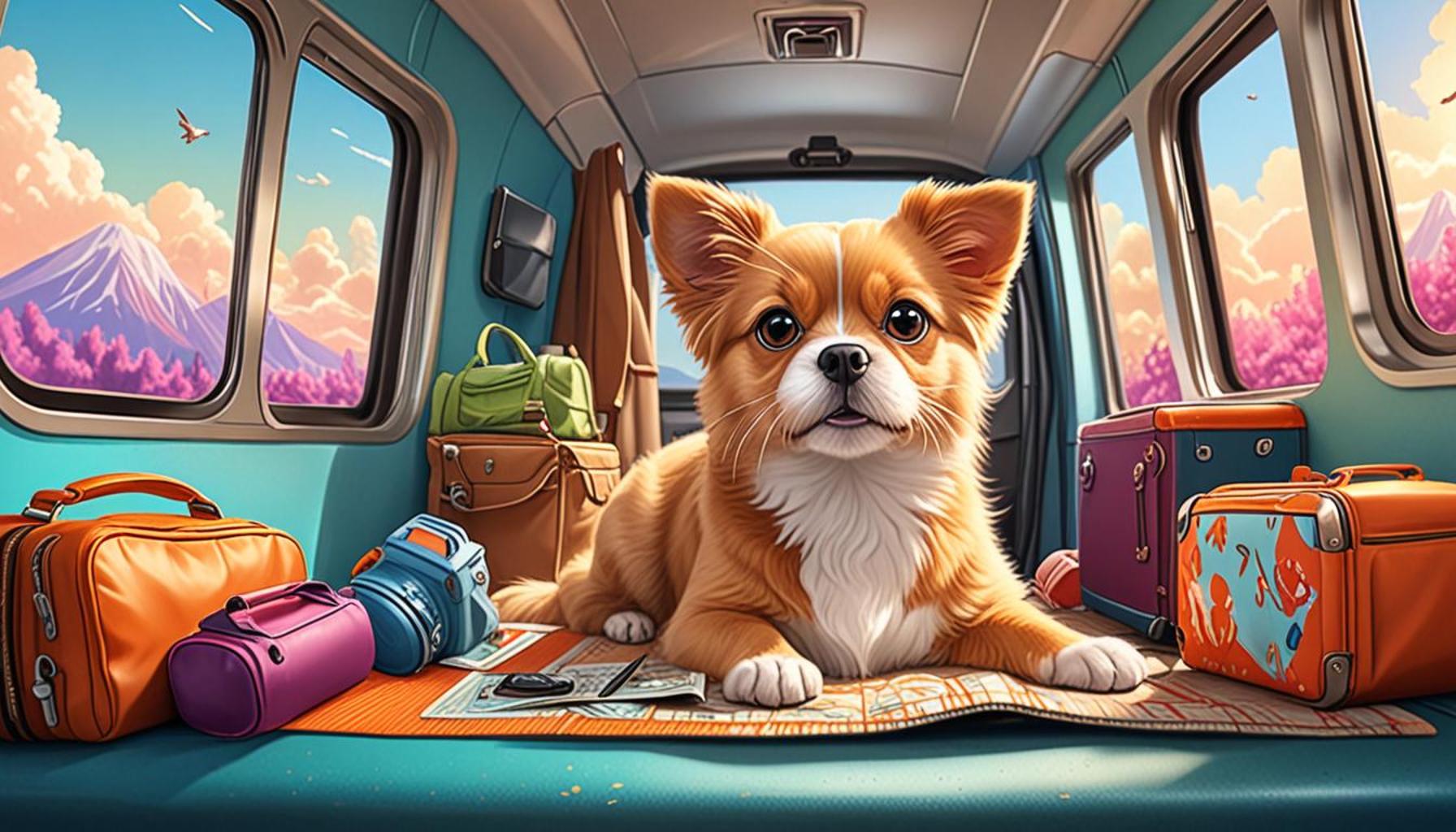
Preparing for Travel with Your Pet
Traveling with pets can transform a routine trip into an unforgettable adventure. However, without proper training, you may find yourself facing unexpected challenges that could disrupt your journey or compromise your pet’s well-being. To pave the way for a seamless experience, careful preparation is essential.
One of the first steps in making travel enjoyable for your pet is familiarization. Begin by introducing your pet to any travel equipment you’ll be using, such as carriers, harnesses, or leash systems. A comfortable carrier can serve as a safe haven for your pet during the journey. For instance, take time to let your pet explore the carrier at home, making it a positive space associated with treats and toys. This method prevents anxiety associated with being confined in a new environment.
The next step involves desensitization. Most pets are not accustomed to long periods of confinement or sudden elevation changes, such as those experienced on planes. Start by gradually acclimating your pet to short car rides, gradually increasing the duration of these trips. This practice not only reduces travel-related anxiety but also gets your furry friend accustomed to the motion and sounds associated with travel. You might consider taking your pet on weekend excursions or brief trips to nearby parks, which help them associate travel with fun experiences.
Additionally, reinforcing basic commands such as sit, stay, and come can be invaluable during travel. These commands are fundamental tools for maintaining control and ensuring safety in busy environments such as airports or crowded rest stops. Practicing these commands in different settings—like a pet-friendly store or a busy park—can build your pet’s reliability and reduce potential stressors during the trip.
Understanding your pet’s needs during travel can significantly enhance the experience. Designating a comfort zone within your vehicle or finding pet-friendly accommodations along your route ensures that your pet feels secure. It’s also essential to incorporate breaks during long drives every couple of hours to allow your pet to stretch, relieve themselves, and hydrate. This not only prevents discomfort but also helps in averting anxiety from being cooped up for extended periods.
Finally, consider adjusting your pet’s routine to mimic travel conditions. Trying out similar travel patterns can be useful—such as feeding them at times that align with your travel schedule. With thoughtful training and preparation, you can nurture a harmonious travel experience, turning every journey into an exciting shared adventure. So, buckle up and let the exploration begin—your next pet-friendly road trip awaits!
DISCOVER MORE: Click here for your ultimate animal adoption guide
Creating a Comfortable Environment for Your Pet
One of the key aspects to consider when training your pet for travel is establishing a comfortable environment. A calm and relaxing space can greatly reduce anxiety levels for both you and your pet. If travel involves a vehicle, ensure that your pet’s area is specifically designated and well-organized to create a sense of stability. You can use blankets, toys, and even familiar scents from home to help your pet feel secure during the journey.
When it comes to pet carriers, select one that is not only appropriate for your pet’s size but also suitable for the mode of travel. For example, a sturdy, well-ventilated carrier is essential for air travel, while a more spacious option may be suitable for long car trips. Make sure the carrier is FAA-approved if you plan to travel by air, as compliance with guidelines is crucial for your pet’s safety.
Consider incorporating a few items into your pet’s travel gear to enhance their comfort:
- Water bottle and dish: Staying hydrated should be a priority. Portable water bottles with built-in dishes can make it easy to keep your pet hydrated while on the go.
- Portable pet bed or blanket: Bringing along a familiar bed or blanket allows your pet to have a soft spot to rest, whether in a hotel room or a vehicle.
- Food: Stick to your pet’s regular feeding schedule and bring along their usual food to avoid digestive issues. Transitioning them to a new diet during travel can lead to unnecessary discomfort.
- First-aid kit: Accidents can happen, so it’s wise to have a basic first-aid kit that includes essentials such as antiseptic wipes, bandages, and any medications your pet may need.
As you prepare for travel, it’s also essential to engage in positive reinforcement techniques. Rewarding your pet with treats and verbal praise for calm behavior during training sessions can help ease any anxiety. For instance, during those car ride acclimation sessions, offer treats for relaxed behavior. Over time, your pet will learn to associate travel with positivity.
Moreover, maintaining a consistent training schedule is vital. Just like humans, pets thrive on routine. Before embarking on your journey, allocate time daily or several times a week to work on travel-related skills. This includes practicing in the carrier, being calm during vehicle rides, and gradually introducing your pet to busy environments, like airports or train stations.
In conclusion, the more groundwork you lay for your pet’s comfort and adaptability, the smoother your travel will be. By focusing on creating a secure space, engaging in consistent training, and utilizing positive reinforcement, you can significantly reduce travel-related stress, turning those long rides and flights into a pleasurable experience for both you and your furry companion.
When it comes to preparing your pet for travel, training is an essential component that can greatly reduce stress for both you and your furry friend. Understanding how to train your pet effectively is the first step toward a successful journey. Focus on acclimatizing them to different travel environments—whether it’s a car, plane, or train. Start with short trips around the block and gradually increase the duration, helping your pet associate travel with positive experiences.Incorporating desensitization techniques is another effective strategy. Expose your pet to the sights, sounds, and smells of travel gradually. For example, if you’re traveling by car, allow them to explore and get comfortable with the vehicle by letting them sit in it while it’s parked. Reassure them with treats and praise. This practice can greatly enhance their comfort level during longer trips.Furthermore, consider practicing key commands that your pet will need while traveling. Commands such as “sit,” “stay,” and “come” can keep your pet safe and secure in new environments. As you embark on longer journeys, practice these commands in different settings to reinforce their training. Consistency and positive reinforcement will be key in ensuring that your pet remains calm and well-behaved.Don’t forget to prepare for emergencies. Training your pet to stay calm and relaxed in unfamiliar situations is crucial. Consider enrolling them in a basic obedience course or seeking the guidance of a professional trainer if necessary. This can also provide you with valuable insights and strategies catered specifically to your pet’s needs.Finally, equip yourself with the right tools for the journey. A well-fitted harness or secure carrier will not only keep your pet safe but will also help them feel more secure during travel. Make sure they are familiar with their carrier or harness before embarking on the journey, associating it with comfort rather than confinement.In summary, effective training for travel involves gradual exposure to travel conditions, practicing commands, preparing for emergencies, and utilizing the right equipment. These comprehensive strategies will enhance your pet’s travel experience, making it as enjoyable and stress-free as possible.
DISCOVER MORE: Click here for tips on choosing the perfect pet!
Gradual Exposure to Travel Scenarios
To ensure a stress-free journey for your pet, practicing gradual exposure to different travel scenarios is crucial. This approach not only helps melt away anxiety but also builds your pet’s confidence in various environments and situations. Start by introducing your pet to the sounds and sights of travel from the comfort of home.
Begin with short car rides. Drive around your neighborhood or to a nearby park, gradually increasing the distance of each trip. Observe your pet’s behavior during these rides. If they seem anxious, consider providing distractions, such as toys or their favorite music, to help ease their mind. Familiar scents, like a blanket or shirt that smells like you, can also offer solace during the car ride.
Public transportation can be an entirely different frontier for pets. If you’ll be taking a bus or train, introduce your pet to these modes of transport as early as possible. Many cities have pet-friendly policies, which can ease concerns about traveling with your furry friend. Arrange to visit local stations during quieter hours, allowing your pet to get used to the bustling environment without becoming overwhelmed.
As you work through these experiences, put your focus on creating positive associations. Whenever your pet successfully navigates a new situation, immediately reward them with praise or treats. Over time, your pet will associate travel with fun experiences rather than anxiety-inducing events.
Preparing for Different Destinations
Not all travel is the same, and it’s critical to adapt your training for different destinations. If you plan to stay in a hotel or other accommodation, familiarize your pet with various environments similar to what they’ll encounter. You can simulate the experience by visiting friends or family members who have pets and similar household settings. This exposure will help your pet adjust more smoothly to new surroundings.
Additionally, if you’re heading outdoors—say to a national park or beach—incorporate training for leash etiquette and recall commands in open spaces. Practice on-leash walking and explore off-leash dog parks to reinforce your pet’s obedience to commands like “come” and “stay.” This training not only keeps your pet safe but also reinforces your bond.
Consultation with a Professional Trainer
If you’re uncertain about your pet’s behavior or feel overwhelmed, seeking advice from a professional trainer or behaviorist can be beneficial. They can provide personalized strategies tailored to your specific travel plans. Qualified trainers often have courses or sessions focused specifically on travel preparation, which could include crate training or calming techniques.
Furthermore, an experienced trainer can offer guidance on using tools like calming wraps or pheromone diffusers designed to soothe pets during travel. These products can be particularly useful for anxious animals, helping them stay calm through unfamiliar experiences.
Investing time in understanding your pet’s unique personality will significantly enhance your travel experience together. Each pet is different; recognizing their individual quirks and responses to travel scenarios will enable you to tailor the journey in a way that suits their needs.
Ultimately, preparing your pet for travel is a multifaceted process that requires patience, dedication, and adaptability. By investing in gradual exposure, tailored training, and professional advice, you create not only a positive travel experience for your pet but also forge lasting memories for both of you. The journey becomes not just a test of endurance but an exciting adventure that both you and your four-legged companion can cherish.
DISCOVER MORE: Click here for essential tips on choosing the perfect pet for your family
Conclusion
Embarking on a journey with your pet can be one of the most rewarding experiences, provided you take the time to prepare adequately. Training your pet for travel is not just about facilitating a smooth ride; it’s about enhancing their overall well-being and your relationship with them. By employing strategies such as gradual exposure to travel scenarios, preparing for diverse destinations, and consulting with a professional trainer, you create the foundation for a truly stress-free journey.
Remember that every pet is unique, with individual needs and preferences. Tailoring your approach to suit your pet’s personality will only serve to enrich your adventures together. Engaging your pet with positive reinforcement during training will help establish joyful associations with travel, transforming potential anxiety into excitement. Don’t forget the importance of understanding their limits—be attentive to signs of discomfort or stress, and adjust your plans accordingly.
As you explore new territories together, whether it’s a national park, beach, or city getaway, cherish the memories you’re creating. Not only do these experiences bond you with your furry companion, but they also foster their adaptability and confidence in facing new situations. With the right preparation, travel can become a joyous chapter in your pet’s life, filled with exploration, play, and discovery. So pack the essentials, strap in your furry friend, and set forth on an adventure that both of you will treasure for years to come.