
How the interaction between pets and children can benefit the health of both
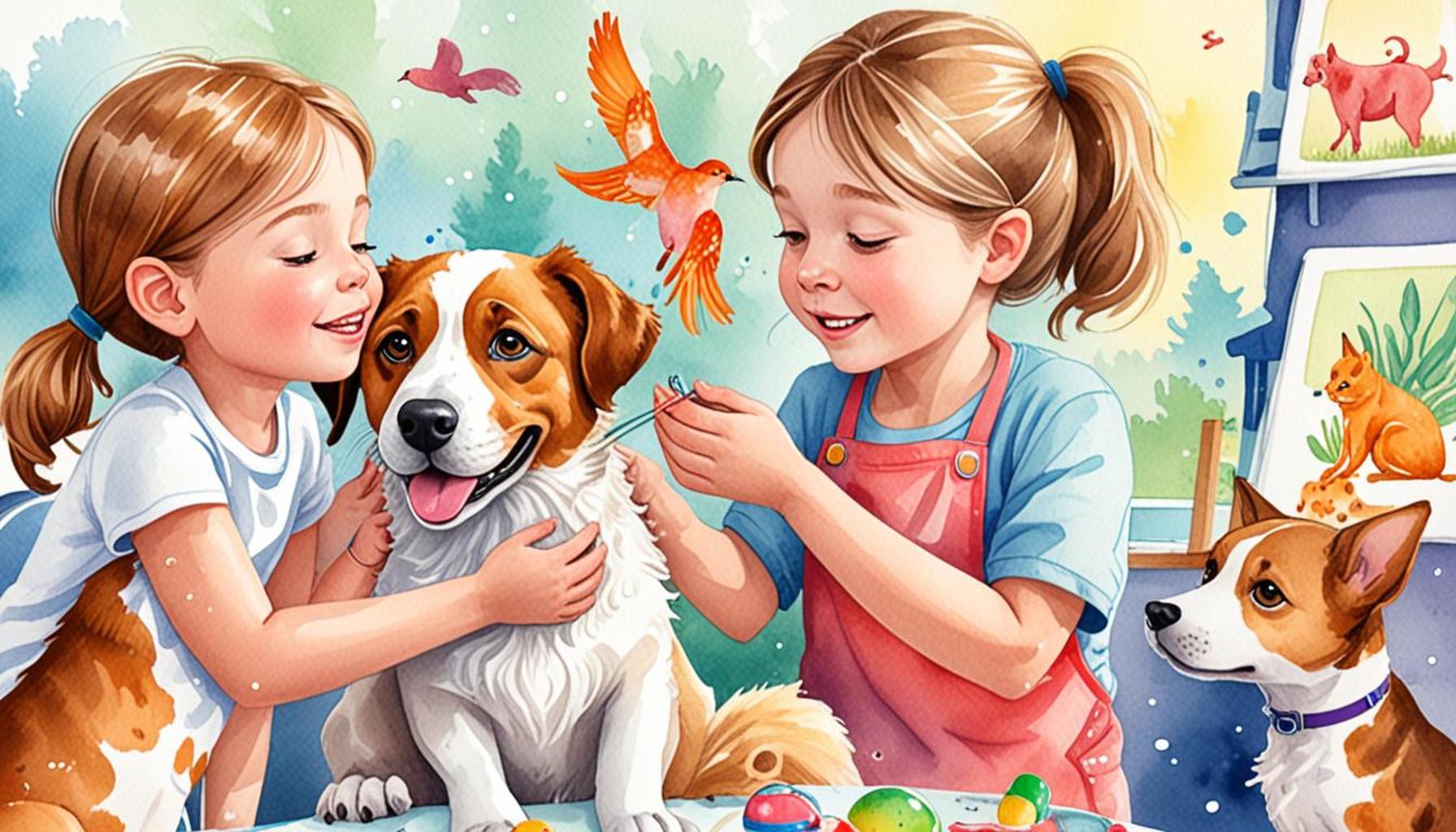
Exploring the Bond Between Pets and Children
The connection between pets and children transcends mere companionship; it serves as a vital factor influencing the overall well-being of both entities involved. Numerous studies and anecdotal evidence reveal that this relationship can yield profound benefits, shaping emotional, physical, and social development in children.
Emotional Development
One of the most significant advantages stemming from the child-pet bond is the enhancement of empathy and emotional intelligence. When children take on the responsibility of caring for pets, they inherently learn to understand and respond to the emotional needs of another living being. For example, a child who feels a cat purring against their leg learns that love and affection can occur in non-verbal forms, fostering deep emotional connections. Additionally, children exposed to pets often demonstrate increased social skills, as they learn to share and cooperate during pet care activities, enhancing their ability to interact positively with others in various settings.
Physical Activity
Moreover, the presence of pets encourages a more active lifestyle. Engaging with pets, whether it’s walking a dog, playing fetch, or simply running around in the yard, actively promotes exercise. According to the American Heart Association, regular playtime with pets can help combat childhood obesity. For instance, families with dogs are likely to spend more time outdoors, which not only contributes to physical fitness but also strengthens family bonds while promoting a healthy lifestyle overall.
Stress Reduction
Another remarkable benefit is the stress reduction that pets provide. Numerous studies have shown that companionship from animals can lower cortisol levels—the stress hormone—in children, while simultaneously boosting the production of serotonin, a feel-good neurotransmitter. This process can foster a profound sense of security and well-being. For instance, a young child might cuddle with a family dog during a thunderstorm, deriving comfort from the pet’s presence, ultimately teaching them coping mechanisms for anxiety and fear.
Life Skills and Health Benefits
Beyond emotional and physical advantages, pets play a vital role in teaching fundamental life skills. Daily responsibilities such as feeding, walking, and grooming a pet instill a sense of responsibility and patience in children. This not only enhances their interpersonal skills but also leads them to make healthier life choices. Furthermore, intriguing research suggests that having pets may enhance immunological responses in children, potentially lowering the risks for allergies and asthma. For instance, children raised in homes with dogs or cats often exhibit a reduced prevalence of these conditions, showcasing that early exposure to pets can lead to stronger immune systems.

In conclusion, delving into the bond between pets and children reveals a rich tapestry of benefits that extend far beyond companionship. As we deepen our understanding of this unique relationship, we uncover the potential for improving health outcomes for both children and pets alike. This relationship not only nurtures emotional growth but also promotes physical activity and cultivates a sense of responsibility, all contributing to a healthier society. Exploring this fascinating dynamic invites us to appreciate the lasting impact that such companionship can have on the lives of our children and their furry friends.
DIVE DEEPER: Click here to learn more about essential nutrients
Building Strong Foundations: The Health Benefits for Children
The interplay between children and their pets fosters a myriad of health benefits, particularly crucial during the formative years. One of the most compelling areas of research is the impact of pet ownership on children’s mental health. In a world where childhood anxiety and depression are becoming increasingly common, the unconditional love from pets can serve as a powerful emotional anchor. In fact, studies have indicated that children with pets report lower levels of stress and anxiety compared to their pet-less peers. This emotional buffer can lead to improved coping strategies and resilience in navigating life’s challenges.
A Natural Path to Immunity
Moreover, the presence of pets can significantly affect children’s immune systems. The concept of the “hygiene hypothesis” suggests that exposure to various microbes, including those found in pets, can bolster immune responses in children. Research indicates that children who grow up in homes with animals, particularly dogs, are less likely to develop allergies and asthma. A study from the American Academy of Pediatrics revealed that infants exposed to furry companions during their early years had a 13-15% lower risk of developing allergies. This early exposure to pet dander and saliva could help mature a child’s immune system, preparing them for a healthier future.
Encouraging the Development of Physical Skills
Pets facilitate not only mental and physical health benefits but also the development of essential life skills. Engaging with pets requires a range of physical activities that promote motor skills and coordination. When children play, walk, or care for their pets, they are not just exercising; they’re honing valuable physical capabilities. Consider the engaging act of throwing a ball for a dog to fetch — this simple activity not only encourages children to be active but also teaches them how to throw, catch, and track moving objects.
- Coordination: Activities like playing fetch or training tricks require children to move in harmony with their pets, enhancing hand-eye coordination.
- Balance: Walking or running alongside a pet, especially larger breeds, can promote balance and agility.
- Responsibility: Caring for a pet’s daily needs, such as feeding and grooming, develops a sense of accountability.
The journey through childhood marked by the companionship of pets acts as a catalyst for balanced development. Children carry the lessons they learn from this interaction into adulthood, shaping them into empathetic, responsible individuals. Understanding how deeply intertwined the health and happiness of children and pets are encourages a more meaningful approach to pet ownership. It’s clear that fostering this relationship lays a strong foundation for healthy, active lives.
How the Interaction Between Pets and Children Can Benefit the Health of Both
The bond between children and pets is not just adorable; it is also incredibly beneficial for both parties. Research indicates that children who grow up with pets tend to have lower levels of anxiety and depression. Pets provide unconditional love and companionship, which fosters emotional development. This companionship can result in children feeling more secure and supported in their daily lives.
Furthermore, the responsibilities that arise from caring for a pet—such as feeding, grooming, and walking—instill a sense of responsibility and empathy in young minds. Children learn to recognize and respond to the needs of another living being, which not only enhances their nurturing skills but also contributes positively to their social development.
From a physical health perspective, interacting with pets encourages children to engage in more active playtime outdoors. This boosts their physical activity levels and helps combat the increasing rates of childhood obesity. With pets, children are more likely to participate in aerobic activities which strengthen their cardiovascular health.
Moreover, studies have shown that having pets may help in strengthening the immune system of children. Exposure to pet dander and bacteria can help build a more robust immune response, potentially leading to fewer allergies and respiratory issues. As parents explore the connection between their children and their furry friends, they may discover not only a love for animals but also an invaluable opportunity for growth and health enhancement.
| Category | Benefits |
|---|---|
| Emotional Development | Pets provide companionship and reduce anxiety. |
| Physical Health | Higher activity levels lead to reduced obesity risks. |
| Social Skills | Caring for pets boosts empathy and social interactions. |
| Immune System | Exposure to pets helps strengthen the child’s immune response. |
As families continue to navigate the benefits and joys of pet ownership, it’s essential to recognize the profound impact these interactions have on children’s health and well-being. Engaging with pets isn’t just a pastime; it is a pivotal chapter in the story of a child’s development.
DISCOVER MORE: Click here to learn about the latest pet nutrition trends
Fostering Emotional Intelligence and Social Skills
As children interact with their pets, they gain invaluable lessons in empathy and emotional intelligence. Understanding a pet’s needs and behaviors can cultivate a child’s ability to recognize feelings in themselves and others. For instance, children learn to interpret a dog’s wagging tail or a cat’s purr as indicators of happiness, whereas a growl or hiss communicates distress. This emotional literacy translates into enhanced abilities to communicate and relate to peers, making it easier for them to navigate complex social situations.
Furthermore, caring for a pet often requires children to practice patience and compassion. Tasks such as grooming or nursing a sick pet foster tenderness, teaching kids how to express and manage their own emotions. Research suggests that children who grow up understanding empathy from an early age tend to exhibit better interpersonal skills and are more adaptable, qualities that are paramount in today’s society.
Bridging Generational Gaps and Community Connections
The bond formed between children and pets can also serve as a bridge connecting families and communities. When children walk their dogs in the park or participate in pet-related activities, it creates a social environment conducive to forging friendships. Such communal interactions help develop social skills and encourage a sense of belonging. Moreover, events like pet parades or adoption drives act as platforms for families to engage with each other, fostering community ties.
In the age of digital interaction, opportunities for face-to-face engagement have dwindled. Pets encourage outdoor activities, prompting children to be active participants in their communities. Studies have shown that neighborhoods with higher pet ownership often experience increased social cohesion, underscoring the role of pets in nurturing a network of support and friendship among families.
The Therapeutic Effects of Animal Companionship
Perhaps one of the most compelling aspects of the pet-child relationship is its potential for therapeutic interventions. Animal-assisted therapies have gained traction in the United States, with numerous programs being designed to help children with autism, ADHD, and other behavioral issues. Interactions with animals can reduce anxiety levels and improve focus and interaction skills in those with developmental challenges.
- Therapeutic benefits: The presence of a pet can help calm children during stressful situations, providing comfort and security.
- Engagement in therapy: Children involved in therapy with pets are often more open and willing to express their thoughts and feelings, facilitating deeper therapeutic progress.
- Positive behavior reinforcement: Caring for a pet encourages positive behaviors and routines, leading to better emotional regulation in children.
As research in the field of human-animal interaction continues to evolve, the documented benefits of integrating pets into the lives of children are becoming increasingly evident. From emotional growth to improved social skills and community connections, the interactions between pets and children not only contribute to their individual well-being but also pave the way for healthier societal dynamics. The child-pet relationship illustrates the profound impact animals have on human development, enriching the lives of both children and their furry companions.
DISCOVER MORE: Click here to learn about the adoption process
Conclusion: A Synergistic Relationship for Health and Happiness
The bond between pets and children extends well beyond mere companionship—it profoundly impacts the health and well-being of both parties involved. As explored throughout this article, interactions with pets foster critical life skills such as empathy, emotional intelligence, and social connectivity. Children learn to navigate feelings—both their own and those of their furry friends—ultimately shaping them into compassionate individuals capable of forming lasting relationships.
Moreover, engaging with pets transcends individual benefits by strengthening community ties and bridging generational gaps. Families who participate in pet-related activities often find themselves woven into a supportive network that encourages outdoor engagement and collaborative interactions. This collective experience can enhance the overall atmosphere of neighborhoods, creating spaces rich in positive social dynamics.
Perhaps the most compelling aspect of the child-pet relationship lies in its therapeutic potential. Through animal-assisted therapies, children facing various emotional and developmental challenges can find pathways to healing that traditional methods might not fully provide. The mere presence of a pet can reduce anxiety and promote a sense of security, making each interaction a step toward improved psychological health.
In conclusion, the interplay between children and their animal companions offers rich opportunities for growth, nurturing, and therapeutic healing. As research continues to unveil the layers of benefits derived from these relationships, it becomes increasingly clear that fostering such bonds can lead to healthier, happier futures for both children and pets. Exploring these dynamics is not just a window into the significance of the human-animal connection, but an invitation to embrace those enriching experiences in our daily lives.