
The Effects of Diet on the Dental Health of Dogs and Cats
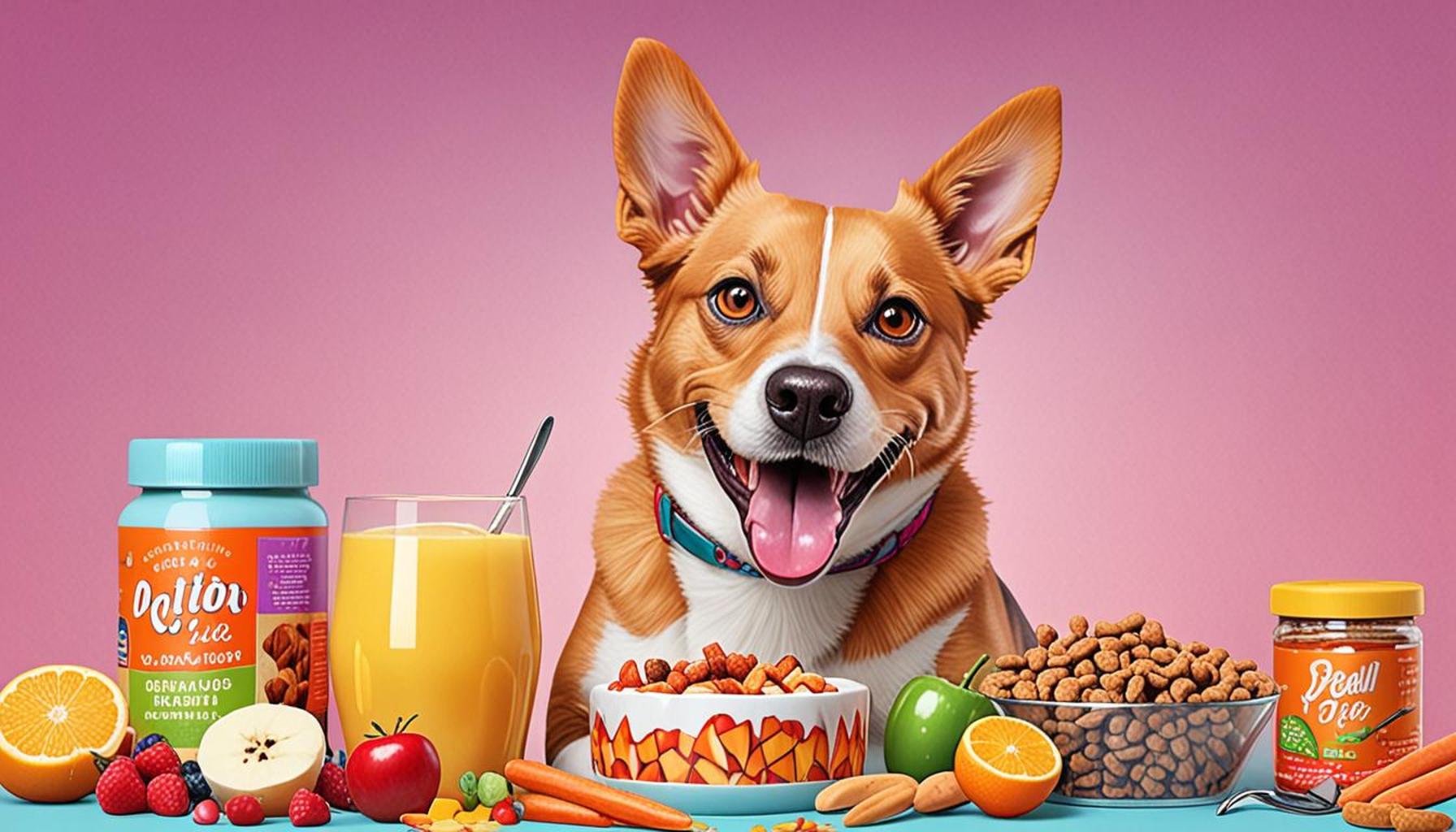
Understanding the Impact of Diet on Pet Dental Health
The connection between diet and dental health in pets is an often overlooked yet crucial aspect of veterinary care. As caretakers for our furry friends, understanding what we feed them can substantially influence their oral health. Recent studies suggest that certain diets can either promote a healthy mouth or contribute to serious dental issues.
When it comes to the types of food we offer our pets, there are significant differences between dry kibble and wet food. Dry kibble is often praised for its ability to reduce plaque buildup due to its abrasive texture, which can help scrub the teeth as pets chew. In contrast, wet food, while appealing to picky eaters due to its savory taste and moisture content, may contribute to plaque and tartar accumulation. Research indicates that pets consuming wet food may require more frequent dental cleanings, highlighting the importance of intentional dietary choices in maintaining oral hygiene.
Another aspect to consider involves snack choices. Many pet owners might wonder if dental treats are genuinely effective or if they simply mask underlying dental issues. While some dental treats boast the ability to reduce plaque and freshen breath, overlooking regular dental care—like brushing or professional cleanings—can lead to a false sense of security regarding a pet’s dental health. A collaborative approach that combines dental treats with routine oral hygiene practices proves to be most beneficial.
It’s also essential to evaluate human food for its impact on dental health. Common table scraps such as bread, cheese, and sugary foods can contribute to dental decay. Ingredients like onion or garlic, while prevalent in many cuisines, are toxic to pets and can exacerbate dental and overall health issues. Owners should be mindful of what they share with their pets while ensuring their diets are primarily composed of species-appropriate nutrition.
In the United States, pet obesity is a growing concern linked to poor dietary choices, which not only affects your pet’s weight but can also significantly undermine dental hygiene. A balanced diet rich in appropriate nutrients can lead to healthier teeth and gums, reducing the risk of periodontal disease and the associated complications that can arise when dental health is neglected.
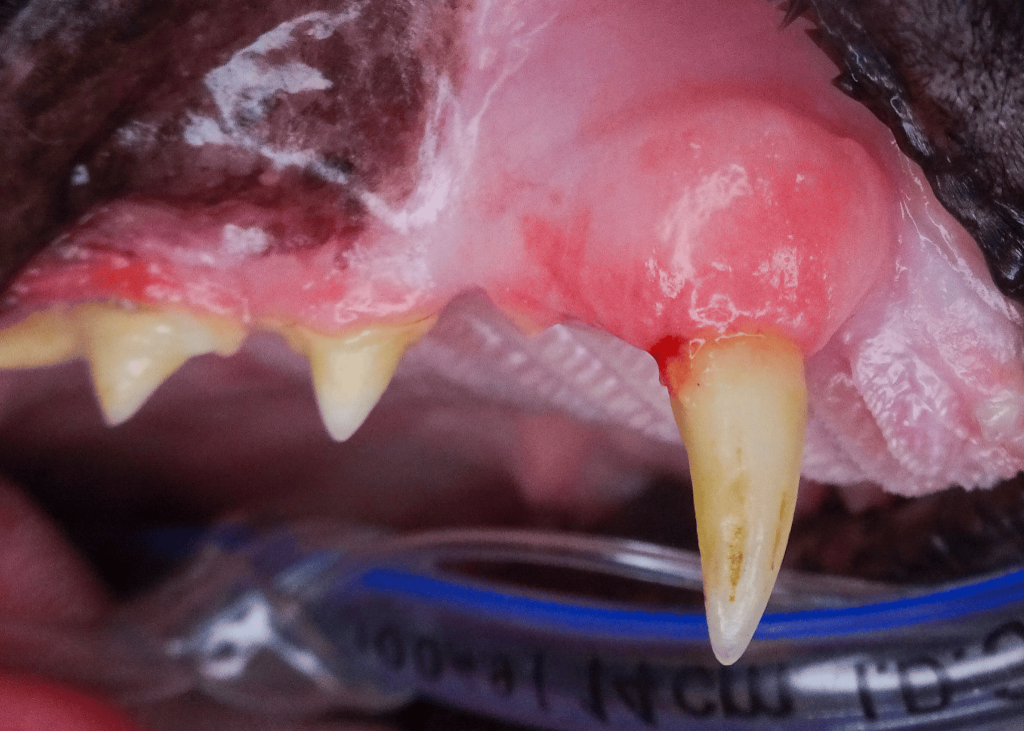
As we delve deeper into this subject, it becomes clear that tailored nutrition is not only beneficial but necessary for optimizing the dental health of your beloved dogs and cats. Recognizing signs of poor dental health, such as bad breath, swollen gums, or difficulty eating, is imperative. By learning how to adjust your pet’s diet and incorporating vet-recommended dental care products, owners can effectively enhance their pets’ oral wellbeing and overall quality of life.
DISCOVER MORE: Click here to learn about positive training for happy pets
The Role of Food Texture and Composition
When examining the effects of diet on the dental health of dogs and cats, the texture and composition of the food we provide stands as a pivotal factor. The ongoing debate between dry kibble and wet food reveals that the choice of diet is not merely about preference but has far-reaching implications for oral hygiene. Dry kibble, often formulated with crunchy morsels, tends to mechanically reduce plaque by scrubbing against teeth as pets chew. This friction is essential in maintaining a cleaner mouth and preventing the buildup of harmful bacteria and plaque.
Conversely, wet food presents a different scenario. Its moist consistency, while alluring to many pets, offers less mechanical action against the teeth, potentially allowing plaque to accumulate. Some studies suggest that pets on a solely wet food diet may exhibit an increased need for professional dental cleanings and owner-initiated oral care due to the risks posed by nearly negligible abrasiveness. Experts recommend a mixed diet that includes both dry and wet food to balance taste with dental health benefits.
Understanding Nutritional Impact
Another aspect that pet owners should consider is the nutritional content included in commercial pet foods. Many brands now formulate diets specifically designed to promote oral health. These diets often contain additives such as tartar control agents and fibers that help mitigate plaque formation. Ingredients like sodium hexametaphosphate are known to bind calcium in the mouth, which may help prevent calculus buildup. Yet, the effectiveness of these specially formulated foods can vary, and it is crucial for pet owners to consult with veterinarians to select appropriate products tailored to their pet’s individual needs.
Dental Treats and Safe Snacking
Total diet encompasses more than just meals; it also includes the snacks we select for our pets. Many pet lovers are drawn to dental treats that claim to promote oral health by reducing plaque and refreshening breath. However, reliance on these treats alone can create an illusion of adequate dental care. It’s essential to remember that while some dental chews can genuinely support oral hygiene, they should not substitute routine dental practices such as brushing and professional veterinary cleanings. Here are key points when considering dental treats:
- Look for Veterinary Approved Products: Always select dental treats endorsed by veterinary dental organizations to ensure efficacy.
- Check Caloric Content: Monitor the calories in the treats to avoid obesity, a common concern that can adversely affect dental health.
- Balance Chews with Main Diet: Ensure treats represent only a small percentage of the daily caloric intake to maintain proper nutrition.
Overall, examining all facets of your pet’s diet—food texture, nutritional content, and treat choices—plays a fundamental role in their long-term dental health. Small changes and attentive choices can lead to significant improvements in your furry companion’s oral hygiene, making diet a crucial topic in responsible pet ownership.
The Importance of Nutritional Choices
When it comes to the dental health of pets, the food they consume plays a pivotal role. A diet rich in essential nutrients not only supports overall health but also contributes to maintaining healthy gums and teeth. Many pet owners may not realize that certain ingredients can foster or hinder oral hygiene. For instance, the inclusion of cooked bones can lead to dental fractures, while soft, processed foods often contain carbohydrates that contribute to plaque accumulation.
Key Ingredients for Optimal Oral Health
A balanced diet for dogs and cats should include elements specifically beneficial for dental care. High-quality kibble, designed to mechanically reduce plaque buildup, can serve as a preventive measure against periodontal disease. Additionally, incorporating whole foods, such as raw vegetables or fruits like carrots and apples, can promote chewing action that helps scrape away bacteria and food particles, thus enhancing oral health.Moreover, omega fatty acids found in certain fish can offer anti-inflammatory benefits, supporting gum health while simultaneously providing essential nutrients. It’s essential for pet owners to investigate the long-term effects of their pets’ diets on dental health to ensure optimal well-being.
| Dietary Component | Impact on Dental Health |
|---|---|
| High-Quality Kibble | Helps reduce plaque through mechanical action |
| Raw Vegetables | Promotes chewing and reduces bacteria buildup |
By closely evaluating the dietary habits of dogs and cats, owners can take proactive steps toward preventing dental issues. Regular vet checkups paired with a proper understanding of diet-related impacts can ensure that our furry companions maintain not only a healthy mouth but a thriving life.
DISCOVER MORE: Click here for valuable tips
The Influence of Specific Ingredients
As we delve deeper into how diet affects the dental health of our beloved pets, it becomes crucial to explore the significance of specific ingredients in pet food. Certain components can uplift oral hygiene, while others may have adverse effects. For instance, Omega-3 fatty acids, found in fish oil, are gaining recognition for their anti-inflammatory properties, which can benefit both the gums and overall oral health in dogs and cats. These fatty acids may help reduce periodontal disease symptoms, thus playing a dual role in maintaining oral hygiene.
Moreover, the inclusion of probiotics in pet diets is becoming popular among pet owners and professionals alike. These beneficial bacteria, often found in fortified foods or dental treats, can promote a balanced oral microbiome, potentially reducing harmful bacterial growth that leads to plaque accumulation. The synergy of a well-balanced diet with probiotics may offer pet owners a proactive route to better dental health.
The Impact of Sugar and Fillers
On the flip side, diet choices laden with sugars and unnecessary fillers can be detrimental to a pet’s dental health. Many low-quality pet foods contain sugars to enhance flavor, which can significantly contribute to plaque formation and cavities. Highly processed foods may also contain fillers that neither add nutritional value nor benefit oral hygiene. Ingredients such as corn syrup and other sweeteners are best avoided to support your pet’s dental well-being.
Another concerning trend can be found in the increasing prevalence of high-carbohydrate diets. While carbohydrates are not bad in moderation, excessive consumption can lead to a rise in bacteria that feed on sugars, fostering an environment that encourages plaque and tartar development. Thus, it is advisable for pet owners to be vigilant in reading ingredient labels, prioritizing those that offer wholesome and natural selections while steering clear of those packed with fillers and sugars.
Regular Dietary Adjustments and Considerations
Moreover, as pets age, their dietary requirements will evolve. Senior dogs and cats often require special formulations that account for both nutritional needs and oral health. Foods specifically designed for senior pets may contain added fibers for better digestion and lower sodium levels, which can help alleviate existing dental issues. Consulting with a veterinarian on the best dietary options as pets transition through different life stages can lead to better dental health outcomes.
Interestingly, some pet owners are exploring homemade diets as a means to customize their pet’s nutrition and dental care. However, creating a balanced homemade diet requires specialized knowledge to ensure it meets all of a pet’s nutritional needs while also considering dental health implications. Therefore, if you’re considering this route, seek guidance from a veterinary nutritionist to craft appropriate recipes that promote dental health without compromising nutrition.
Ultimately, the direct link between diet and dental health in pets highlights the importance of conscious choices in feeding routines. Each component of your pet’s diet— from specific ingredients to overall nutritional balance— plays a vital role in shaping their dental well-being. As pet owners, navigating the diverse landscape of pet nutrition will not only benefit your furry friends’ teeth but enhance their quality of life overall.
DISCOVER MORE: Click here for essential tips on choosing the perfect pet for your family
Conclusion: Prioritizing Oral Health Through Diet
In conclusion, the correlation between diet and dental health in dogs and cats cannot be overstated. As pet owners, understanding this connection empowers us to make informed choices that directly influence our pets’ quality of life. A diet rich in essential nutrients, including Omega-3 fatty acids and probiotics, not only fortifies overall health but also significantly enhances oral hygiene. In turn, such diets can mitigate issues like plaque build-up and periodontal disease, ensuring our furry companions maintain bright smiles and healthy gums.
Conversely, the detrimental impact of sugars and fillers in pet food serves as a cautionary reminder to scrutinize ingredient lists diligently. Avoiding high-carbohydrate options, alongside increasingly processed foods, can lead to healthier teeth and gums for our pets. Moreover, recognizing the evolving dietary requirements of aging pets is essential; tailored nutrition—including easily digestible options—can support dental health through varied life stages.
As the exploration of homemade diets gains traction, it is imperative for pet owners to seek expert guidance to strike a balance between nutritional adequacy and dental wellness. Ultimately, the journey towards optimal dental health for beloved dogs and cats begins with a careful selection of food. By prioritizing their diet, we not only foster better oral health but also contribute to happier, longer lives for our cherished companions. Engaging in ongoing conversations with veterinarians about dietary strategies can illuminate the path toward better overall health and wellness for pets. Rest assured, a well-fed pet is a happy—and healthy—pet.