
The Impact of Nutrition on Pet Longevity
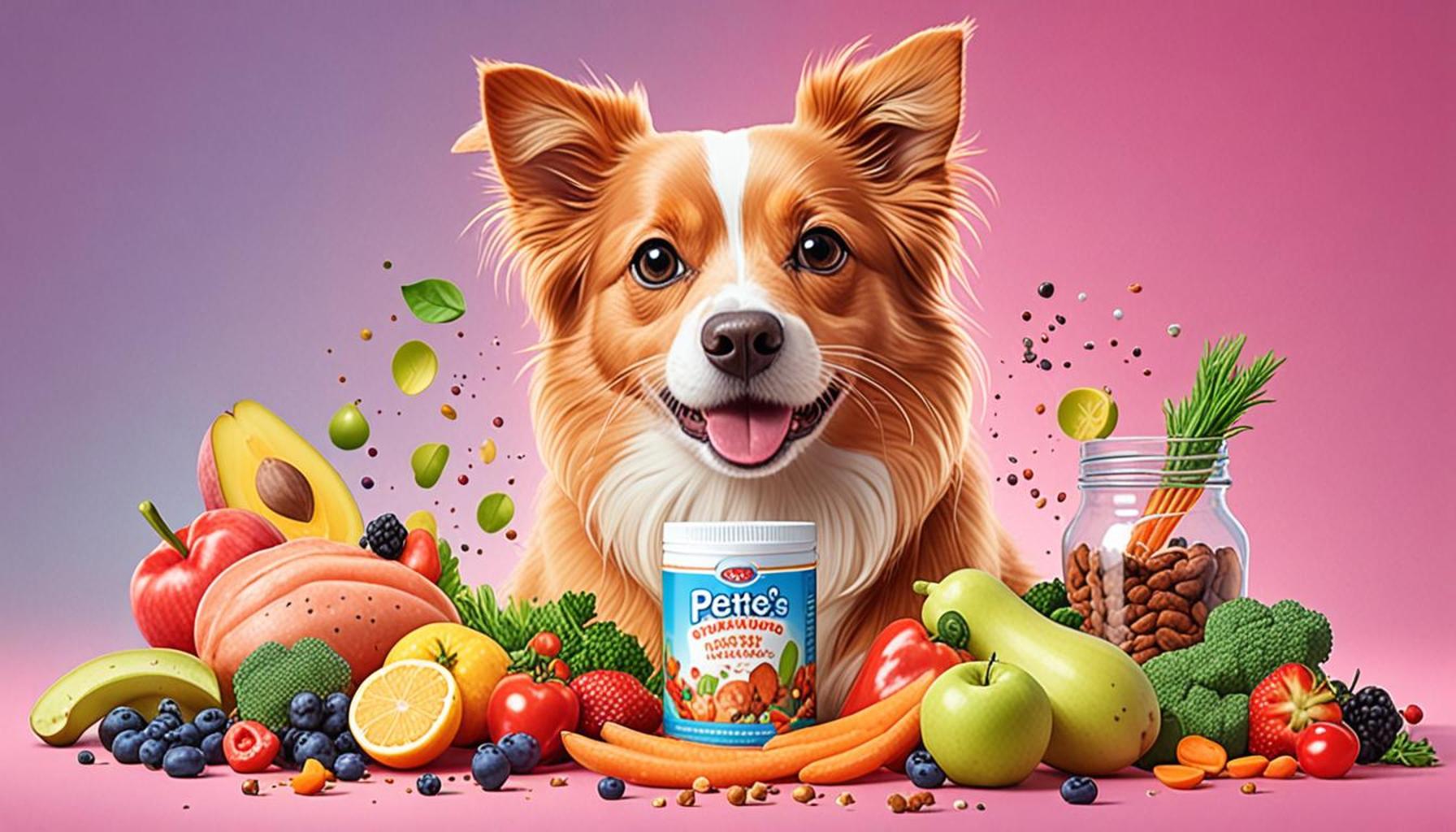
The Critical Role of Nutrition in Pet Longevity
Have you ever wondered why some pets live longer than others? A growing body of research suggests that nutrition plays a pivotal role in determining pet longevity. It’s not just about keeping them well-fed; it’s about providing a diet that aligns with their biological and physiological needs.
Just like humans, pets require a balanced diet tailored to their specific needs. Several factors significantly influence their dietary requirements, including:
- Age: Puppies and kittens have different nutritional needs compared to adult and senior pets. For instance, young animals may require higher protein content to support growth and development.
- Breed: Certain breeds may have predispositions to specific health issues requiring tailored diets. For example, larger breeds often need a controlled amount of calcium and phosphorus to avoid developmental disorders.
- Activity level: Active pets, like working dogs or playful kittens, may need higher caloric intake than their sedentary counterparts.
- Health conditions: Pets with diabetes, kidney disease, or allergies may need specialized diets to manage their conditions effectively.
Studies have shown that pets receiving a diet rich in essential nutrients often exhibit improved overall health. When pets are provided with balanced nutrition, the benefits become visible in areas such as:
- Enhanced immune function: A diet with appropriate vitamins and minerals can strengthen a pet’s immune response, helping them fend off illnesses more effectively.
- Reduced risk of chronic diseases: Nutrition plays a critical role in preventing ailments such as obesity, diabetes, and heart disease, which are prevalent among pets today.
- Improved energy levels: Proper fuel from their diet can lead to higher energy levels, making your pets more active and engaged.
For pet owners in the United States, making informed decisions about pet food can be a game-changer. The pet food industry is vast, boasting a myriad of choices from kibble to raw diets and everything in between. Understanding labels and ingredients is essential. Look for brands that prioritize whole food ingredients, with real meat as the first ingredient and no fillers or artificial preservatives.
As you select food items for your furry friend, consider consulting with a veterinarian to choose products that align with their specific needs. Monitor your pet’s health regularly and be prepared to adapt their diet as they age or if health conditions arise.
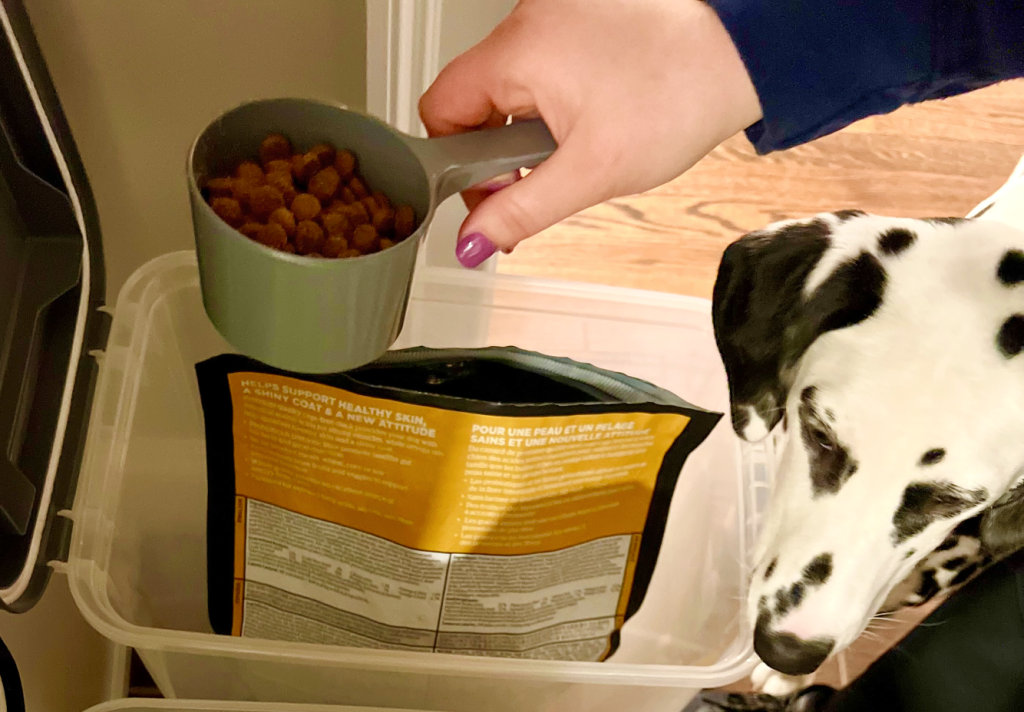
In the sections that follow, we will delve deeper into specific dietary components, such as the importance of omega-3 fatty acids, antioxidants, and how they can impact your pet’s lifespan. Get ready to explore the fascinating relationship between nutrition and the health of our beloved pets, as informed choices can not only enhance their quality of life but also extend their time with us.
LEARN MORE: Click here to discover the key benefits of a balanced diet for your pet
Understanding the Nutritional Needs of Pets
Nutritional needs in pets are as diverse as their personalities. Each pet, whether it be a sprightly puppy, a wise old cat, or an energetic bird, requires careful attention to their diet in order to promote longevity. The essentials of nutrition are not one-size-fits-all; they depend heavily on the individual needs of the animal. As responsible pet owners, aiming to enhance our pets’ health and lifespan starts with understanding these foundational concepts of nutrition.
One primary aspect of a pet’s diet is the balance of macronutrients and micronutrients. Macronutrients include proteins, fats, and carbohydrates, which are necessary for maintaining energy levels and supporting overall health. Proteins are essential for growth and repair, while healthy fats provide energy and support cognitive functions. On the other hand, micronutrients—vitamins and minerals—play critical roles in metabolic processes and help to prevent diseases. A pet’s diet should encompass a proper ratio of these nutrients tailored to their life stage and lifestyle.
The age of your pet significantly influences its dietary requirements. Young animals require more protein and energy-dense foods to support their rapid growth. In contrast, senior pets may need diets formulated for weight management and joint health due to slowing metabolism and potential mobility issues. The incorporation of specific nutrients can aid in mitigating the effects of aging. For example, antioxidants such as vitamins C and E, found in various fruits and vegetables, can combat cellular damage and can be vital in extending a pet’s life.
Moreover, breed-specific considerations are equally important. Some breeds, such as Golden Retrievers, may be predisposed to obesity, while others might be more prone to digestive issues. Thus, diets must be adjusted accordingly. Here are some breed-specific dietary guidelines:
- Large Breeds: Balanced calcium and phosphorus levels are crucial to avoid skeletal diseases.
- Small Breeds: Higher fat content may be required to cater to their faster metabolism.
- Specific Health Risks: Breeds like Dachshunds should have diets that emphasize joint health due to their susceptibility to spine problems.
Another significant factor affecting a pet’s nutritional needs is their activity level. Active dogs or outdoor cats that enjoy vigorous play require more calories to maintain their body weight and energy needs. In contrast, less active pets may need food that is lower in calories to prevent obesity, which can lead to serious health issues like diabetes and heart disease. Overall, evaluating your pet’s activity level and adjusting their food accordingly is important in maintaining their health over the long term.
Pet owners must also keep a close watch on any pre-existing health conditions as these can hugely impact dietary choices. Always consult with a veterinarian for nutritional advice tailored to your pet’s health status or any medical conditions they may face.
As we delve deeper into the specifics of pet nutrition, the following sections will explore vital components like omega-3 fatty acids, their role in reducing inflammation and supporting heart health, and how these dietary elements contribute to a longer and healthier life for your furry friends.
The Impact of Nutrition on Pet Longevity
In examining the critical role that nutrition plays in enhancing the longevity of our pets, it becomes evident that a well-balanced diet can significantly influence their overall health and well-being. Factors such as age, breed, and activity level must all be considered when selecting the right nutritional plan for your furry companions. Furthermore, long-term research supports the idea that pets receiving a nutrient-dense diet often experience fewer health problems, leading to a longer, happier life.
According to veterinary studies, certain nutrients—like Omega-3 fatty acids, antioxidants, and essential vitamins—are paramount in combating age-related diseases. Omega-3s, for example, help reduce inflammation, which can lead to chronic pain and other health issues in older pets. In addition, antioxidants support cellular health and operate to protect the body from free radicals, a significant concern in aging.
Your pet’s diet can also affect energy levels and mood. A balanced diet rich in all necessary micro and macronutrients contributes to maintaining a healthy weight, impacting both physical vitality and emotional well-being. Obesity, as noted in studies, has a direct correlation with a shortened lifespan in pets. Feeding an appropriate diet tailored to your pet’s unique needs can, therefore, be a protective measure against obesity and its associated problems.
| Category | Details |
|---|---|
| Nutrient Density | Higher levels of essential nutrients can fortify health and combat diseases. |
| Weight Management | Maintaining an ideal body weight decreases risks of illness and enhances longevity. |
Choosing the right diet is a step forward in ensuring that your pets live their fullest lives. The ongoing research in the field of veterinary nutrition continues to unveil exciting prospects that can help pet owners in making informed choices, crafting a healthier future for their beloved animals.
DISCOVER MORE: Click here to enrich your pet’s life
Essential Nutritional Components for Pet Health
As pet owners, delving into the specific nutritional components that contribute to our pets’ vitality and longevity is crucial. Among these are omega-3 fatty acids, which have become increasingly recognized for their multifaceted health benefits. Found in fish oils and flaxseed, these essential fatty acids are not produced by pets’ bodies and must be obtained through diet. Research suggests that omega-3s play a significant role in reducing inflammation, promoting heart health, and supporting cognitive function. Some studies have even indicated that animals on a diet supplemented with omega-3 fatty acids exhibit improved mental sharpness as they age, ultimately contributing to increased longevity.
Moreover, incorporating fiber into a pet’s diet is equally important. Adequate fiber not only aids in digestion but can also help prevent obesity by promoting a feeling of fullness. Ingredients such as pumpkin, sweet potatoes, and even certain grains like brown rice can add beneficial fiber. This is paramount, especially for senior pets who may be prone to digestive issues. The gastrointestinal health of pets can significantly affect their overall wellness, thereby extending their lifespan when managed properly.
Another noteworthy component to consider is antioxidants. These compounds combat oxidative stress in pets’ bodies, which can lead to cellular damage and chronic diseases such as cancer—and we all know the detrimental effects cancer can have on pet longevity. Ingredients such as blueberries, cranberries, and spinach can provide rich sources of antioxidants, offering pets a robust defense against aging-related decline. Some commercial pet foods even include specific antioxidant blends designed to bolster immune response and enhance vitality.
Pet owners must also be aware of the role of probiotics and prebiotics in enhancing their pets’ overall health. These components foster a healthy gut microbiome, which is directly linked to improved digestion, immunity, and even mental health. Products containing live probiotics can aid in nutrient absorption and promote a healthy balance of gut bacteria, ultimately contributing to a pet’s longevity.
When selecting pet food, it’s essential to look for high-quality ingredients free from unnecessary fillers and artificial additives. Many commercial pet food brands are now offering cleaner formulations, lean meats, and whole food ingredients aimed at maximizing health benefits. Pet owners should also be vigilant about avoiding foods that contain excess sugars and unhealthy fats, which can lead to obesity and other health complications that compromise a pet’s lifespan.
With the modern trend toward grain-free diets and raw food approaches, many pet owners are experimenting with various feeding methodologies. However, it’s imperative to consult a veterinarian before making significant dietary changes. What works for one pet may not be suitable for another, and balancing the nutritional needs while considering personal pet characteristics is essential for enhancing longevity.
In addition to the focus on organic and premium diets, homeowners are encouraged to educate themselves about the importance of hydration. Proper hydration is often overlooked but is a critical aspect of a well-rounded nutrition plan. Fresh, clean water should always be available to pets, as dehydration can lead to severe health complications and significantly impact their quality of life.
Overall, addressing these nutritional aspects not only ensures a longer life but enhances the quality of life for pets as they age. By enriching their diets with the right components, we move one step closer to achieving optimal health for our beloved companions and paving the way for many happy years together.
DIVE DEEPER: Click here to learn more
Conclusion: Nourishing Our Pets for a Longer Life
The significance of nutrition in extending the lifespan of our pets is undeniably profound. As we’ve explored, fundamental components such as omega-3 fatty acids, fiber, antioxidants, probiotics, and the need for proper hydration all play crucial roles in fortifying our furry companions’ health. Such detailed attention to what we feed our pets not only influences their longevity but also enhances their quality of life, allowing them to lead active and vibrant existences well into their senior years.
As pet owners, it is essential to prioritize high-quality, nutritious diets while steering clear of harmful additives. By opting for natural ingredients and consulting with veterinarians regarding dietary changes, we can better cater to our pets’ individual needs, ensuring that they receive the best possible care. The thoughtful selection of food can yield remarkable benefits, preventing obesity, reducing the risk of chronic diseases, and promoting better overall health.
Moreover, the journey toward greater pet health and longevity goes beyond the bowl. Regular vet check-ups, engaging physical activities, and mental stimulation are also vital factors intertwined with nutrition in achieving a happier, more fulfilled life for our pets. Ultimately, by embracing a holistic approach that emphasizes both quality nutrition and overall well-being, we pave the way for many joyful moments with our beloved companions.
Let this be a call to action for pet owners across the United States to take a proactive stance on pet nutrition. Explore, educate, and enrich our pets’ lives for a future filled with love and companionship.