
Natural Food vs. Commercial Feed: What is Better for Your Pet?
Understanding Your Pet’s Diet Choices
When it comes to your pet’s nutrition, the debate between natural food and commercial feed rages on. Many pet owners are increasingly questioning what is truly best for their furry companions. With the growing awareness of pet health and wellness, it is crucial to explore both sides of this dietary dilemma.
Navigating through various options necessitates a deeper understanding of the key characteristics that define each type of pet food. Here’s a quick overview:
- Natural Food: Often includes fresh meats, fruits, and vegetables, which can be sourced from local farms or even prepared at home. Many pet owners appreciate the ability to control what their pets consume, potentially avoiding harmful additives.
- Commercial Feed: Typically processed and packed with preservatives or fillers to extend shelf life. These products range from budget brands to premium options that tout organic or grain-free labels, making it essential for owners to read labels carefully.
Each option comes with its distinct advantages and disadvantages, influencing pet owners’ choices:
- Natural Food Pros: Less processing means that natural foods often retain more nutrients essential for pets’ health. Foods that are minimally processed tend to have an appealing aroma, inviting pets to enjoy their meals. Additionally, natural diets can reduce the risk of allergies and digestive issues in some animals.
- Commercial Feed Pros: Convenience is a significant advantage of commercial feed. It is budget-friendly and readily available across various retail channels, making it easy for pet owners to find suitable options. Moreover, many brands provide a balanced nutritional profile formulated by veterinarians, ensuring that dietary needs are met consistently.
However, pet owners must critically evaluate factors such as cost, ingredients, and availability when selecting the right diet for their pets, as these choices can directly impact your pet’s overall health and well-being. For example, high-quality commercial options may seem pricier initially, but their nutritional density might lead to reduced feeding portions and improved long-term health.
As you delve deeper into understanding what fuels your pet, consider the vast array of information available. Websites like the Association of American Feed Control Officials (AAFCO) provide guidelines for pet food labeling standards, helping pet owners make informed decisions. Investigating each perspective—natural versus commercial—offers insights that could lead to more thoughtful choices about your beloved pet’s diet.
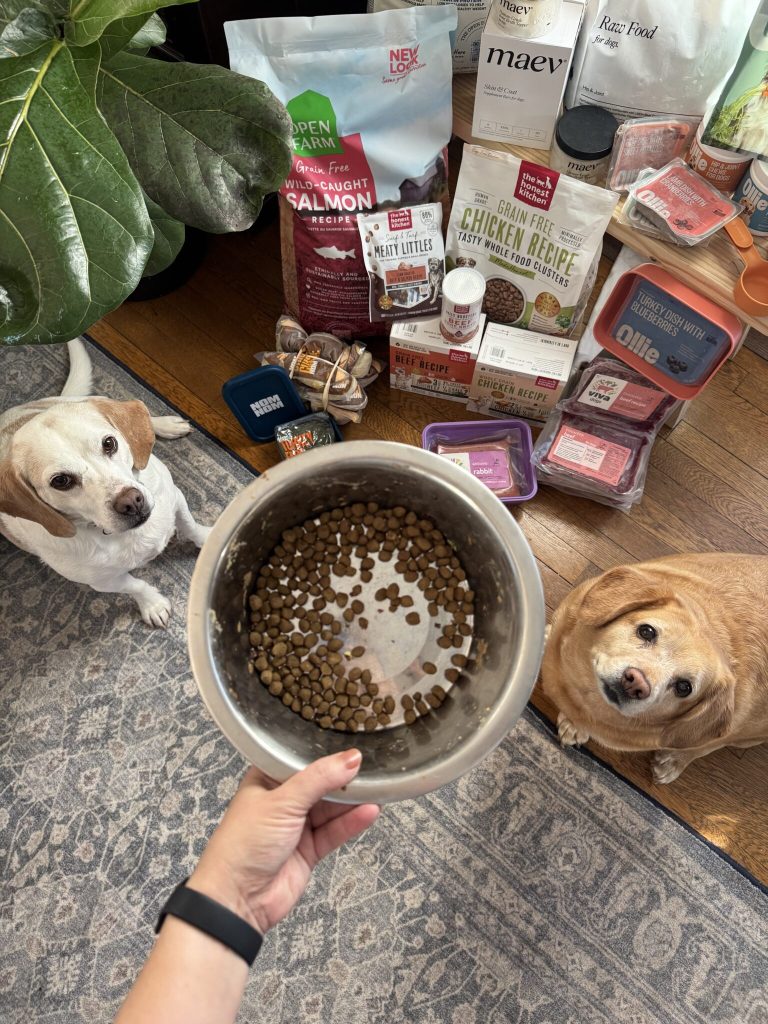
Furthermore, specialized options like raw diets or cooked home recipes are becoming trends worth exploring for those wanting to provide something beyond traditional choices. Always remember, though, that a veterinarian’s input is invaluable when transforming your pet’s diet, as they can help balance nutritional needs specific to your pet’s age, breed, and health conditions.
DISCOVER MORE: Click here to learn effective strategies
The Nutritional Landscape: Natural vs. Commercial
As pet owners strive to make the best dietary choices for their animals, the distinction between natural food and commercial feed becomes increasingly illuminated. Understanding the intricate details of these options can empower pet owners to make insightful decisions that cater to their pets’ unique nutritional needs.
Natural foods often showcase a composition that reflects whole ingredients, free from artificial additives and preservatives. For those interested in maximizing their pet’s health, these foods typically feature fresh meats, organic produce, and minimal processing. This point brings us to a significant consideration: with natural diets, pets are likely to absorb essential nutrients more effectively. Nutrient retention is crucial given that essential vitamins, minerals, and proteins play pivotal roles in growth and overall vitality. Many pet owners also report that pets consuming natural foods exhibit improved energy levels, shinier coats, and enhanced digestion.
On the other hand, commercial feed holds a strong position in the market due to its convenience and longevity. The vast variety of brands available can make shopping hassle-free, whether you’re picking up a bag at your local grocery store or ordering from an online pet supply retailer. Many commercial products are also designed with nutritional balance in mind, often formulated with guidance from veterinarians and pet nutritionists. Owners might find it appealing that these products undergo stringent testing to ensure they meet the dietary requirements outlined by organizations such as the Association of American Feed Control Officials (AAFCO).
Weighing the Pros and Cons
Choosing between natural food and commercial feed is rarely a black-and-white decision. Each option presents a range of benefits and drawbacks, focusing on factors that go beyond just ingredients. Here’s a closer look at some highlighted pros and cons:
- Natural Food Pros:
- Promotes optimal nutrient absorption due to minimal processing.
- May reduce allergy and sensitivity issues in some pets.
- Encourages variety and freshness in a pet’s diet, appealing to their natural instincts.
- Commercial Feed Pros:
- Convenient and easy to obtain, making it accessible for busy owners.
- Offers a wide selection of formulations and flavors, appealing to various pet preferences.
- Ensures a consistent and balanced diet is readily available, with less meal prep required.
Pet owners must also consider different dietary needs based on their pet’s breed, age, and health conditions. For instance, puppies may require different nutritional profiles compared to senior dogs, while cats may need specific nutrient ratios depending on their life stage. Engaging with a veterinarian can offer insights tailored to your pet’s individual needs, leading to a balanced approach to nutrition.
As you unpack the pros and cons of each dietary style, don’t hesitate to conduct further research and continually evaluate the impact of these choices on your pet’s health. As the pet food industry evolves, keeping an eye on emerging trends, scientific studies, and nutritional advancements will only enhance your journey towards the best dietary decisions for your beloved companion.
Exploring Natural Food Options for Pets
In recent years, the shift towards natural food for pets has gained momentum as pet owners become more conscious of their furry friends’ health. Natural pet food, characterized by whole ingredients that are minimally processed, boasts a plethora of benefits. Unlike commercial feeds, which often include additives and preservatives, natural food can provide essential nutrients in a digestible form. This not only supports overall well-being but may also lead to improvements in coat quality, energy levels, and even behavioral issues.
Nutritional Comparison
If we dive deeper into the nutritional aspect, natural foods often have higher protein content sourced from meats and vegetables, aligning more closely with a pet’s natural diet. In contrast, commercial feeds may rely heavily on fillers like corn and soy, which could lead to allergies or other health complications in some animals. It’s crucial to examine the labels when selecting food, as the ingredients used can make a significant difference in your pet’s health.
Quality Control and Sourcing
The sourcing of ingredients plays a vital role in pet food quality. Many natural pet food brands emphasize transparency and sustainability in their ingredient sourcing, giving pet owners peace of mind. In contrast, commercial feed often lacks such transparency, leading to concerns about the origin and quality of the ingredients. As pet owners, ensuring that our pets consume wholesome food can lead to not only a longer, healthier life but also a stronger bond as we prioritize their well-being.
Potential Downsides
Despite the advantages of natural diets, it’s important to consider potential downsides. Some owners find natural pet food to be more expensive, which could deter many from making the switch. Additionally, the shift in diet must be handled carefully to prevent digestive issues. Gradual transitions are key to ensuring your pet’s stomach adapts without distress. Always consult with a veterinarian before making significant dietary changes to secure a tailored approach that considers your pet’s specific needs.
| Category | Advantages |
|---|---|
| Natural Food | Whole ingredients that provide essential nutrients without additives. |
| Commercial Feed | Cost-effective but often contains fillers and preservatives. |
As you explore options for your pet’s diet—whether it be natural food or commercial feed—staying informed is crucial. The right choice can lead to a happier, healthier pet, and exploring these differences can empower you to make the best decisions for their needs.
DIVE DEEPER: Click here to learn about essential nutrients for pets
Consumer Awareness and Label Clarity
In today’s consumer-driven market, pet owners are becoming increasingly aware of the importance of ingredient transparency when it comes to choosing between natural food and commercial feed. While the labels on commercial pet food may appear straightforward, they can often be misleading. Terms like “premium,” “natural,” or “holistic” may suggest higher quality or health benefits, yet these terms are not uniformly regulated. Unlike human food, pet food labels can carry significant variations in definition and standards.
Moreover, pet owners should delve deeper into the ingredient lists on commercial feed products. Ingredients are typically listed in descending order based on weight, which can be misleading if a product contains a lot of low-weight fillers like corn or wheat, masking higher-quality meat sources that may appear lower on the list. Research suggests that some commercial brands may rely heavily on these fillers, providing less nutritional value to our pets. This emphasizes the importance of knowledge not just about what goes into the food but how these ingredients are prioritized.
Natural Food: A Closer Look at Preparation
For those contemplating a shift to natural food, understanding the preparation methods is vital. Home-cooked meals provide a great opportunity to customize a diet that aligns with your pet’s taste and health needs. However, it is critical to recognize that creating a balanced homemade diet requires careful planning, as lacking certain nutrients can lead to serious health repercussions over time.
For pet owners exploring natural food options, commercially available raw or freeze-dried food can present a middle ground. These products boast unprocessed ingredients while still maintaining a level of convenience. Such options can be particularly beneficial for those wary of the risks associated with raw meat handling at home while ensuring their pets get the necessary nutrients they require for optimal health.
Cost Considerations
Cost often plays a significant role in the decision-making process. While natural foods can sometimes be more expensive than commercial feed due to the quality of ingredients and lower production volumes, many pet owners view this as a worthwhile investment for their pets’ health. For instance, studies have indicated that pets consuming high-quality diets may experience fewer health issues, potentially leading to lower veterinary costs over time. In contrast, lower-quality commercial feeds can lead to health problems such as obesity, diabetes, and allergies, which may result in expensive treatment costs.
It’s also essential to consider the long-term implications of each feeding choice. Regularly investing in high-quality natural food could save pet owners money on continuous healthcare expenses, ultimately benefitting their pet’s well-being. As pet ownership continues to evolve, understanding the financial landscape of pet nutrition remains a vital component.
Pet Owner Responsibility and Education
Ultimately, the choice between natural food and commercial feed requires a profound level of education and an understanding of specific pet needs. Pet owners are encouraged to engage with their veterinarians, thoroughly read labels, and research ingredient sourcing to ensure informed decisions. The more knowledge that can be gathered regarding product origins, cooking methods, and nutritional value, the better equipped pet owners will be to support their companions’ health.
As the conversation surrounding pet nutrition progresses, the responsibility lies with consumers to advocate for clarity and quality. By staying informed and demanding better options from brands, pet owners have the power to influence the quality of food available on the market, driving improvements that can significantly enhance the well-being of pets across the nation.
DISCOVER MORE: Click here for a complete guide to pet adoption
Conclusion: Making Thoughtful Decisions for Your Pet’s Health
In the debate between natural food and commercial feed, the choice ultimately hinges on a blend of education, awareness, and individual pet needs. While natural foods offer the promise of higher quality ingredients and customized nutrition, they require careful planning and meticulous preparation to ensure a balanced diet. On the other hand, commercial feed presents convenience and accessibility but often comes with misleading labeling and potential fillers that can compromise nutritional quality.
Pet owners must consider the broader implications of their choices— not only the immediate health of their pets but also the long-term consequences on wellbeing and veterinary costs. Investing in high-quality natural food may lead to a healthier life expectancy for pets and, in turn, reduce the likelihood of costly health issues down the line. Moreover, engaging with knowledgeable veterinarians and scrutinizing ingredient labels is imperative in navigating the often murky waters of pet nutrition.
As consumer demand evolves, so too does the market. Pet owners wield significant power in advocating for transparency and quality within the pet food industry. By remaining vigilant and informed, pet owners can drive positive changes that not only enhance the quality of food available but also promote healthier lifestyles for pets across the United States.
Ultimately, whether opting for natural food or commercial feed, fostering a deep understanding of what nourishes our furry companions is essential. Each pet is unique, and making thoughtful, informed decisions ensures they receive the best possible care for a vibrant, happy life.