The Role of Animal-Assisted Therapy in the Recovery of Patients

Understanding the Therapeutic Benefits of Animal Companionship
The integration of Animal-Assisted Therapy (AAT) into healthcare practices has transformed the way we approach patient care. This therapeutic method leverages the bond between humans and animals, allowing trained therapy animals to assist in the healing process for individuals of all ages and varying medical conditions. From children dealing with trauma to elderly patients grappling with loneliness, the presence of gentle and loving animals has been found to foster substantial emotional and physical healing.
One of the most notable benefits of AAT is its capacity for providing emotional support. Numerous studies have documented the positive influence of animals on mental health. For instance, therapy dogs have been shown to help alleviate symptoms of anxiety, PTSD, and depression by providing unconditional love and companionship. Patients often experience a reduction in anxiety levels and an improvement in mood during therapy sessions, indicating the profound psychological support these animals can provide.
Moreover, AAT plays a crucial role in physical rehabilitation. Engaging with therapy animals encourages patients to participate in physical activities, which is essential for recovery. For example, stroke survivors may benefit from the required movement and coordination involved in petting, walking, or playing with a dog. This interaction not only motivates patients to move but also increases their overall physical fitness through enjoyable activities that they might otherwise avoid.
In addition to boosting emotional well-being and physical health, therapy animals are instrumental in promoting social interaction. Many patients in hospitals or nursing homes may feel isolated and disconnected from others. Therapy animals help bridge this gap, as they often act as a social catalyst, enabling conversations and interactions between patients, caregivers, and visitors. This social engagement can lead to improved communication skills and foster a sense of community, which is especially vital in environments where patients may feel vulnerable.
The increasing recognition of AAT is exemplified by its application in various healthcare settings, including hospitals, rehabilitation centers, and even schools. Research continues to support the efficacy of this therapy, with findings often highlighting the emotional and physical benefits attributed to the presence of animals. A notable example is a study conducted by the University of Missouri, which found that interactions with therapy dogs significantly reduced pain levels in hospital patients and contributed to quicker recovery.
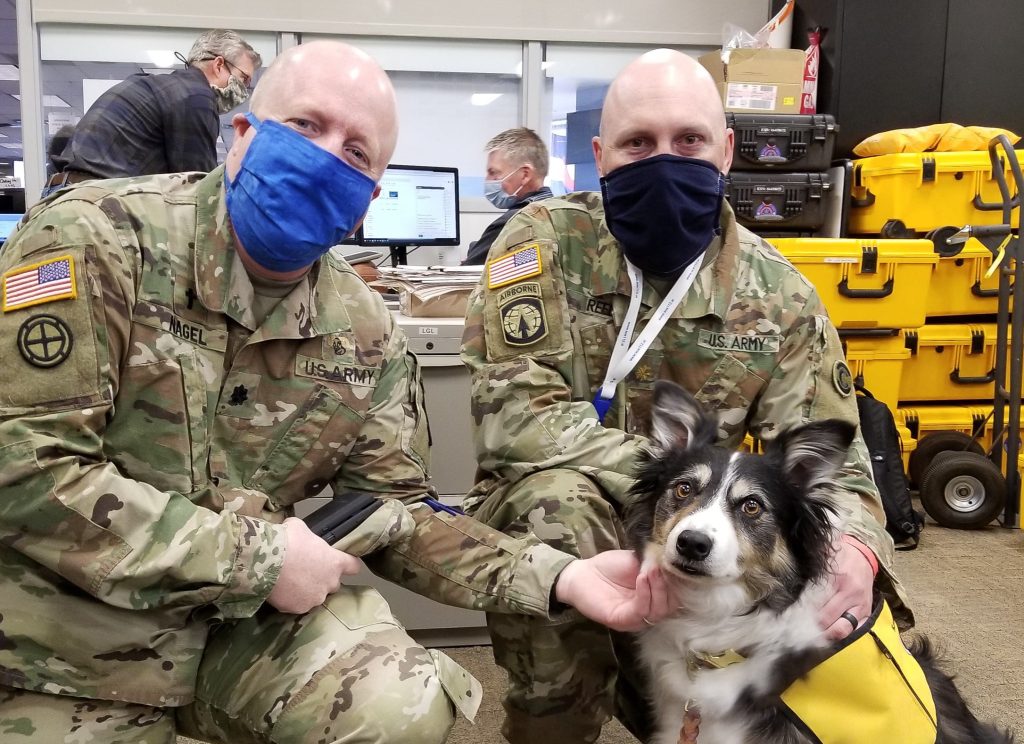
As we examine the remarkable success stories emerging in the field of AAT, it becomes clear that the bond between humans and animals can serve as a powerful tool for healing. Ongoing research promises to enhance our understanding of how these interactions can further integrate into standard healthcare practices, paving the way for innovative approaches to treatment. The potential benefits of Animal-Assisted Therapy extend far beyond what we currently understand, making this an exciting area for continued exploration and development.
DISCOVER MORE: Click here to learn about puppy socialization
The Multifaceted Impact of Animal-Assisted Therapy on Patient Recovery
Animal-Assisted Therapy (AAT) represents a growing field of therapeutic intervention, harnessing the innate bond between humans and animals to promote healing and recovery in patients. The astonishing versatility of this approach allows it to address a broad spectrum of emotional, psychological, and physical issues faced by individuals across diverse clinical landscapes. By exploring the distinctions and benefits of AAT, its impact becomes increasingly relevant to contemporary healthcare practices.
To understand the influential role of AAT in recovery, it’s essential to delve into the specific therapeutic applications that it encompasses:
- Emotional Support: The presence of therapy animals can produce remarkable changes in a patient’s emotional state. Patients undergoing significant stress, trauma, or chronic illness have reported increased feelings of safety and trust when interacting with animals. This connection can lead to a marked decrease in feelings of despair or hopelessness.
- Physical Enhancement: Engaging in activities with therapy animals encourages patients to exercise and move, which is essential for physical recovery. Activities can range from gentle petting and brushing to taking long walks. For physical rehabilitation patients, these interactions can significantly improve their motivation and endurance.
- Cognitive Stimulation: AAT can also aid cognitive function. Animals stimulate patient interaction, prompting conversations and cognitive engagement. This aspect is particularly vital for patients recovering from neurological conditions, such as strokes or traumatic brain injuries.
- Social Connection: Therapy animals serve as an important social bridge in various settings. They can facilitate communication not only between patients and therapists but also among patients, families, and other visitors, thereby reducing feelings of isolation often experienced in clinical environments.
Evidence underpinning the effectiveness of AAT is compelling. Research conducted at various institutions across the United States has showcased the profound and measurable impacts of therapy animal interactions on clinical outcomes. For instance, studies have demonstrated that patients who engaged with therapy animals reported lower levels of cortisol, the stress hormone, alongside experiencing relief from pain and enhanced emotional well-being during their hospital stay. In fact, a substantial study involving various hospitals revealed that patients undergoing AAT sessions experienced shorter recovery times and were more likely to follow rehabilitation protocols effectively.
Furthermore, the integration of AAT into educational settings has brought forth tremendous improvements in the social and emotional intelligence of students facing various challenges. Schools across the nation are embarking on programs that introduce registered therapy animals into classrooms, helping children develop empathy, cooperation, and communication skills. AAT not only benefits patients physically and emotionally but also fosters essential life skills.
The implications of AAT are far-reaching and have sparked innovative thinking among healthcare providers. In light of such compelling evidence, it is no surprise that many health professionals are advocating for the broader implementation of Animal-Assisted Therapy, promoting its incredible potential to contribute to holistic patient care.
| Advantage | Details |
|---|---|
| Emotional Support | Animals provide companionship and help reduce feelings of loneliness and anxiety in patients. |
| Increased Motivation | Interaction with therapy animals can enhance motivation in individuals, encouraging them to participate in therapeutic activities. |
| Physical Benefits | The presence of animals can lead to lower blood pressure and reduced heart rates, contributing to overall health. |
| Social Interaction | Animal-assisted therapy encourages interaction among patients and helps foster communication skills and social connections. |
Animal-assisted therapy (AAT) has emerged as a compelling therapeutic approach that supports various aspects of patient recovery. The integration of animals into treatment plans not only fosters emotional well-being but also serves as a catalyst for physical healing. By actively engaging with therapy animals, patients often experience not just psychological upliftment but also measurable improvements in health indicators such as stress levels and overall physiological responses.Moreover, AAT is particularly beneficial in enhancing social skills among patients, especially those who may struggle with communication or relational issues due to their medical conditions. These therapeutic interactions not only promote a sense of community but also empower patients to express their feelings in a connectable manner. This nurturing environment lays a foundation for improved recovery outcomes.
DIVE DEEPER: Click here to learn more about preventive care
The Therapeutic Mechanisms Behind Animal-Assisted Therapy
Delving deeper into Animal-Assisted Therapy (AAT), understanding the underlying mechanisms that facilitate patient recovery reveals how this unique intervention achieves its profound effects. The interactions between patients and therapy animals tap into several psychological and physiological processes that promote healing, illuminating the intricate connection between human well-being and animal companionship.
One of the most significant mechanisms at play is the release of neurochemicals during interactions with animals. Engaging with a therapy animal can trigger the production of oxytocin, a hormone known as the ‘bonding hormone’. This hormonal response can lead to reduced anxiety and increased feelings of affection, which are crucial for emotional healing. Studies have shown that the act of petting or caring for an animal results in lowered blood pressure and a calmer state of mind, providing a biological basis for AAT’s efficacy in combating stress.
Additionally, AAT has been linked to enhanced motivation and engagement among patients, which is vital for recovery processes. For example, children undergoing treatment for cancer or chronic illnesses often exhibit reluctance to participate in therapies. However, the presence of a trained therapy dog can change that outlook entirely. Children may find themselves eagerly participating in exercises or physical therapy sessions with the animal by their side. This dynamic not only fosters a sense of excitement but also reinforces compliance with rehabilitation programs.
The impact of AAT is not limited to just emotional and psychological therapy; it has also shown promising effects on pain management. Research indicates that patients who partake in AAT report significant reductions in pain perception. This can be attributed to the childlike joy and laughter therapy animals often provoke, which can distract patients from their pain and discomfort. A compelling case study highlighted terminally ill patients in palliative care who experienced less pain and despair during AAT sessions, showcasing how animal companionship can profoundly improve quality of life even in the later stages of illness.
Another point of interest is the potential for AAT to foster resilience and recovery in rehabilitation settings. For patients recovering from substance use disorders, therapy animals can provide much-needed unconditional love and support, fostering a non-judgmental environment where patients can explore their feelings and vulnerabilities. Reports suggest that AAT helps reinforce life skills such as patience, responsibility, and conflict resolution, crucial for long-term recovery and coping strategies.
The utility of AAT extends beyond traditional clinical settings, with innovative programs emerging in community initiatives and veteran support groups. For instance, programs aimed at veterans suffering from post-traumatic stress disorder (PTSD) have shown that therapy animals can drastically improve overall mental health outcomes. Statistics indicate that organizations providing AAT to veterans have noted significant decreases in symptoms of PTSD, as well as improved mood and engagement in social activities, making a compelling argument for its inclusion in veteran recovery programs nationwide.
In summary, the mechanisms behind Animal-Assisted Therapy reveal a complex interplay of emotional, psychological, and physiological benefits that underscore its role in patient recovery. The continuous exploration of these effects is paving the way for greater integration of AAT into various therapeutic contexts in the United States, reaffirming its status as a progressive approach to holistic health care.
DISCOVER: Click here for essential pet care tips
Conclusion
In conclusion, the role of Animal-Assisted Therapy (AAT) in the recovery of patients is emerging as a transformative approach within modern healthcare. By intricately intertwining the profound emotional, psychological, and physiological benefits of human-animal connections, AAT offers a rich tapestry of therapeutic opportunities that enhance patient well-being. From the reduction of stress and pain through neurochemical responses to the cultivation of resilience and coping skills, the positive outcomes linked to AAT are well documented.
Moreover, as healthcare systems in the United States increasingly embrace holistic treatment modalities, the incorporation of therapy animals is proving essential in various recovery settings, including pediatric oncology and veterans’ rehabilitation programs. The evidence supporting AAT’s efficacy not only emphasizes its role in alleviating symptoms of anxiety and depression but also showcases its ability to motivate patients and encourage active participation in their recovery processes.
As research in this field continues to evolve, it opens the door for further exploration into how Animal-Assisted Therapy can be implemented in diverse healthcare environments, creating tailored interventions that support a wide array of patient needs. For families, healthcare professionals, and decision-makers, the findings surrounding AAT highlight its promise as a compassionate, effective strategy that fosters healing and improves quality of life. In a world where mental health and emotional support are paramount, AAT stands out as a beacon of hope—inviting us all to consider the profound potential of our four-legged friends in the journey towards recovery.