How Animal Adoption Can Contribute to Reducing Pet Abandonment

The Reality of Pet Abandonment
The heartbreaking reality of pet abandonment sees approximately 6.5 million animals entering U.S. shelters annually. This staggering figure captures the gravity of the issue, revealing that many pets, once loved and nurtured, find themselves without homes through no fault of their own. The reasons behind this phenomenon are multifaceted, with factors including financial difficulties, unexpected life changes, and lack of education about responsible pet care contributing to the alarming trend.
Despite these challenges, only about 3.2 million of these vulnerable animals find forever homes. Tragically, this leaves approximately 1.5 million shelter animals euthanized each year. This number reflects not just the emotional toll on shelter staff and volunteers but also highlights a critical conversation around animal welfare that needs to be amplified within our communities.
The Significance of Adoption
Adopting a pet is not merely an act of kindness; it serves as a solution to the widespread problem of pet abandonment. Each adoption represents a step toward reducing the shelter population, thus directly saving a life. By choosing to adopt, individuals become part of a larger movement advocating for humane treatment of animals, promoting the idea that every animal deserves a loving home.
- Saving a life and reducing the shelter population: By adopting, you open up space for another animal in need. Shelters often operate at full capacity, so every adoption makes a tangible difference.
- Mitigating future abandonment: Adopting helps promote responsible pet ownership. It encourages future pet owners to consider the lifelong commitment that a pet entails, potentially decreasing the number of animals that are abandoned in the future.
- Creating awareness: The act of adopting also raises awareness about the importance of spaying and neutering animals. Many shelters offer low-cost spay/neuter services, which can greatly reduce the number of unwanted litters that contribute to the overpopulation crisis.
A Community Effort
When individuals choose to adopt rather than buy from breeders or pet stores, they send a powerful message about valuing lives. It encourages a mindset shift within the community, emphasizing that rescue animals — whether they are dogs, cats, or even smaller pets like rabbits — can be just as loving and loyal as those obtained from traditional avenues. Numerous campaigns across the United States aim to highlight not just the benefits of pet adoption but also showcase the personalities of animals in shelters, making it easier for potential adopters to find a pet that matches their lifestyle.
Organizations like the ASPCA and Petfinder play crucial roles by connecting pets with potential adopters, providing educational resources, and fostering community engagement. Local shelters also host adoption events and outreach programs, shedding light on the myriad of pets awaiting homes, thus paving the way for a more compassionate attitude towards animal rescue.
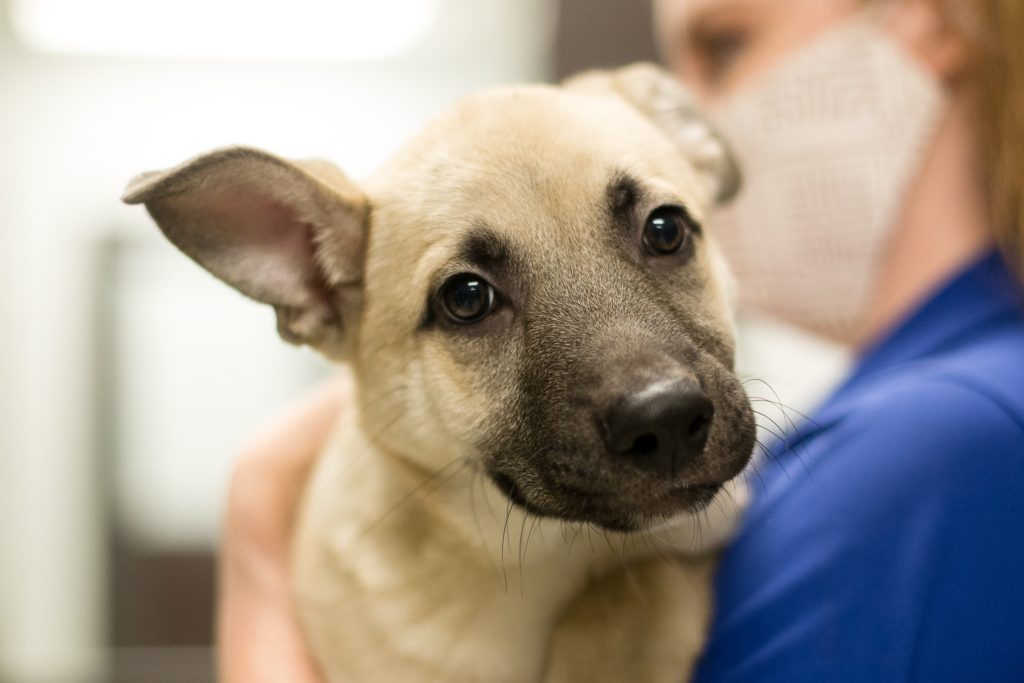
In conclusion, tackling the issue of pet abandonment requires collective action and responsible decision-making. By embracing the practice of adopting pets, we not only save lives but also cultivate a more empathetic society toward our furry companions. Each adoption story holds the potential to inspire others, sparking a chain reaction of compassion and responsibility that can dramatically change the landscape of animal welfare in our country.
LEARN MORE: Click here for essential insights
The Role of Adoption in Saving Lives
Animal adoption is a significant catalyst for change in the battle against pet abandonment. When individuals choose to adopt, they are not just providing a temporary home; they are ultimately becoming part of a solution that tackles long-standing issues within the animal welfare system. Each adopted pet represents a unique story — a blend of hope, healing, and the opportunity for a second chance at life.
The impact of animal adoption on reducing pet abandonment can be analyzed through several lenses, showing just how profound each individual decision can be. Here are some critical ways in which adopting a pet actively contributes to a healthier animal welfare landscape:
- Directly reduces the number of homeless animals: Every time someone adopts a pet, that animal is saved from uncertainty, and a shelter spot opens for another animal in need. In this way, each adoption has a ripple effect, enhancing the lives of both the adopted and the yet-to-be-adopted.
- Emphasizes responsible pet ownership: By adopting, individuals often show a commitment to understanding the responsibilities associated with pet ownership. This leads to more informed decisions about animal care, training, and the financial responsibilities linked to owning a pet, ultimately reducing future instances of abandonment.
- Promotes community involvement: Adoption creates a sense of unity within communities. By attending adoption events or volunteering at local shelters, community members foster a shared commitment to animal welfare. This collective engagement breeds advocacy, resulting in changes to policies and more resources directed towards controlling pet overpopulation.
- Encourages spaying and neutering: Most shelters emphasize the importance of spaying and neutering as part of the adoption process. This critical education reduces the chances of unwanted litters in the future, thereby mitigating the overpopulation crisis that often leads to abandonment.
Furthermore, a significant consideration remains in the statistics surrounding animal homelessness. According to the Best Friends Animal Society, approximately 710,000 animals are entering shelters every year simply because there isn’t enough space for all the pets seeking homes. By choosing to adopt, individuals can directly combat this statistic by making a conscious choice to bring a shelter pet into their lives. This choice can create a snowball effect that inspires others in their circle to contemplate similar life-altering decisions.
Media coverage around animal adoption continues to grow, with initiatives highlighting the stories of shelter animals awaiting homes. Heartwarming campaigns aimed at demystifying animal adoption help potential adopters recognize the bond they can form with a furry companion. Often, these animals are portrayed in a way that showcases their individuality and temperament, making them more relatable and compelling.
In summary, animal adoption is much more than the act of bringing home a new pet; it plays an essential role in addressing the widespread issue of pet abandonment. By providing a loving environment for a shelter animal, adopting individuals contribute directly to a shift in societal attitudes towards responsible pet ownership, community engagement, and the overall advocacy for animal welfare.
Animal adoption plays a crucial role in the ongoing battle against pet abandonment, and it comes with numerous advantages that benefit both animals and society at large. When people choose to adopt rather than shop for pets, they not only provide a loving home but also help alleviate the burden on shelters overwhelmed with abandoned animals. This action creates a ripple effect that can significantly lower the rate of pet abandonment.
| Advantages | Impacts |
|---|---|
| Increased Awareness | Adoption campaigns educate the public about responsible pet ownership. |
| Decreased Overpopulation | By adopting pets, families help reduce the number of animals in shelters waiting for homes. |
Adoption not only saves lives but also promotes a culture of compassion, encouraging others to consider adoption as a viable option. More importantly, it helps to inform potential pet owners about the responsibilities associated with pet ownership, thus reducing impulsive decisions that often lead to abandonment. Statistics show that shelters see a significant drop in surrender rates when the community actively participates in adoption efforts, ultimately leading to healthier, happier pets and families.
Moreover, the emotional benefits of adoption cannot be overstated. Families that choose to adopt often speak about the joy and companionship their new pet brings, reinforcing the bond between humans and animals. Such positive experiences can play a significant role in changing perceptions about abandoning pets in the future. In essence, each adoption is not merely a act of rescuing; it is a step towards a more responsible and caring society.
LEARN MORE: Click here to discover how nutrition impacts your pet’s dental health
Creating a Culture of Compassion Through Adoption
While the immediate benefits of adopting an animal are clear, the broader cultural implications of fostering a responsible approach to pet ownership further exacerbate the fight against pet abandonment. Adoption is not only about giving a homeless pet a place to live; it is about instilling a culture of compassion, empathy, and responsibility within communities. When individuals realize that they can make a tangible difference, they are inspired to be advocates for all animals, thus creating a climate conducive to longer-term change.
One of the most significant facets of creating this culture is education. Many adoption agencies and shelters in the United States organize workshops, seminars, and outreach programs to teach the public about the importance of responsible pet ownership. For instance, organizations such as the American Society for the Prevention of Cruelty to Animals (ASPCA) actively engage in awareness campaigns that not only promote adoption but also educate potential pet owners about the commitment involved in adopting a pet. Familiarizing the public with topics such as training, nutrition, health care, and the importance of spaying/neutering cultivates informed pet owners, ultimately lowering the rates of abandonment.
Moreover, the emotional benefits of animal companionship cannot be overstated. Research has shown that having a pet can significantly improve mental health, reduce stress, and enhance overall well-being. Studies indicate that around 63% of households in the United States own at least one pet, and many of these individuals report the relief and joy that adopting brings not just to their lives, but also to the animal they have saved. This emotional connection can further encourage responsible pet ownership and discourage abandonment. When people develop a bond with an adopted animal, the likelihood of them abandoning the pet diminishes significantly, as they begin to view their pets as family members rather than mere possessions.
Community programs such as “adopt-a-pet” days enhance the visibility of adoptable animals and encourage families to consider adopting. Events held in local parks or community centers often attract families who are not solely focused on the logistics of pet ownership but are also looking for companionship. By providing families with opportunities to interact with shelter animals in a relaxed environment, communities can foster an understanding of the joys that adopted pets can bring into one’s life. Moreover, these events often spotlight success stories of previously abandoned animals finding their forever homes, thus inspiring others to follow suit.
The use of social media has become an invaluable asset for shelters aiming to promote their adoptable pets. Platforms like Instagram and Facebook allow organizations to not only showcase individual pets but also to share heartwarming stories of animals who have been rescued from abandonment and found loving homes. For instance, initiatives like “#AdoptDontShop” gain significant traction, encouraging pet owners to choose adoption over purchasing pets from breeders. This digital advocacy can reach a wide audience and provoke conversations surrounding the importance of adoption, thereby slowly shifting public perceptions towards a more compassionate stance on animal welfare.
In essence, as the culture of adoption grows, the community adopts a mindset that values the lives of animals and recognizes the importance of responsible ownership. By strengthening this culture, communities can work collaboratively to create a sustainable model where pet abandonment is perceived as an unacceptable option. The act of adopting ultimately becomes a powerful statement against abandonment, sending ripples of change across society.
DISCOVER MORE: Click here for helpful tips on choosing the perfect pet
Conclusion: A Collective Responsibility to Mitigate Pet Abandonment
In summary, animal adoption serves as a vital instrument in combating the pervasive issue of pet abandonment. By adopting, individuals are not just saving lives but also aligning themselves with a movement that emphasizes compassion, empathy, and responsible pet ownership. As we’ve explored, the multifaceted benefits of adoption extend beyond the immediate joy it brings to both the pet and the family; they foster a cultural shift towards humane attitudes and conscientious decision-making that shapes communities.
Moreover, educational initiatives organized by shelters—coupled with community engagement events—are crucial in cultivating a deeper understanding of the responsibilities that come with pet ownership. This wealth of knowledge empowers new pet owners to make informed decisions, thereby reducing the likelihood of abandonment. As bonded families recognize the profound emotional and mental health benefits that pets provide, the view of animals transitions from mere possessions to cherished family members, reinforcing the commitment to their well-being.
In the digital age, social media also stands as an indispensable tool, amplifying messages of adoption and inspiring public dialogue on animal welfare. Through platforms focused on sharing poignant stories of rescue and hope, communities can actively partake in advocating for adoption, making it a socially responsible choice. When we collectively embrace and promote the principle of adopting over purchasing, we create a powerful narrative that reverberates, making pet abandonment not just rare, but virtually unthinkable.
Ultimately, the mission to reduce pet abandonment rests on each of us. By adopting and encouraging others to do the same, we are championing a brighter future for animals. Every adoption story writes a new chapter in a collective effort that transcends individual action, paving the way for long-lasting change.