How Proper Nutrition Can Improve the Dental Health of Dogs and Cats
The Impact of Nutrition on Your Pet’s Dental Health
The correlation between nutrition and dental health is a critical consideration that often slips under the radar when it comes to pet care. Our pets rely on us to provide a balanced and nutritious diet, and this choice has lasting implications for their overall health, including their oral hygiene. Awareness of how nutrition can enhance dental health can empower pet owners to make smarter choices that contribute to a longer, healthier life for their furry friends.
Preventing Dental Diseases
Dental diseases, particularly periodontal disease, are prevalent in pets, leading to serious consequences such as tooth loss and systemic health issues. Studies have shown that approximately 80% of dogs and 70% of cats experience some form of dental disease by the age of three. Poor dental health can contribute to other health conditions, such as heart disease and kidney problems, which makes it even more crucial to focus on nutrition.
To combat these issues, the composition of your pet’s diet is paramount. A diet that is rich in essential vitamins, minerals, and high-quality protein sources can significantly strengthen tooth enamel and support healthy teeth and gums. For instance, calcium and phosphorus are vital for maintaining strong teeth, while vitamin C can aid in gum health.
The Role of Chewy Foods
Another factor to consider is the texture of the food. Foods designed to be chewy can effectively help in reducing plaque and tartar buildup. Products like dental chews or kibble formulated for dental health can act as a mechanical toothbrush, scraping away food particles and bacteria as your pet chews.
Nutrients that Promote Oral Health
To further enhance dental hygiene, several specific ingredients have been identified as beneficial:
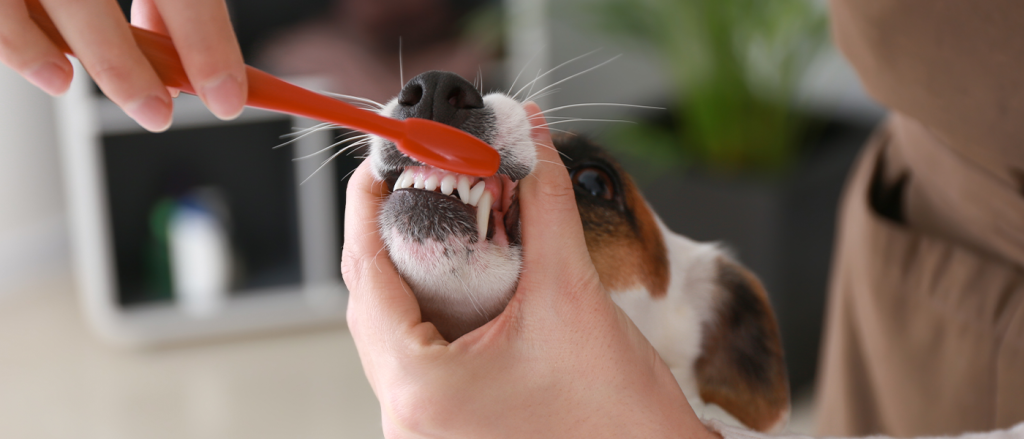
- Fiber: High-fiber foods not only aid digestion but can also help scrub teeth clean as your pet eats, providing a natural cleansing effect.
- Omega Fatty Acids: These healthy fats are known for their anti-inflammatory properties, which can help reduce gum inflammation and promote healthier gums.
- Probiotics: Including probiotics in your pet’s diet can foster a healthy balance of oral bacteria, which may help prevent bad breath and oral infections.
Implementing Nutritional Strategies
By placing a strong emphasis on proper nutrition, pet owners can significantly enhance their pets’ dental health and overall quality of life. Opting for high-quality pet foods, consulting with veterinarians on a balanced diet, and incorporating treats that promote dental health are vital steps. Regular dental check-ups are equally important to monitor oral health and make necessary adjustments to diet.
As we navigate through the intricacies of pet nutrition, remember that small changes can lead to remarkable improvements in our pets’ dental health, subsequently enhancing their contentment and vitality. By being proactive about their diet, we can ensure our beloved companions enjoy happier, healthier lives.
DISCOVER MORE: Click here to learn about positive training for your cat
Understanding the Nutritional Needs for Oral Health
When it comes to promoting dental health in dogs and cats, understanding their nutritional needs is essential. A balanced diet not only assures that your pets are receiving the necessary nutrients but also plays a pivotal role in mitigating potential dental issues. As pet owners, it is vital to recognize that the health of your pet’s mouth is intrinsically linked to what goes into their bowl.
Veterinary nutritionists emphasize the importance of a diet that includes specific nutrients beneficial to oral health. For instance, calcium is critical for the formation and maintenance of strong teeth and bones. Without adequate calcium, pets can suffer from weakened enamel, making them more susceptible to cavities and decay. Additionally, vitamin D enhances calcium absorption and is necessary for overall dental health.
Phosphorus also plays a significant role, as it works alongside calcium to form a solid foundation for tooth structure. These essential minerals can often be found in high-quality commercial pet foods, which are formulated to meet the appropriate nutritional standards set by organizations such as the Association of American Feed Control Officials (AAFCO).
What to Include in Your Pet’s Diet
In crafting a diet that supports dental health, consider the following elements that can contribute to better oral hygiene:
- Whole Proteins: Meat sources should be high on the ingredient list, as protein is vital for overall health and plays a role in keeping gums and teeth healthy.
- Raw Vegetables: Crunchy veggies like carrots and celery can help mechanically clean your pet’s teeth while providing necessary vitamins and fiber.
- Dental Treats: Look for treats specifically designed to support dental health, often containing ingredients that reduce plaque and tartar buildup.
While it may seem tempting to share our human snacks with our pets, many processed foods contain sugars, artificial additives, and other ingredients that can be detrimental to their dental health. Foods high in sugar can lead to increased plaque formation and gum disease, so it’s crucial to choose wisely when selecting treats.
The Importance of Hydration
Don’t overlook the importance of hydration in connection to your pet’s dental health. Fresh, clean water should always be available, as it plays a crucial role in washing away food particles and bacteria that can contribute to dental issues. In addition, some pet owners are turning to water additives that contain ingredients designed to promote oral health. These can help fight bad breath and reduce plaque buildup by creating a more hostile environment for harmful bacteria.
As we delve into the nutrients essential for fostering good dental health in pets, it becomes clear that a well-thought-out diet can forge the path to not just a healthier mouth but also a healthier, longer life. By understanding what supports oral hygiene, pet owners can take proactive steps in building a solid foundation for their furry companions’ overall well-being.
Proper nutrition plays a crucial role in the dental health of our beloved pets, dogs and cats alike. A diet rich in essential nutrients can effectively combat dental diseases such as plaque buildup and periodontal disease, which are common ailments among pets. Incorporating specific ingredients into their meals can not only enhance their overall health but also promote strong teeth and healthy gums.
| Dental Health Benefit | Nutritional Component |
|---|---|
| Reduced Plaque Formation | High-fiber foods help scrape off plaque |
| Strengthened Gums | Vitamin C supports gum strength and healing |
Furthermore, choosing high-quality, well-balanced pet foods that contain omega fatty acids can reduce inflammation in the mouth and improve overall dental hygiene. Crunchy kibble can also promote oral health by mechanically cleaning teeth as pets chew, making it a beneficial option for feeding. Regular dental check-ups paired with a proper diet can create a powerful alliance in the fight for your pet’s dental well-being.
Engaging in discussions with a veterinary professional about the ideal diet tailored for your pet’s specific needs can unearth valuable insights on meal options that foster not only enhanced dental health but a happier life overall. Invest in your pet’s health today through nutrition that speaks volumes!
LEARN MORE: Click here to find out about essential nutrients
Choosing the Right Food for Dental Care
When aiming to improve the dental health of dogs and cats, selecting the right food plays a vital role. Not all pet foods are created equal, and many athletic pet owners and breeders have made the switch to premium or veterinarian-recommended brands that prioritize oral health. These formulations often include added ingredients specifically focused on combating plaque and tartar buildup. For instance, foods with specific kibble shapes and sizes can promote chewing, acting as a natural toothbrush for pets.
Furthermore, some commercial pet foods benefit from an endorsement by the Veterinary Oral Health Council (VOHC). Animals consuming VOHC-approved products can experience less plaque and tartar accumulation, which leads to healthier teeth and gums. It is advisable for pet owners to look for this seal when selecting daily meals and treats.
Natural Remedies for Oral Health
In addition to commercial food options, there are natural remedies that can significantly enhance your pet’s dental hygiene. Certain herbs and oils, such as peppermint and coconut oil, have antibacterial properties that can help maintain oral cleanliness and freshness. Incorporating these into their diet, whether through treats or homemade meals, can provide a holistic approach to their dental care.
Homemade diets are also becoming increasingly popular among pet owners who wish to have more control over their pets’ nutrition. When crafting a homemade meal, it is crucial to consult with a veterinarian or a pet nutritionist to ensure all nutritional requirements are met. This way, one can incorporate ingredients known for partners in oral health, such as pumpkin, which is rich in nutrients and can help in mixed diets.
Regular Dental Checkups and Nutrition
While proper nutrition serves as the first line of defense in promoting dental health, it should not replace routine dental checkups. Regular vet visits are key to monitor your pet’s dental condition and detect early signs of dental disease. During these checkups, veterinarians can also provide guidance on necessary dietary changes based on individual health needs.
Furthermore, pet owners should incorporate dental care products into their routines. Options include dental wipes, water additives, and veterinary-approved toothpaste specifically formulated for pets. Using these items alongside a healthy diet can enhance the overall effectiveness of your pet’s oral care routine.
Monitoring Your Pet’s Oral Health
Being vigilant about your pet’s oral health starts with paying attention to subtle changes in their behavior or appearance. Bad breath, difficulty chewing, or red and swollen gums can indicate underlying dental issues. A nutrient-rich diet, combined with regular oral health monitoring, enables pet owners to tackle these problems before they escalate.
In sum, understanding how proper nutrition can lead to improved dental health in dogs and cats is a multi-faceted approach. It involves not only selecting the right food and natural remedies but also engaging in preventative care through regular vet visits and at-home maintenance. By taking these steps, pet owners can help their furry companions enjoy a long life characterized by not just healthy teeth but overall wellness.
LEARN MORE: Click here to discover the benefits of a balanced diet for your pet
Conclusion
Ensuring optimal dental health for dogs and cats involves more than just the occasional tooth brushing or vet visit; it fundamentally begins with proper nutrition. As explored throughout this article, the correlation between diet and dental hygiene is significant, impacting not only plaque and tartar buildup but also overall wellbeing. By choosing quality pet foods that feature VOHC approval and ingredients designed to promote oral health, pet owners can make informed choices that foster healthier teeth and gums.
Furthermore, supplementing these dietary measures with natural remedies such as herbs and oils can further enhance dental care strategies. Crafting a balanced diet—whether homemade or commercially prepared—requires due diligence and professional guidance to ensure all nutritional needs are met while incorporating beneficial components for oral health.
Lastly, the significance of regular veterinary checkups cannot be overstated. They provide critical monitoring of your pet’s dental condition and create opportunities for early intervention, highlighting the importance of integrating preventative dental care into your pet’s routine.
With concerted efforts in nutrition and sanitation, pet owners can significantly contribute to their furry friends’ dental health, allowing them to lead fulfilling lives free from the discomforts of dental issues. By prioritizing these practices, you offer your pets not just healthier teeth, but a sustained quality of life that reflects their needs for attentive care.