How the home environment can affect the physical and mental health of pets

The Importance of Home Environment on Pets
Our homes are more than just shelter; they serve as crucial environments where our pets thrive or struggle. An ordinary living space can either nurture physical and mental health or contribute to distress and discomfort. A well-considered home environment can significantly enhance the lives of our furry companions, making it essential for pet owners to understand the various dynamics at play.
Understanding how various factors within the home environment influence pets is key for responsible pet ownership. Consider the following elements:
- Noise Levels: High volumes, whether from loud music, television shows, or even nearby construction, can lead to anxiety and stress in pets. For instance, many dogs are particularly sensitive to thunder and fireworks, which can provoke panic attacks. Creating quieter zones or using soundproofing techniques can help manage noise levels.
- Space and Mobility: Cramped quarters may hinder physical activity. Pets, especially larger breeds like Labradors or Golden Retrievers, require ample room to move around and engage in play. A lack of space can lead to obesity, which can, in turn, cause various health issues. Providing designated areas for exercise and play can promote the physical fitness of pets.
- Social Interaction: Isolation can cause behavioral issues. Pets are social creatures by nature. For example, a cat left alone for hours may develop destructive tendencies or depression. Ensuring regular interaction, whether through family engagement or other pets, can enhance their social skills and reduce issues arising from loneliness.
- Cleanliness: A dirty environment may lead to health risks. Pet owners should regularly clean their pets’ spaces, including bedding, litter boxes, and feeding areas. A clean environment not only prevents illness but also fosters a sense of comfort for pets, allowing them to feel secure in their habitat.
Research indicates that the quality of a pet’s living space directly correlates with their behavior and overall well-being. For instance, pets in calm, clean, and stimulating environments tend to display fewer behavioral problems. A 2021 study revealed that dogs raised in homes with minimal stressors were less likely to exhibit aggression or anxiety.
This article delves deeper into the connection between home environments and pet health, offering insightful perspectives and tips for creating the ideal living conditions. From incorporating engaging toys and puzzles to designing a cozy nook for relaxation, the possibilities are vast. Join us as we explore how simple changes can lead to happier, healthier pets and transform their daily lives into more fulfilling experiences.
DISCOVER MORE: Click here for essential exercise tips for your pet!
Elements of the Home That Influence Pet Health
The impact of the home environment on our pets’ physical and mental health cannot be overstated. Every facet of the living space, from design layout to daily routines, plays a critical role in shaping a pet’s well-being. Below, we explore key components that can make or break a healthy atmosphere for our animal companions.
1. Temperature and Comfort
A comfortable temperature is vital for maintaining the health of pets. Extreme heat or cold can pose significant risks, especially for certain breeds. For instance, short-nosed breeds like Bulldogs or Pugs may struggle to breathe adequately in high temperatures, while some large breeds may be susceptible to joint pain in cold conditions. Attending to humidity and airflow inside the home ensures a stable climate conducive to pets’ comfort. Installing air purifiers can also benefit pets by filtering out allergens, while cozy, designated areas with soft bedding provide them a retreat from household chaos.
2. Enrichment and Mental Stimulation
Pets thrive on mental stimulation, and a lack thereof can lead to boredom and behavioral issues. For example, dogs that don’t receive enough stimulation may resort to destructive behaviors, such as chewing furniture or excessive barking. Incorporating play tunnels for cats, interactive toys, and routine exercise can foster cognitive development while maintaining physical health. Owners should consider creating an environment that includes:
- Puzzle feeders: These provide a fun challenge and encourage slow eating.
- Engaging toys: Rotating toys regularly prevents boredom and keeps them excited.
- Natural elements: Indoor plants, pet-safe barriers, or climbing structures for cats can satisfy their instinctual behaviors.
3. The Role of Routine
Pets benefit from a predictable routine, much like humans. Scheduled feeding times, regular exercise, and even set times for play can create a sense of security. Disruptions in this routine can lead to anxiety, especially in dogs who are creatures of habit. A recent survey found that 84% of pet owners noted improved behavior in their pets when consistent daily schedules were maintained. Thus, establishing a routine that fosters regular activities can significantly enhance pets’ mental stability.
4. Safety and Security
Creating a secure environment is paramount. Pets who feel threatened or insecure may exhibit stress or aggression. Ensuring that the living space is safe from hazards—like toxic plants, choking risks, or areas for escape—can alleviate worry for both pets and owners. Moreover, designating a safe, quiet place where pets can retreat during busy household moments can foster their feeling of security.
Overall, the interplay of temperature, stimulation, routine, and safety in our homes plays a pivotal role in the physical and mental health of pets. By consciously shaping these aspects, pet owners can lay the foundation for a happier, healthier life for their furry friends.
As we continue to explore the intricate relationship between pets and their home environments, it becomes increasingly evident that various factors can significantly impact their physical and mental health. In particular, the inclusion of stimulating elements in a pet’s living space can lead to enhanced well-being. Pets thrive in environments that encourage play and exercise, which are crucial for maintaining their physical fitness. Indoor spaces that incorporate climbing structures, interactive toys, and designated activity zones not only promote physical health but also challenge their mental capabilities.Moreover, the aspect of environmental safety cannot be overstated. A stable and secure home environment significantly reduces stress levels in pets. For instance, measures such as securing hazardous materials, maintaining a clean area free of sharp objects, and providing safe, chew-proof items help prevent injuries. This is essential for both mental and physical health, as pets that feel secure are less likely to exhibit anxiety-driven behaviors.Let’s delve deeper into some specific factors that illustrate how the home environment can shape your pet’s overall health.
| Category | Impact on Pet Health |
|---|---|
| Physical Activity | Engaging pets in active play contributes to their physical fitness and helps prevent obesity. |
| Mental Stimulation | Providing puzzles and interactive toys can reduce anxiety and promote cognitive development. |
| Safety Features | A secure environment minimizes the risk of injury and promotes a sense of safety. |
| Social Interaction | Frequent interaction with humans and other pets can enhance emotional health. |
Investigating how the home environment shapes pet health can lead to better informed pet ownership practices, ensuring our beloved companions not only survive but thrive in our homes. As we continue to unravel these connections, it is crucial to remain aware of environmental factors that can either enhance or hinder our pets’ well-being.
DISCOVER MORE: Click here for tips on choosing the perfect pet for your family
Adequate Space and Social Interaction
The layout and space allocation within a home can profoundly impact a pet’s overall health. Ample room for movement allows pets, particularly dogs, to engage in natural behaviors like running or playing. A cramped environment can lead to restlessness and frustration, which can manifest in negative behaviors. A study from the Purdue University College of Veterinary Medicine found that dogs who had access to a yard or a designated play area exhibited significantly lower levels of anxiety compared to those confined to limited spaces. This emphasizes the importance of a structured environment that promotes physical activity.
1. The Importance of Social Interaction
Pets are inherently social beings, and the quality of social interactions they receive plays a vital role in their mental health. Loneliness can lead to issues like depression or anxiety in pets. Engaging in playtime with the pet, as well as providing opportunities for interaction with other animals, can help reduce feelings of isolation. For pet owners who work long hours, considering options such as pet daycare or hiring a dog walker can ensure that pets receive the necessary social engagement. According to the American Kennel Club, pets that have regular social interactions exhibit lower stress levels and are generally more well-adjusted.
2. The Impact of Noise and Activity Levels
Household noise levels can significantly affect a pet’s behavior and emotions. Dogs and cats, known for their acute senses, can be easily startled by loud sounds, whether from the television, music, or household appliances. According to an article published in the Journal of Veterinary Behavior, pets exposed to high noise levels often show increased anxiety and signs of stress. Creating a peaceful atmosphere with minimal disruptive sounds can make a noticeable difference in a pet’s demeanor. Incorporating calming music designed for pets or using soundproofing techniques can help create a serene sanctuary.
3. Nutrition and Food Environment
The type of food provided and the overall feeding environment can also affect pets’ well-being. Ensuring adequate nutrition plays a crucial role in maintaining a robust physical condition. Pet owners should aim to provide a balanced diet tailored to their pet’s specific needs, taking into consideration factors like age, breed, and any pre-existing health issues. Furthermore, feeding pets in a quiet, low-traffic area can reduce anxiety during meal times, allowing them to focus on eating without distractions.
4. Influence of Human Interaction and Affection
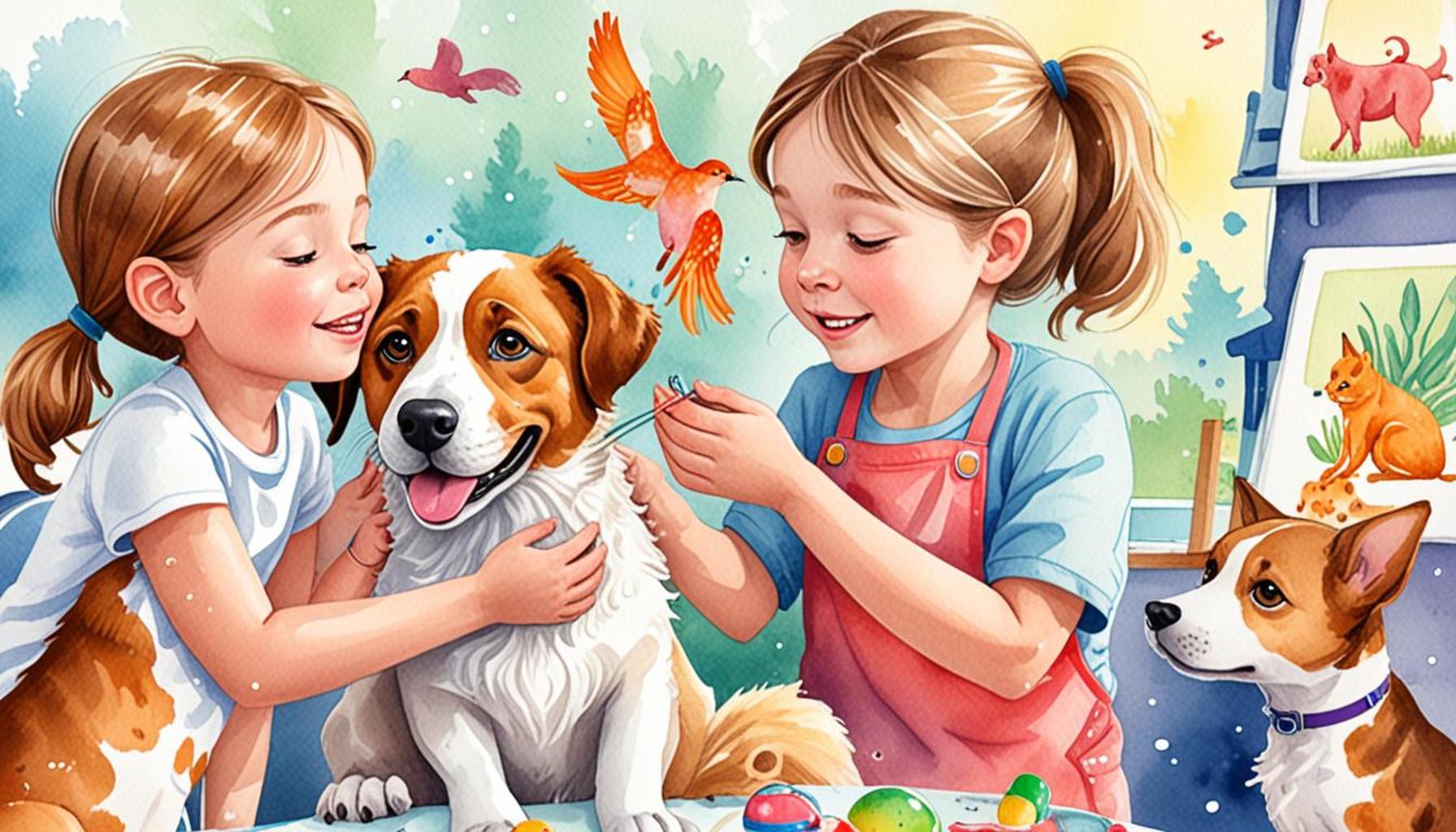
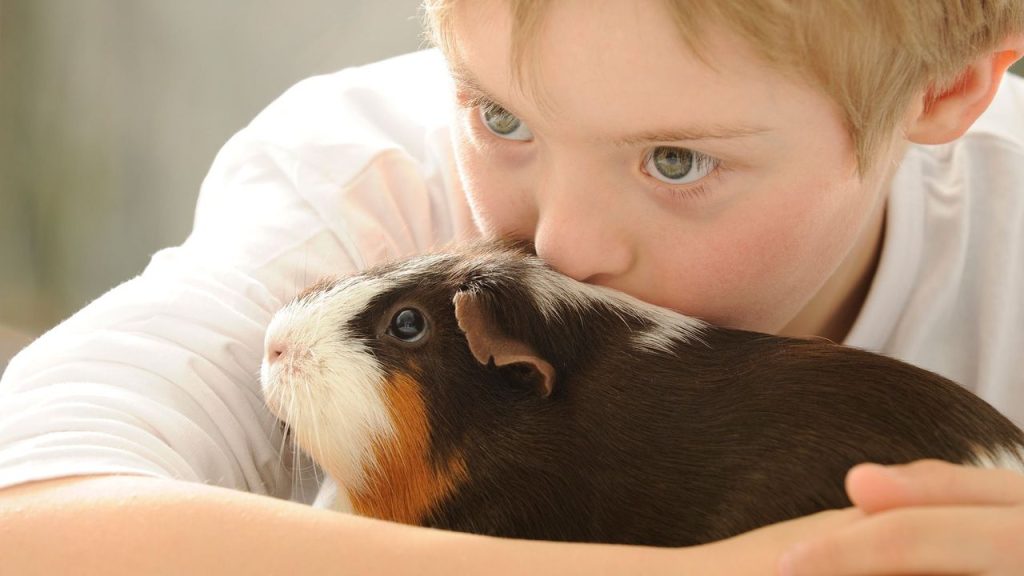
The bond between pets and their owners is immensely impactful on the animals’ mental health. Regular human interaction, through simple acts like petting, cuddling, and playful engagement, is vital. Research indicates that pets who experience higher levels of affection from their owners are generally happier and exhibit fewer behavioral problems. According to a national survey conducted by the American Pet Products Association, nearly 73% of pet owners said that they believe their pets crave affection. This highlights the necessity of fostering emotional connections in the household.
In sum, the aspects of space, social engagement, sound levels, nutrition, and human affection shape the overall environment in which pets live. By remaining aware of these factors and adjusting them accordingly, pet owners can pave the way for their furry companions to lead healthier, happier lives.
DIVE DEEPER: Click here for essential tips on choosing the perfect pet
Conclusion
In navigating the multifaceted relationship between pets and their home environment, it becomes evident that the physical and mental well-being of our furry friends is profoundly influenced by various factors. From providing adequate space and encouraging social interaction to maintaining a calm atmosphere and ensuring proper nutrition, each element plays a critical role in fostering healthier pets. Moreover, the undeniable bond between pet owners and their companions through affection and engagement can transform a pet’s emotional health, leading to happier and more well-adjusted behaviors.
Understanding that environmental aspects extend beyond mere comfort encourages pet owners to create a stimulating and supportive home. Whether it’s through enriching their surroundings, offering social activities, or addressing dietary needs, small adjustments can make significant differences in a pet’s life. For instance, implementing strategies to reduce noise pollution can minimize anxiety, while inviting play and companionship can defeat feelings of loneliness.
The key takeaway is to remain observant and proactive, adjusting our home’s dynamics to embrace a pet’s unique needs. This holistic approach not only cultivates physical health but also nurtures mental stability, leading to a fulfilling life for our beloved pets. As responsible guardians, we hold the power and responsibility to ensure that our living spaces contribute positively to their overall quality of life. By prioritizing their environment, we can truly enrich their experiences and forge stronger bonds that make pet ownership a rewarding journey.