How to Teach Basic Dog Tricks Effective Training Tips
Teaching your dog basic tricks is not just a fun activity; it significantly enhances your pet’s mental stimulation and strengthens the bond between you and your furry companion. A well-trained dog is often happier, more confident, and better behaved, making training a vital aspect of pet ownership. In this article, we will explore effective training tips that will help you elevate your dog’s skills in no time.
Understanding the Importance of Training
Training your dog comes with numerous benefits, including:
- Improved Behavior: Teaching commands helps prevent behavioral issues.
- Enhanced Communication: Establishing a rapport through cues leads to better understanding.
- Increased Safety: Trained dogs are less likely to act out in potentially dangerous situations.
Get Ready for the Top 5 Tricks
With the right approach, your dog can master a variety of tricks. The following sections will introduce you to the top five tricks every dog should know, along with practical tips for successful training sessions. Prepare to discover the exciting world of dog training and unleash your pet’s full potential!
Top 5 Tips on How to Teach Basic Tricks to Your Dog: Effective Training Tips
Teaching your dog basic tricks is more than just a fun pastime; it’s a valuable investment in strengthening your bond with your canine companion. Beyond just entertainment, training your dog in these fundamental commands can significantly improve their obedience and socialization skills. Whether you desire a playful performance or aim for a disciplined dog, these top five tips will guide you through effective training techniques. With patience and consistency, you and your dog can achieve a harmonious understanding that benefits both sides of the leash.
5. Create a Positive Training Environment
Creating a positive training environment is the bedrock upon which successful training is built. This involves selecting a tranquil setting that allows your dog to focus solely on you without being distracted by noise, unfamiliar people, or other pets. A familiar territory, such as your living room or backyard, can be perfect for this. When your dog is comfortable, they are more receptive to learning new behaviors.
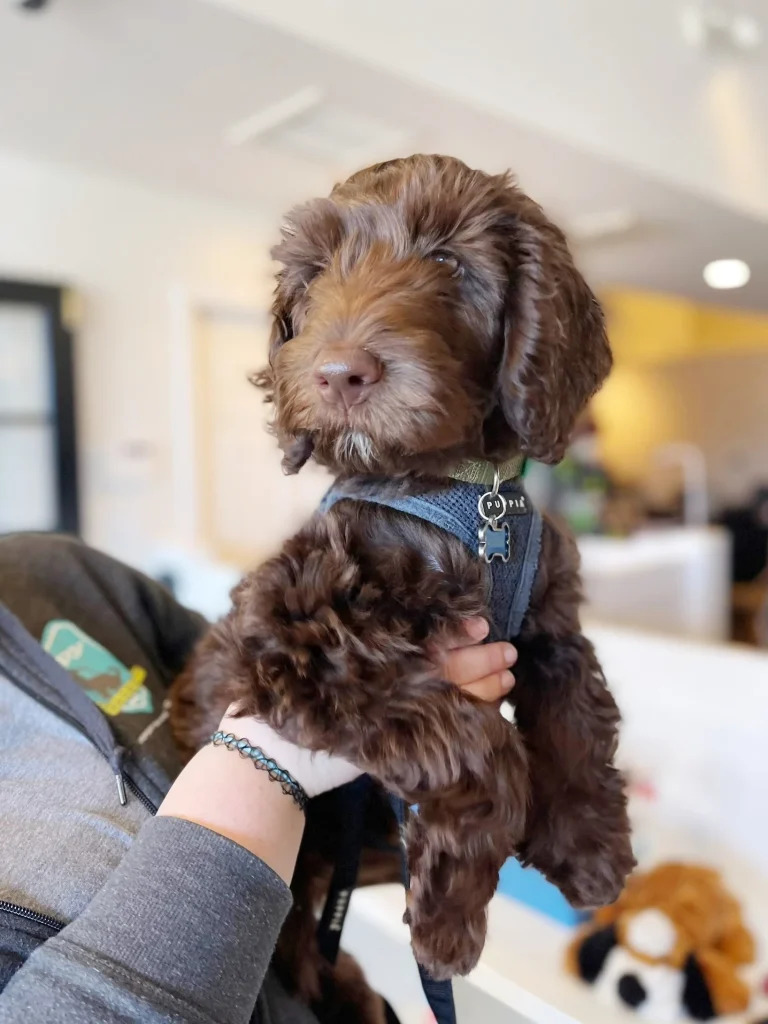
To enhance this environment, consider using some treats and toys that your dog finds irresistible. These reward tools act as incentives, encouraging your dog to perform the desired actions. Opt for small, bite-sized treats that can be quickly consumed, preventing any interruption in the flow of learning. Through positive reinforcement, your dog associates the action with a pleasurable outcome, making the training process both effective and enjoyable.
4. Use Consistent Commands
Consistency is an essential principle in teaching a dog new tricks. Dogs thrive on clear, unambiguous instructions, so it is vital to employ simple, consistent verbal commands throughout the training process. For example, if you’re teaching your dog to “sit,” always use the same word to avoid confusion and reinforce understanding.
In addition to verbal cues, integrate hand signals to provide your dog with visual guidance. This dual approach allows dogs to associate the desired action with both auditory and visual signals, reinforcing the learning. Ensure that all family members use the same commands and signals to prevent mixed messages and confusion.
- Choose commands that are easy to articulate and remember.
- Use distinct hand signals for every command.
- Focus on standard commands like “sit”, “stay”, “come”, and “down” as foundational exercises.
3. Start with Simple Tricks
With a positive environment established and consistent commands in place, it’s time to initiate teaching simple tricks. Starting with basic commands lays a robust foundation for more advanced training sessions later on. Tricks such as “sit” or “stay” offer straightforward tasks that can be easily reinforced through repetition.
Keeping the sessions brief and engaging is crucial to maintain your dog’s focus and enthusiasm. Aim for training stints of about 5 to 10 minutes, repeating two or three times daily. Dogs have short attention spans, and breaking up the sessions ensures they remain interested and eager. The more your dog enjoys these interactive moments with you, the swifter their progress will be.
2. Use Positive Reinforcement
The most effective method for teaching and encouraging new behaviors is positive reinforcement. This technique entails rewarding your dog for executing the desired behavior by providing a treat, verbal encouragement, or even a brief play session. Positive reinforcement hinges on creating a positive association with the desired action, compelling your dog to repeat it.
For example, when your dog successfully sits on command, instantly offer a treat coupled with verbal praise to affirm this behavior. By rewarding them immediately, you help your dog understand the correlation between the command and the positive result. It is critical to refrain from using punishment or negative reinforcement, as these can instill fear and anxiety, which are counterproductive to a positive learning experience.
1. Be Patient and Consistent
The significant cornerstone of teaching your dog tricks is maintaining patience and consistency. Just like humans, dogs vary in their learning paces, and some may take longer to grasp certain commands than others. It is important to remain calm and composed, as your attitude significantly impacts your dog’s receptiveness to learning.
Celebrate each minor success achieved during training, as these small victories signify progress. If frustrations mount, take a break. Training should be a rewarding and positive experience both for you and your dog. Patience and encouragement are essential throughout the learning journey, ensuring that the sessions are enjoyable and fruitful. The process of teaching tricks not only enhances your dog’s abilities but also deepens the relationship between you and your furry friend, enhancing mutual understanding and respect.
By following these tips, you are well on the way to effectively teaching your dog basic tricks. Celebrate progress continually, no matter how incremental, as each small step enhances the understanding between you and your canine companion. Ultimately, the shared experiences and moments of achievement enrich the bond you share, paving the way for a rewarding partnership full of mutual respect and loyalty.
| Category | Details |
|---|---|
| Positive Reinforcement | Utilizing treats and praise to encourage good behavior significantly enhances a dog’s learning experience. This method creates a positive association with the desired action, making the dog more likely to repeat it. |
| Consistency in Commands | Using the same words and phrases for commands is crucial. Inconsistent commands can confuse dogs and slow down their learning process, so it’s important to standardize training language. |
| Short Training Sessions | Dogs often have short attention spans. Therefore, keeping sessions brief (around 5-10 minutes) and frequent can significantly boost engagement and retention of tricks. |
| Socialization and Environment | Training in various settings and with different people and dogs helps maintain focus and teaches the dog to apply its skills in a variety of situations. This can build confidence and adaptability. |
In the domain of dog training, these critical elements deserve attention. **Positive reinforcement** stands out as a scientifically backed methodology, encouraging behavior through the promise of rewards. This emotional and physiological interplay not only fosters a strong bond between owner and pet but also makes learning a joyous affair. Furthermore, the significance of **consistency in commands** cannot be overstated. Dogs thrive on predictability. When commands shift—say, ‘sit’ becomes ‘sit down’—the confusion may hinder their responsiveness. Adopting a lexicon that both the trainer and the dog can effortlessly follow builds a foundational language unique to their relationship.Moreover, the landscape of dog training is nuanced by the concept of **short training sessions**. Experts suggest that shorter bursts of learning cater to the canine attention span effectively, akin to studying in brief, focused intervals rather than long, exhaustive lectures. Each session’s regularly timed nature helps dogs absorb information better, minimizing frustration.Lastly, the dynamic aspect of **socialization and environment** plays a pivotal role in the learning curve. Exposing dogs to diverse contexts and social situations challenges them to generalize their learned behaviors, which can enrich their experience and behavioral repertoire.By exploring these categories, dog owners can establish a robust framework for effective training, ensuring that their furry companions not only learn but thrive.
Frequently Asked Questions about Teaching Your Dog Basic Tricks
How long does it usually take to teach a dog a new trick?
The time it takes to teach a dog a new trick can vary widely depending on the dog’s age, breed, prior training experience, and the complexity of the trick. On average, most dogs can learn a simple trick within a week with consistent training. It is essential to keep training sessions short, typically 5 to 10 minutes each day, and to maintain a positive and patient attitude throughout the process.
What is the most effective reward for training my dog?
Dogs are generally motivated by treats, praise, and toys. It’s crucial to identify what your dog finds most rewarding. For some, food treats are the ultimate reward, while others might prefer playtime with a favorite toy or verbal praise. Using a high-value reward can significantly enhance your dog’s learning experience.
Can older dogs learn new tricks just as well as puppies?
Absolutely! The saying “you can’t teach an old dog new tricks” is a myth. While it might require a bit more patience, older dogs are fully capable of learning new tricks if the training is conducted in a way that suits their pace and considers any physical limitations they might have.
Should training be done in a specific environment?
Initially, it is beneficial to start training in a quiet, distraction-free environment to ensure your dog can focus entirely on learning. Once your dog becomes more confident with the trick, gradually introduce distractions to help your dog generalize the behavior in different settings.
What should I do if my dog seems uninterested in learning tricks?
If your dog shows a lack of interest in learning, consider assessing the training conditions. Ensure sessions are engaging, short, and positive. You might need to adjust the reward or find a time when your dog is naturally more energetic. If problems persist, it may be helpful to consult with a professional dog trainer for tailored advice.
Conclusion: Unlocking Your Dog’s Potential
Teaching your dog basic tricks is not merely about impressing friends and family with your pet’s new skills. Rather, it is an effective way to strengthen the bond between you and your furry companion while enhancing their mental and physical well-being. Throughout the article, we explored several key strategies that can significantly aid in this process.
First and foremost, consistency in training sessions is vital. Ensuring that commands, rewards, and routines are unvaried helps your canine friend to learn more efficiently. Coupled with this, patience and positivity, underscored by the use of treats and praise, create a supportive learning environment. It’s important to remain patient as each dog learns at their own pace, ensuring the experience is enjoyable for both the trainer and the trainee.
Additionally, the importance of understanding your dog’s individual personality cannot be overstated. Recognizing what motivates your dog is crucial in tailoring a successful training plan. Whether it’s treats, toys, or verbal praise, each dog responds differently, and recognizing this can enhance training outcomes.
Furthermore, setting realistic goals and scaling the complexity of tasks progressively keeps the training sessions engaging and challenging. This step-by-step approach prevents frustration for both parties and keeps the momentum going.
Investing time in teaching your dog basic tricks yields a myriad of benefits including improvement in their behavior, increased confidence, and an unbreakable bond between pet and owner. As pet owners, it is our responsibility to enrich our dogs’ lives, and effective training is an invaluable tool in this regard.
While this guide provides a comprehensive starting point, the journey of learning is ongoing. Keep exploring new tricks, adapt to your dog’s evolving needs, and relish the mutual growth that comes with this rewarding journey. Happy training!