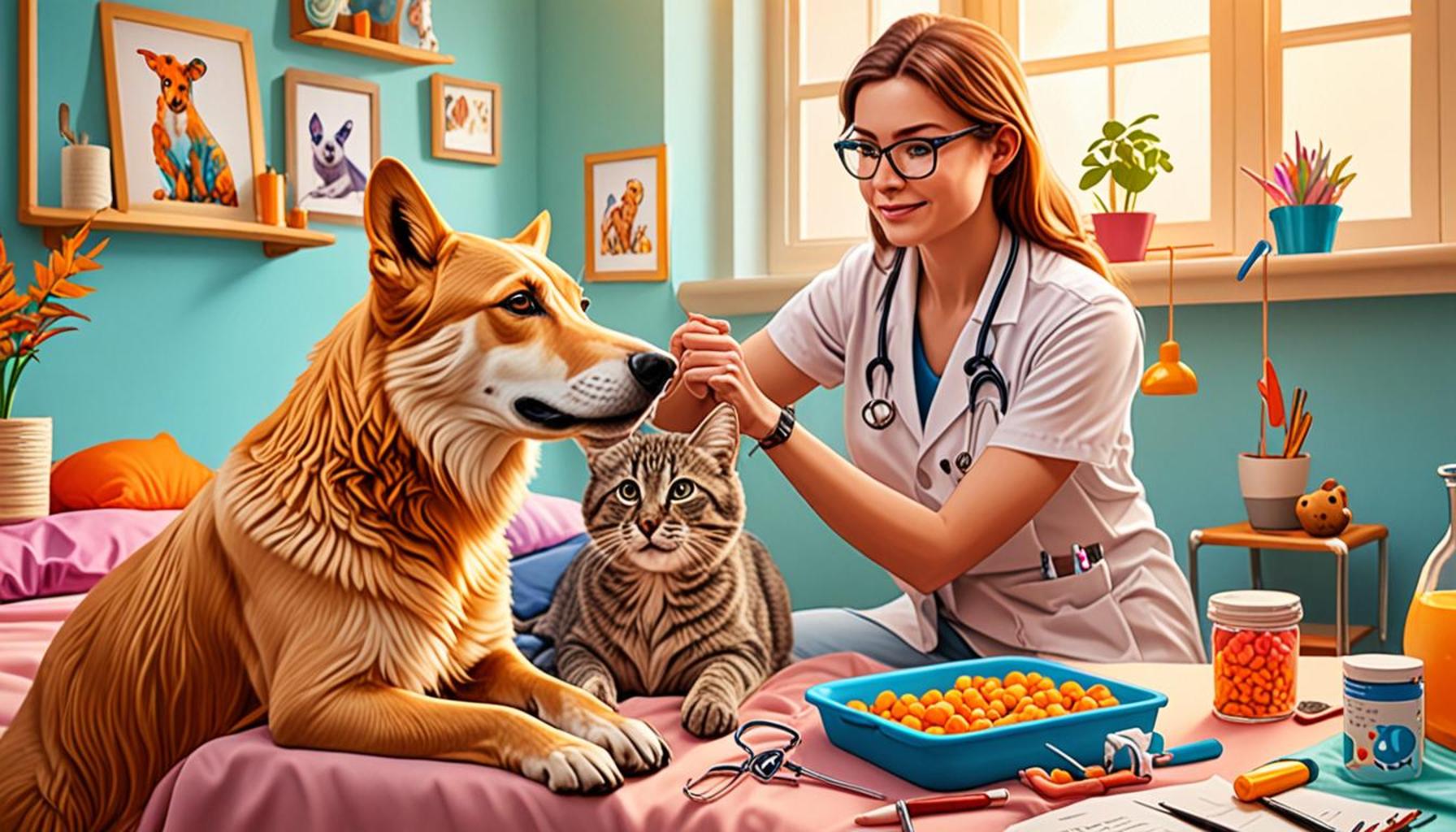
Impact of Pet Adoption on Owners’ Emotional Health

Understanding the Emotional Bond
The connection between pets and their owners runs deeper than mere companionship. Numerous studies reveal that adopting a pet can significantly enhance an owner’s emotional well-being. For example, research from the Human-Animal Bond Research Institute indicates that nearly 74% of pet owners report mental health improvements due to their furry companions. From alleviating feelings of loneliness to boosting overall mental health, the benefits of pet adoption are profound.
The Positive Effects
- Reduced Stress: Interacting with pets lowers cortisol levels. A pet’s presence can create a calming environment, which is especially beneficial in stressful moments. Simply petting a dog or cat for a few minutes can lower heart rates and promote a sense of calm.
- Increased Happiness: Pets can stimulate the production of feel-good hormones such as oxytocin and serotonin. Sharing joyful moments, like playing fetch with a dog or watching a cat chase a laser pointer, fosters positive emotions that can uplift mood.
- Better Physical Health: Dogs encourage exercise, contributing to improved mood. Regular walks not only provide necessary physical activity but also lead to enhanced cardiovascular health for owners, while also offering chances for owners to connect with other dog walkers.
Moreover, pet owners often report feeling a palpable sense of purpose. Caring for a pet helps establish routine and responsibility, which is particularly valuable during periods of stress or isolation. For individuals facing challenges like anxiety or depression, the unconditional love a pet provides can be a source of solace and comfort. Veterinary studies illustrate how therapy animals are increasingly used in clinical settings to assist with emotional support, highlighting the profound impact pets can have on mental health.
Social Connections
Adopting a pet also opens doors to new social interactions. Many find that dog parks, pet-friendly cafés, and community events foster connections with fellow pet lovers. Engaging in these spaces allows for conversations around shared interests and experiences, creating a sense of belonging. Furthermore, pet owners often form support networks that can be invaluable during times of need, whether it be through sharing tips on pet care or demonstrating empathy in shared challenges.
As we delve deeper into the impact of pet adoption on owners’ emotional health, we will explore various factors that contribute to this emotional uplift. Not only can this understanding benefit current or potential pet owners but it also encourages a more humane approach to pet ownership where the emotional well-being of both pet and owner is prioritized. Understanding these benefits can lead to a transformative journey for both pets and their owners, promoting a truly enriching relationship.
DISCOVER MORE: Click here to learn essential training tips

The Emotional Resilience Provided by Pets
Pet adoption has been shown to play a significant role in enhancing emotional resilience in owners. When an individual opens their heart and home to a pet, they embark on a mutually beneficial journey filled with companionship and emotional support. For many, this bond transcends the traditional human-animal relationship, evolving into a profound partnership that can substantially impact mental health.
Therapeutic Benefits of Pet Ownership
One of the most compelling outcomes of pet adoption is the therapeutic effect animals can have on their owners. Therapy animals are increasingly recognized in various settings, from mental health clinics to nursing homes, illustrating that these adorable companions can profoundly impact emotional recovery. A survey conducted by the American Heart Association noted that pet owners experience a lower incidence of depression and anxiety than non-pet owners, particularly among those who have undergone significant life changes. The unconditional love and loyalty of pets offer solace during vulnerable times, reinforcing feelings of security and stability.
Many pet owners find that their furry friends help them navigate the complexities of daily life. The presence of a pet can distract from negative thoughts and promote mindfulness, as caring for an animal often requires focusing on their needs, establishing routines, and engaging in daily activities. These practices can create a sense of normalcy and control, especially for individuals grappling with emotional upheaval.
Building Emotional Intelligence
Furthermore, pet ownership enhances emotional intelligence by fostering empathy, compassion, and nurturing skills. Adopting a pet requires understanding their non-verbal cues, such as facial expressions and body language, which can translate into improved communication and emotional awareness. As owners learn to interpret their pets’ feelings, they often become more attuned to the emotions of others, enhancing their interpersonal relationships.
- Empathy Development: Caring for an animal encourages owners to consider someone else’s needs, strengthening their capacity for empathy.
- Improved Coping Mechanisms: Struggles with fear, anxiety, or loneliness may diminish when supported by a pet’s unwavering companionship.
- Routine and Responsibility: Providing care and stability for a pet can lead to better stress management for owners, as they find purpose in their daily routines.
The inklings of these emotional benefits suggest that the impact of pet adoption extends far beyond the immediate gratification of companionship. The synergy formed between pet and owner cultivates a unique emotional landscape that promotes psychological health and contentment. As we further examine the impact of pet adoption on owners’ emotional health, the intricate dynamics of this bond will unveil how pets act as facilitators of emotional growth and resilience.
| Category | Description |
|---|---|
| Emotional Support | Pets provide companionship that helps reduce feelings of loneliness and isolation among owners. |
| Stress Relief | Interacting with pets can lower cortisol levels and increase serotonin, enhancing overall mental well-being. |
| Increased Physical Activity | Pets require routine exercise, which encourages owners to be more physically active, contributing to improved mental and emotional health. |
| Sense of Purpose | Caring for a pet fosters a strong sense of responsibility and purpose, enhancing self-esteem and emotional health. |
The emotional health of pet owners is positively impacted by their decision to adopt. It’s widely recognized that pets serve not only as companions but also as emotional supporters. Pet adoption not only offers humans a loving friendship but also the mental health benefits that come along with caring for a living being. This connection encourages social interactions and can enhance mood significantly, leading to a more fulfilling life. Moreover, studies suggest that pet owners report lower levels of depression and anxiety. The routine and structure that pets bring can immensely help those battling mental health challenges. As their owners engage with them, whether through play or regular walks, pets often act as catalysts for improving overall emotional health and happiness. This underscores the significance of pet adoption, which extends far beyond the act of bringing a new life into the home.
DIVE DEEPER: Click here to learn how to choose the perfect food for your pet
Social Connectivity and Reduced Loneliness
In addition to enhancing emotional resilience, pet adoption significantly contributes to social connectivity, which is a crucial factor in mental well-being. For many, pets serve as a bridge to the outside world, fostering new friendships and enhancing social circles. Statistics indicate that pet owners are more likely to engage in community activities, whether that be dog parks, pet-friendly events, or volunteering at animal shelters. According to a survey by the Human-Animal Bond Research Institute, 74% of pet owners reported feeling less lonely as a result of having a pet, highlighting how these animals often serve as catalysts for social interactions.
The Role of Pets in Combatting Isolation
Isolation can have devastating effects on mental health, particularly in today’s fast-paced, digitally connected society where personal interactions are often superficial. Pets provide a continuous source of companionship, alleviating feelings of loneliness. For individuals living alone, the presence of a pet can drastically change their everyday experiences. The simple act of walking a dog can lead to spontaneous conversations with fellow pet owners, making it easier to form new friendships, leading to social support networks that can serve as a buffer against isolation.
Numerous pet owners have reported that their pets provide a strong sense of belonging. This is particularly poignant for many seniors, who may have lost lifelong partners or significant social ties. A study published in the Journal of the American Geriatrics Society found that senior pet owners experienced lower rates of depression related to social isolation than their non-pet owning counterparts. The companionship of an animal can offer critical emotional support, enriching their daily lives and giving them a reason to engage with the world outside their homes.
Unconditional Love and Stress Reduction
Moreover, the unique bond that exists between humans and their pets provides a source of unconditional love that can lead to significant stress reduction. Interacting with a pet has been shown to lower levels of the stress hormone cortisol while increasing levels of oxytocin—often referred to as the “love hormone.” Studies conducted at Washington State University discovered that pet owners experienced remarkable decreases in their heart rates and blood pressure when interacting with their pets, demonstrating the physiological benefits of pet ownership tied directly to emotional health.
- Creating Safe Spaces: The presence of a pet creates a sense of safety, promoting a space where individuals feel comfortable expressing their emotions.
- Enhanced Mood Stability: Pets often exhibit behaviors that make their owners laugh, effectively elevating mood and reducing anxiety.
- Increased Physical Activity: The responsibilities of pet care often encourage physical activity, which itself contributes positively to mental health.
As we continue to explore the impact of pet adoption on owners’ emotional health, it becomes clear that the relationship between pets and humans is woven into the very fabric of emotional and mental well-being. The plethora of benefits—from enhanced social connectivity to stress reduction—opens a window into how the presence of an animal companion can fundamentally change not just the lives of individuals, but entire communities as well.
LEARN MORE: Click here for essential pet care tips
Conclusion: The Transformative Power of Pet Adoption
In summary, the impact of pet adoption on owners’ emotional health is profound and multifaceted. The companionship and unconditional love provided by pets contribute significantly to mental well-being, acting as a buffer against loneliness and social isolation. As we’ve seen, pet ownership is not just about having an animal to care for; it’s about forging connections, both with our furry friends and with the community around us. The increased opportunities for social interactions that arise from pet ownership can lead to lasting friendships and support networks.
Moreover, pets offer unique emotional support, helping to stabilize mood and reduce stress levels through interactions that enhance our lives. The physiological benefits—like lower blood pressure and decreased heart rates—intimately connect our emotional and physical health. The ripple effects of this relationship extend into a broader context: healthier communities, reduced strain on mental health resources, and individuals empowered with a sense of purpose and belonging.
Ultimately, the benefits of adopting a pet stretch far beyond the immediate bond with an animal; they enrich emotional health and foster resilience. As research continues to unveil these connections, we encourage communities to promote pet adoption not just as an act of kindness to animals in need but as a crucial step toward enhancing emotional well-being in society as a whole. In a world where connection often seems fleeting, pets may just hold the key to fostering genuine relationships and improving overall quality of life.