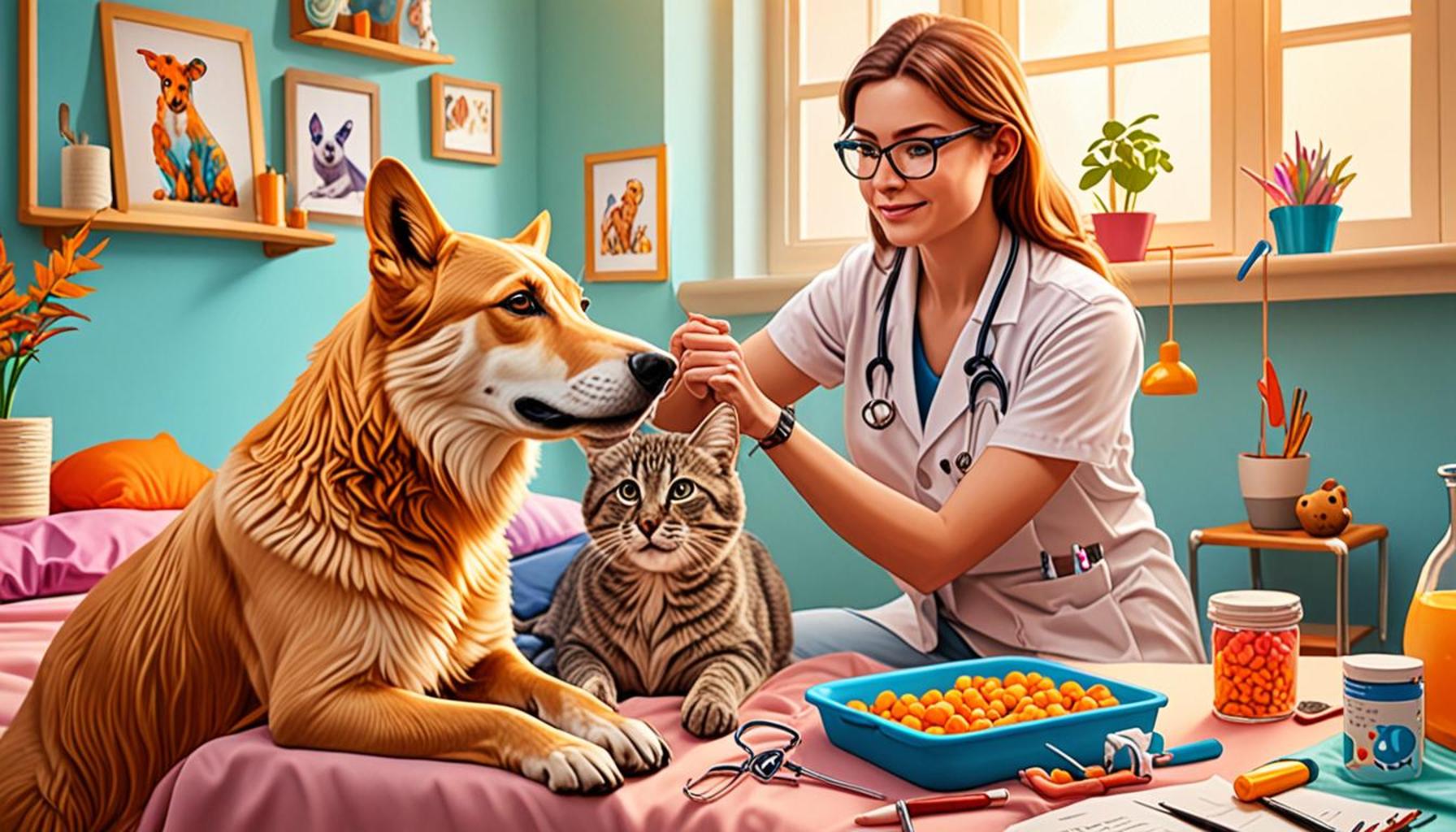
Mental Health Care for Pets

The Growing Recognition of Pet Mental Health
As awareness expands regarding the well-being of our four-legged companions, it’s clear that pets, like humans, are susceptible to mental health challenges. The emotional landscapes of dogs and cats can be just as complex, filled with anxiety, stress, and behavioral issues that mirror human experiences. Understanding these needs is essential for pet owners who want to nurture their furry friends towards a more fulfilling and happy life.
Anxiety and Stress in Pets
Pets often find themselves grappling with anxiety and stress, triggered by factors such as separation from their owners, exposure to loud noises like thunderstorms or fireworks, or significant changes in their environment, such as moving to a new home. For instance, a dog that becomes anxious during thunderstorms may engage in destructive behaviors, such as chewing on furniture or attempting to escape. Similarly, cats may exhibit signs of stress by hiding or refusing to eat when faced with environmental changes. Understanding the triggers for each pet is crucial. Owners might consider creating a safe space for their pets during stressful times, filled with comforting items like their favorite blanket or toy.
Understanding Behavioral Issues
Behavioral issues, such as aggression, excessive barking, or destructive behavior, are often manifestations of underlying emotional distress. A dog that lunges at passersby may be acting out of fear rather than malice, signaling an urgent need for behavioral intervention. Interesting case studies have shown that dogs with poor socialization may struggle to interact comfortably with other dogs, leading to aggressive tendencies. Training, along with behavioral therapies, often helps reshape these behaviors and enhance the pet’s emotional resilience.
The Importance of Socialization
Just like humans, pets thrive on social interactions. Isolation can lead to severe mental health issues, making regular socialization vital. Dogs, in particular, benefit from trips to dog parks or playdates with other pets. Even scheduled walks can provide opportunities for social engagement, which can reduce feelings of anxiety and promote behavioral development. Cat owners should not feel left out; interactive toys and structured playtime can also help manage a cat’s emotional health by encouraging engagement and exercise.
Supporting Pet Mental Health
Statistics indicate that nearly 20% of dogs and a notable number of cats display behavioral issues that correlate with their mental health. This data emphasizes the importance of supporting our pets through various means. Here are a few effective strategies:

- Professional Help: Consulting with a veterinarian or animal behaviorist is a critical step. Tailored strategies, including therapeutic techniques or medication, might be necessary for addressing specific issues.
- Environmental Enrichment: Providing engaging toys, regular exercise schedules, and opportunities for social interaction can significantly enhance a pet’s overall well-being. For instance, puzzle feeders can provide mental stimulation while turning mealtime into a fun activity.
- Training and Routine: Consistency is key. Establishing a structured daily routine helps pets anticipate their activities, alleviating anxiety with predictable outcomes. Incorporating training sessions enhances their focus and builds confidence.
Delving into these aspects of pet care not only illuminates the path towards improved mental health for our pets but also fosters a deeper emotional connection between owners and their furry companions. By recognizing the signs of mental health challenges and implementing supportive measures, pet owners can create an environment that nurtures their pets’ emotional and psychological well-being, ensuring that they lead enriched lives.
Dive Deeper: Click here to learn how to choose the perfect food for your pet
Recognizing Signs of Distress
Understanding the emotional needs of pets requires keen observation and awareness of their behaviors. Just as humans may exhibit signs of anxiety or depression, pets can show distinct indicators of mental distress. Recognizing these signs is pivotal in intervening early and ensuring that our companions receive the necessary care.
Common Symptoms of Mental Health Issues
Pet owners must familiarize themselves with the common symptoms that may indicate mental health issues. These signs can vary depending on the type of pet and its unique personality. Here are several notable behaviors to watch for:
- Aggression: Unexpected biting, hissing, or growling can suggest fear or anxiety. Pets may react this way when they feel threatened or uncomfortable.
- Excessive Vocalization: Unusual barking or yowling may be a cry for help, indicating that the pet is stressed or lonely.
- Destructive Behavior: Chewing furniture or scratching walls often points to boredom, frustration, or separation anxiety.
- Changes in Appetite: Sudden loss of interest in food or excessive eating can be responses to emotional turmoil, impacting their overall health.
- Passive Behavior: Withdrawal from play or social interactions is a significant red flag. Pets that seem lethargic or disinterested may be experiencing emotional distress.
The Role of Routine
One effective way to support our pets is through establishing a consistent routine. Animals thrive on predictability, and a well-structured daily schedule can help mitigate feelings of anxiety. For example, setting aside regular times for feeding, walks, and playtime not only fosters a sense of security but also fortifies the bond between pet and owner. This routine should also include scheduled visits to the veterinarian for check-ups, which can help monitor the overall health and well-being of the animal.
Creating a Safe Haven
During times of stress, creating a safe haven for pets can provide them with a sense of comfort and security. A designated quiet space filled with their beloved toys, a cozy bed, and perhaps even soothing music can make a significant difference during distressing situations. This retreat allows pets to feel secure and reduces anxiety when faced with external triggers like loud noises or the absence of their owners.
Understanding the early signs of mental health difficulties, implementing a consistent routine, and creating a safe environment are critical steps in addressing the emotional needs of our pets. By putting these methods into practice, owners not only enhance their pets’ lives but also foster a more profound emotional connection, ultimately leading to happier and healthier companions.
Mental Health Care for Pets
Mental health is as crucial for pets as it is for humans. Just like us, pets can experience a range of emotional issues, including anxiety, depression, and stress. Understanding and addressing these mental health challenges through specialized care is crucial for their overall well-being. Here we explore the many avenues available for mental health care for pets, including therapy, enrichment activities, and more.
| Category | Key Features |
|---|---|
| Behavioral Therapy | Offers targeted solutions for anxiety and stress-related issues in pets. |
| Enrichment Activities | Stimulating activities to enhance mental stimulation and reduce boredom. |
Professionals recommend regular mental exercises, like interactive toys and puzzle feeders, as beneficial for a pet’s emotional health. Furthermore, social interaction with other pets can reduce feelings of isolation and anxiety. Identifying signs of distress early can lead to more effective treatment strategies, making it essential for pet owners to be vigilant and proactive.
Understanding your pet’s emotional needs not only improves their mental health but can also strengthen the bond between you and your furry friend. From professional interventions to simple daily practices, exploring the landscape of mental health care for pets opens the door to healthier, happier lives for our cherished companions.
DISCOVER MORE: Click here to enrich your pet’s life
Engaging in Interactive Play
Another crucial aspect of ensuring the mental well-being of pets is through interactive play. Engaging in regular playtime is essential for mental stimulation and helps to alleviate anxiety. Activities such as fetch for dogs, laser pointers for cats, or even puzzle toys can prove beneficial. These forms of interaction not only provide physical exercise but also promote cognitive engagement, which is vital for mental health.
Benefits of Outdoor Activities
For many pets, routine outdoor activities play a fundamental role in enhancing their mood and overall mental state. Regular walks not only serve as an opportunity for physical exercise but also allow pets to explore their environment, encounter new smells, and interact with other animals. Such experiences can be particularly important for dogs, who thrive on social interaction.
Moreover, exposure to nature has known benefits for both humans and pets. Studies have shown that being outdoors can significantly reduce anxiety levels and improve overall mood. Activities like visiting dog parks, hiking, or simply allowing pets to roam in a safely fenced yard can provide enriching experiences that enhance emotional well-being.
Utilizing Professional Resources
Sometimes, the issues at hand may go beyond what can be addressed at home, and this is where professional resources come into play. Many veterinarians are now trained to recognize and address mental health issues in pets. Consulting with professionals such as veterinary behaviorists is essential for pets suffering from severe anxiety or behavioral issues. These experts can provide tailored strategies that encompass behavioral modification techniques, training sessions, or even medication when deemed necessary.
Pet owners should also consider exploring the availability of mental health resources specifically designed for pets. Various organizations and online platforms offer support services ranging from pet counseling to workshops aimed at educating pet owners about mental health challenges in animals. Understanding these resources can equip pet owners with the knowledge and tools necessary to make informed decisions regarding their pets’ mental health care.
The Importance of Socialization
Socialization is another critical factor in maintaining a pet’s mental health. Dogs, in particular, are social animals and can suffer from isolation. Introducing pets to new environments, people, and other animals can help reduce anxiety and enhance their ability to cope with new experiences. Puppy classes, dog training sessions, and playdates with other pets are excellent ways to socialize animals and build their confidence over time.
For cats, socialization tends to be a bit different due to their independent nature. However, they too benefit from interactions, whether through gentle handling or engaging play sessions. Cat cafes or community cat events offer opportunities for socialization tailored to their unique behavior.
By acknowledging and incorporating interactive play, outdoor activities, professional resources, and socialization into the lives of our pets, we can significantly improve their mental health. These approaches create a balanced environment that addresses both physical and emotional needs, promoting long-term wellness for our beloved companions.
DISCOVER: Click here to learn about the latest trends
Conclusion: Prioritizing Mental Health for Our Furry Friends
As pet owners, it is our responsibility to recognize the importance of mental health care for pets. Just as we prioritize our mental and emotional well-being, our pets deserve the same consideration. By implementing practices such as engaging in interactive play, facilitating outdoor activities, utilizing professional resources, and ensuring ample socialization, we can foster a nurturing environment that promotes emotional stability for our furry companions.
Research continues to unveil the significant impact of mental health on pets, highlighting the correlation between emotional well-being and overall health. Pets that receive adequate mental stimulation and social interaction are more likely to exhibit positive behavior and lead fulfilling lives. Moreover, understanding mental health resources tailored explicitly for pets can empower owners to take proactive steps in addressing their animals’ needs.
Engaging with local veterinarians and animal behaviorists can provide insights that extend beyond mere physical care. In the U.S., there is a growing awareness of pet mental health, with an increase in animal therapy programs and behavioral clinics to support pets suffering from anxiety and other mental health issues. By exploring these avenues, pet owners can develop a richer understanding of their companion’s emotional landscape.
In conclusion, taking the initiative to enhance mental well-being for pets is an investment not just in their happiness, but in the quality of the bond shared between owner and pet. Let us embrace our role as advocates for their mental health, ensuring that our beloved companions can live vibrant and enriched lives. Together, we can create a brighter future for the mental health care of our pets.