Preventive Care: Vaccination and Regular Check-ups for Pets
Understanding the Importance of Preventive Care
When it comes to our furry companions, preventive care is essential for keeping them healthy and happy. From vaccinations to regular check-ups, these proactive measures can help avert serious health issues down the line. By prioritizing preventive care, pet owners make informed choices that not only enrich the lives of their pets but also foster a closer bond between pets and their owners.
Why Vaccinations Matter
- Disease Prevention: Vaccinations play a crucial role in protecting pets from deadly diseases such as rabies, distemper, and parvovirus. For instance, rabies can be fatal and poses a risk to humans as well. Keeping pets up to date on vaccinations is a straightforward safeguard against such severe health threats.
- Community Health: Vaccinated pets contribute to herd immunity, effectively reducing the spread of contagious diseases within the community. For example, when a majority of pets in a neighborhood are vaccinated, the likelihood of outbreaks decreases, benefiting even those pets who cannot receive vaccinations due to health issues.
- Cost-Effective: Preventive measures can save pet owners money on costly treatments for illnesses that could have been avoided. For instance, a simple vaccine may cost less than $20, while treatment for a disease like parvovirus could escalate into the thousands when hospitalization and care are necessary.
The Role of Regular Check-Ups
- Early Detection: Routine veterinary visits allow for the early identification of potential health issues, such as dental disease or obesity. Detecting these problems early can lead to better outcomes and more affordable treatment options.
- Comprehensive Care: Regular exams include evaluations of dental health, nutritional assessments, and weight management advice that support your pet’s overall well-being. These aspects are vital, as poor dental health can lead to severe systemic issues, such as heart disease.
- Customized Health Plans: During check-ups, veterinarians can develop tailored health plans that consider specific factors such as your pet’s age, breed, and lifestyle. For example, an active dog may require a different nutritional strategy than a senior cat who spends most of its time indoors.
By committing to these preventive measures, you are not only ensuring a healthier life for your pet but also gaining peace of mind. Additionally, many veterinary clinics in the United States offer wellness plans that can help spread the cost of preventive care over the year, making it more manageable for pet owners.
As you delve deeper into the world of preventive pet care, you’ll discover valuable insights that can enhance your pet’s quality of life. Engaging with your veterinarian can provide you with the latest recommendations on vaccinations and preventive care tailored to your region and your specific needs. Ultimately, an investment in preventive care is an investment in years of joyful companionship for you and your pet.
DISCOVER MORE: Click here to learn about the latest pet nutrition trends
Essential Vaccines for Pets
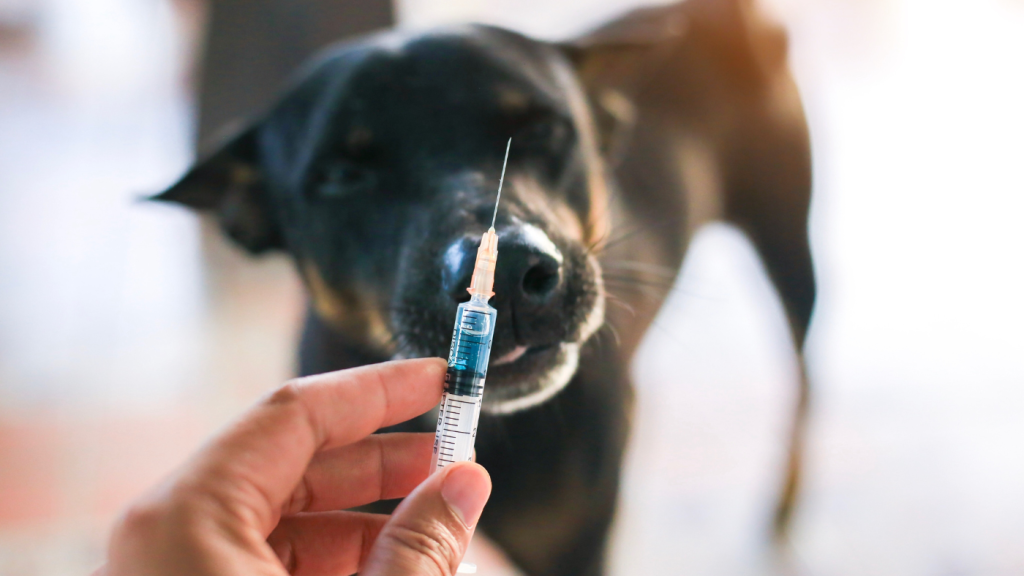
As a responsible pet owner, it is crucial to understand that vaccinations are not just a one-time task but an ongoing commitment. Vaccines are designed to protect against a variety of infectious diseases that can severely affect pets’ health. Here’s a closer look at some core vaccines recommended for dogs and cats, highlighting their roles and importance in the realm of preventive care.
Core Vaccines for Dogs
- Rabies: This vaccine is crucial not only for dogs but for public health as well. Rabies is a fatal viral disease transmitted through the saliva of infected animals. In the U.S., rabies vaccinations are often mandated by law and should be administered annually or every three years, depending on the vaccine used.
- Distemper: Canine distemper is a highly contagious and often fatal disease that affects the respiratory, gastrointestinal, and central nervous systems. Vaccination against this virus is typically a part of the combination vaccine (DAPP) dogs receive during their early months and requires booster shots.
- Parvovirus: This highly contagious virus causes severe gastrointestinal illness in dogs, leading to intense vomiting and diarrhea. The parvovirus vaccine is vital for puppies, as they are particularly susceptible to infection.
Core Vaccines for Cats
- Feline Distemper (Panleukopenia): This dangerous viral infection can lead to severe illness and fatalities among cats, especially kittens. The vaccine is crucial, stemming from a combination vaccination that is part of kitten wellness plans.
- Feline Viral Rhinotracheitis (FVR) and Calicivirus: These two respiratory viruses are common among cats and can lead to serious respiratory infections. Vaccination is key to preventing these highly infectious diseases.
- Rabies: Just like dogs, cats are also at risk for rabies. Vaccination is not only a health measure in protecting your cat but is also legally required in many states.
It is important to discuss these vaccines with your veterinarian, who can guide you on the appropriate schedule for your pet based on age, health status, and lifestyle. Other vaccines may be recommended based on your pet’s risk factors, such as exposure to certain environments or diseases common in your area.
Understanding Vaccine Schedules
Pet vaccination schedules can vary, but the general guideline suggests that puppies and kittens should start their vaccinations around six to eight weeks of age, followed by boosters at set intervals. Keeping track of vaccination timing is essential, as lapses can lead to increased susceptibility to diseases. Pet owners should consult their veterinarian to create a tailored vaccination schedule, ensuring they keep their pets fully protected throughout their lives.
The proactive approach of administering vaccines and embracing the preventive care framework significantly impacts both the individual pets and the broader animal community. Understanding these components of preventive care can create a healthier and happier life for our beloved companions, inspiring owners to remain engaged and educated about their pets’ health needs.
When it comes to preventive care for pets, understanding the importance of vaccination and regular check-ups is crucial. Vaccination not only protects pets from harmful diseases but also contributes to the health of the broader pet community by establishing herd immunity. Regular check-ups serve as an early detection system for potential health issues, enabling prompt interventions that may save your pet’s life or reduce treatment costs.
Additionally, these preventive measures can form an essential part of your pet’s overall well-being. For example, vaccines can significantly lessen the chances of illnesses such as rabies, parvovirus, and distemper, diseases that can pose serious threats. Furthermore, routine veterinary visits allow for weight management, dental care, and assessments of behavioral health, ensuring that your beloved pet leads a long, happy life.
| Vaccination | Protection Against Diseases |
|---|---|
| Core Vaccines | Prevent common yet severe diseases. |
| Health Monitoring | Identify issues before they deteriorate. |
This synergy between vaccination and regular veterinary checks cannot be overstated. With proper preventive care, you enhance not just your pet’s health but also enrich the quality of your life together. This approach’s benefits extend beyond the individual pet, contributing to a healthier and safer environment for all pets and their owners in the community.
DISCOVER MORE: Click here to enhance your pet’s happiness
The Importance of Regular Check-ups
While vaccinations form the backbone of preventive care for pets, regular check-ups are equally vital in maintaining their overall health and well-being. These appointments allow veterinarians to monitor your pet’s growth and development, provide early detection of potential health issues, and maintain an open line of communication regarding your pet’s lifestyle and needs.
What Happens During a Check-up?
During a check-up, the veterinarian will typically conduct a thorough physical examination, reviewing various aspects of your pet’s health, including:
- Weight Assessment: Maintaining a healthy weight is crucial for preventing obesity-related diseases. Regular weigh-ins help identify any drastic changes that may require dietary adjustments.
- Dental Health Check: Oral hygiene is essential for preventing periodontal disease, which can lead to more severe health problems. Your vet will examine your pet’s teeth and gums, possibly recommending dental cleanings or treatments.
- Skin and Coat Inspection: A veterinarian will look for signs of skin infections, parasites, or unusual lumps that may indicate underlying health issues. Early identification of these problems is key to effective treatment.
- Heart and Lung Evaluation: Through auscultation, the vet will listen to your pet’s heart and lungs, checking for any abnormalities that could suggest cardiovascular or respiratory issues.
Routine lab work, including blood tests and urinalysis, may also be performed to gain deeper insights into your pet’s internal health. These tests can detect early signs of conditions like kidney disease or diabetes, making it necessary for pet owners to stay vigilant.
Establishing a Healthier Future
Regular veterinary visits not only help in diagnosing potential issues but also serve as an opportunity for pet owners to learn about their pets’ specific health needs. From discussing nutrition plans to understanding the significance of parasite control, these appointments ensure that pet owners are well-informed. The importance of nutrition cannot be underestimated; tailored dietary plans can aid in your pet’s growth, energy levels, and overall health. Furthermore, your veterinarian can recommend appropriate foods based on your pet’s age, breed, size, and health concerns, paving the way for a longer, healthier life.
Addressing Behavioral Concerns
Check-ups are also a perfect time to discuss any behavioral changes you may have noticed in your pet. Irregularities in behavior can be linked to physical health problems or stress factors. Engaging in open conversations with your veterinarian about these issues can lead to better management and improved quality of life for your pet. Behavioral therapies, training recommendations, and environmental adjustments can be suggested to help address these concerns, leading to a happier home for both pet and owner.
Moreover, some veterinary clinics offer additional services during routine check-ups, such as grooming or vaccination updates, which could save time and money in the long run. Being proactive about appointments can ultimately lead to decreased healthcare costs as early detection often means less expensive treatment options.
Investing time in regular check-ups and vaccinations ensures that your pet not only enjoys a longer life but a life filled with vitality and happiness. The relationship you build with your veterinarian is essential in ensuring that your beloved pet remains a cherished part of your family for years to come.
DIVE DEEPER: Click here to discover more
Conclusion
In summary, preventive care through vaccination and regular check-ups is essential for ensuring the health and well-being of your beloved pets. By prioritizing vaccinations, pet owners safeguard their companions against numerous infectious diseases that can lead to serious health complications. Regular veterinary check-ups, on the other hand, play a crucial role in the early detection and management of health issues, ensuring that any concerns are addressed promptly.
These proactive measures create a strong foundation for a lifetime of health. The regular evaluations not only foster a connection between pet owners and veterinarians but also empower owners with knowledge about their pets’ unique health needs. From maintaining a healthy weight and dental hygiene to understanding specific nutritional requirements, informed pet ownership is instrumental in facilitating a longer and happier life for pets.
Moreover, discussing behavioral changes during check-ups can enhance the quality of life not just for pets, but also for their families. As a result, investing in preventive care is not merely about treating illnesses; it’s about cultivating a thriving environment where pets can flourish. Ultimately, our four-legged friends give us immeasurable joy and companionship; ensuring their health through preventive care is a small yet significant step toward a prosperous future together.
Embrace this journey of wellness and take the necessary steps today; your pet’s health and happiness depend on it.