The Importance of Dog Socialization in Urban Environments
Understanding Dog Socialization in Urban Settings
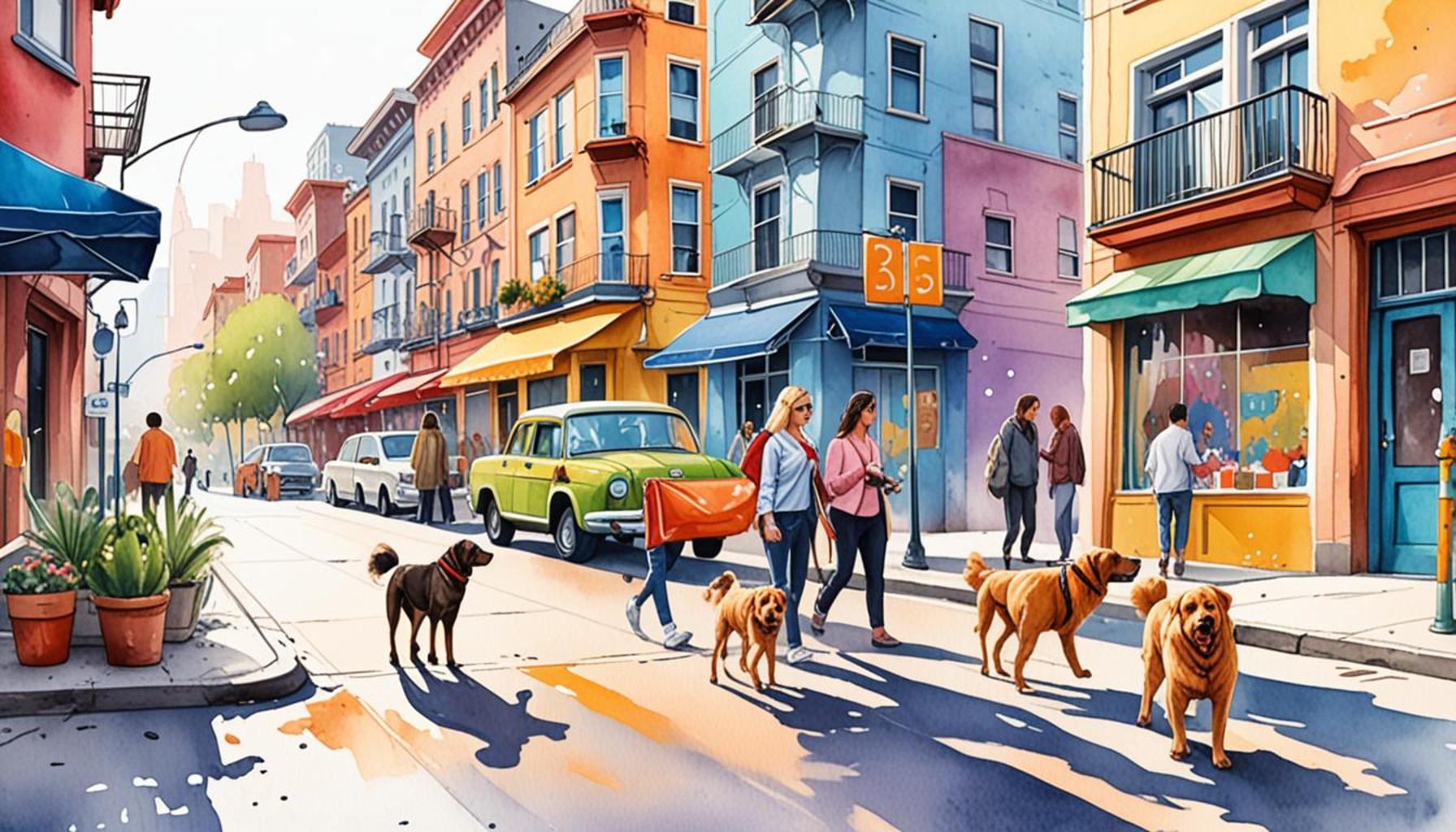
In bustling urban environments, where concrete jungles replace spacious backyards, dog socialization becomes crucial for both the well-being of our furry friends and the safety of the community. With countless distractions and diverse stimuli, a well-socialized dog is more equipped to navigate this busy world. But why exactly is socialization so vital for dogs living in cities? Understanding the complexities of urban life is the first step towards ensuring your pet thrives in such an environment.
Exposure to Various Environments
Urban dogs encounter unique situations like crowded parks, public transportation, and busy streets filled with honking cars and bustling pedestrians. For instance, a dog used to a quiet suburban neighborhood may find the sounds of a city overwhelming. Regular exposure to these environments can desensitize dogs, teaching them how to behave calmly in various situations. Taking your dog to a local café with outdoor seating or exposing them to different surfaces like concrete, grass, or gravel can significantly enhance their adaptability.
Preventing Behavioral Issues
Many owners may not realize that proper socialization helps prevent anxiety, fear, and aggression towards other animals and people. Without this crucial social exposure, dogs may develop fear-based reactions, leading to barking, lunging, or even biting in stressful situations. Programs that involve gentle introductions to other pets and humans, such as training classes or community groups, can facilitate positive interactions and build confidence in your dog. For example, attending a local dog park or joining a socialization group can expose your pet to various breeds and personalities, helping them learn acceptable behaviors.
Enhancing Public Safety
Beyond the individual benefits, well-socialized dogs are less likely to react negatively in high-stress environments, ultimately enhancing public safety. Dogs that have encountered diverse experiences are less prone to sudden, aggressive behaviors, which could pose risks in busy urban settings. By investing time in training and socialization, owners can help their dogs develop the skills necessary for calm interactions, making the environment safer for everyone.
Comprehensive Socialization Strategies
Dog owners in cities must understand that socialization extends beyond simple playdates. It requires exposure to various groups:
- People of varied ages and backgrounds: Engaging with children, elderly individuals, and diverse cultures encourages dogs to be friendly and adaptable.
- Other pets and animals: Regular interactions with other dogs and even non-canine animals help instill confidence and reduce aggression.
- Urban sounds and activities: Frequent experiences with traffic noise, construction sounds, and public events prepare dogs for the unpredictability of city life.
Investing time in socializing your urban dog not only enriches their quality of life but also fosters a harmonious community where humans and canines coexist comfortably. The act of socialization becomes an ongoing process, requiring diligence and creativity from owners. With consistent effort and the right strategies, urban dogs can become well-rounded companions, enriching not only their lives but also those of the people around them.
As we move forward, the next sections will delve deeper into practical strategies and the myriad benefits of effective socialization for urban dogs, providing insights into how you can make a meaningful difference in your dog’s ability to thrive in a bustling city landscape.
DIVE DEEPER: Click here to learn more about enriching your pet’s life
The Benefits of Early and Ongoing Socialization
The journey of socialization for urban dogs begins the moment they enter your life. Although the early weeks of a puppy’s life are critically important, socialization shouldn’t stop there. Early and ongoing socialization plays a crucial role in developing a well-adjusted adult dog. Puppies are particularly impressionable between the ages of three and fourteen weeks, making this period ideal for introducing them to various experiences. However, it’s essential to continue these practices throughout their lives.
Critical Windows of Development
Understanding the critical windows of development in dogs can help owners prioritize socialization efforts. According to canine behavioral experts, there are several phases in a dog’s life that necessitate targeted social experiences:
- Neonatal Stage (0-2 weeks): Limited learning occurs, though handling by humans can foster a sense of security.
- Transitional Stage (2-4 weeks): Puppies begin to interact with their littermates, which helps develop social skills.
- Socialization Stage (4-14 weeks): This is the ideal time for varied exposures, including people, surroundings, and sounds.
- Juvenile Stage (14 weeks to 6 months): Continued exposure helps cement learned behaviors and reduce potential anxiety.
The Role of Positive Reinforcement
During these phases, using positive reinforcement techniques is crucial. Training sessions should incorporate treats, praise, and affection to create a welcoming atmosphere for your dog’s experiences. Exposing them to mixed crowds, bustling markets, and even loud environments should evoke curiosity, not fear. Whether you’re taking them on a subway ride or a busy street, the goal should always be to reward calm and composed behavior. For instance, if your dog sits quietly while a skateboard whizzes by, rewarding them reinforces this behavior for future encounters.
Structured Socialization Opportunities
While backyard play is enjoyable, structured socialization activities provide essential experiences that will prepare your dog for urban life. Consider enrolling in a training class that focuses on socialization. These courses typically involve a mix of training exercises and opportunities for dogs to meet each other under controlled conditions. Urban doggy daycare facilities can also be instrumental, as they create environments where multiple dogs can play and learn to interact with one another. Look for reputable facilities that prioritize safety and employ well-trained staff.
Moreover, joining local dog clubs or community socialization events can extend your dog’s circle of friends. Many cities host dog meet-ups or group training sessions in public parks, providing excellent opportunities for social interaction in a positive setting. These environments facilitate natural learning where dogs develop essential skills such as polite greetings, sharing space, and reading canine body language.
Understanding the depth and breadth of socialization in urban settings is indispensable for fostering a balanced and contented canine companion. Investing time and effort into these practices not only enriches your dog’s life but creates a safer and more pleasant environment for everyone in the community. As we explore further, we will uncover the long-term benefits that good socialization brings to both dogs and their human companions in urban settings.
The Importance of Dog Socialization in Urban Environments
Urban environments pose unique challenges for dogs and their owners, making socialization an essential part of pet ownership. For dog owners living in cities, understanding the necessity of proper socialization can vastly improve their canine companions’ quality of life. Increased exposure to various sights, sounds, and interactions can reduce anxiety and fear, fostering confidence in your furry friend. In addition, well-socialized dogs are typically more adaptable to new experiences, which is critical in bustling urban settings filled with diverse stimuli.One significant benefit of dog socialization is enhanced behavior. Dogs that frequent dog parks, interact with other dogs, and meet new people develop better social skills. They are less likely to exhibit aggression or fear-based responses, making walks and outings more enjoyable for both the pet and the owner. Furthermore, proper socialization has been linked to improved mental health in dogs. Engaging with other animals creates opportunities for play and stimulation, which can alleviate boredom and prevent destructive behaviors at home.To emphasize the importance of this aspect of dog ownership, consider how essential it is for dogs to learn proper communication. In a city environment, where encounters with other pets and people are inevitable, socialized dogs can effectively express themselves through body language and vocalizations, which can help prevent conflicts and misunderstandings.For those looking to dive deeper into this topic, local dog training courses or community meetups can offer structured opportunities for socialization. Additionally, many cities offer dog-friendly events and activities that cater to both pups and their owners, enriching their lives through social engagement and interaction. Stay tuned as we dig into the specific advantages of dog socialization through our informative table below.
| Category | Description |
|---|---|
| Improved Behavioral Skills | Socialized dogs tend to exhibit reduced aggression and anxiety, enhancing their behavior during walks and public outings. |
| Mental Stimulation | Engaging with various stimuli and play helps alleviate boredom and prevents destructive behaviors at home. |
Understanding these dynamics is vital for any urban dog owner. By fostering a socially adaptable dog, not only do you enhance their quality of life, but you create a harmonious atmosphere for both your pet and the community as a whole.
Dive deeper: Click here to discover more about balanced nutrition for your pet
Challenges and Solutions in Urban Dog Socialization
Urban environments present unique challenges when it comes to dog socialization. From crowded sidewalks and bustling public transport to unfamiliar sights and sounds, the urban landscape can sometimes overwhelm even the most confident of dogs. Fortunately, understanding these challenges is the first step toward finding effective solutions that will nurture your dog’s social skills while ensuring their comfort and safety.
Common Urban Challenges
One of the most significant challenges urban dogs face is the presence of strange noises. Sirens, construction work, and honking cars can trigger anxiety or fear in dogs not used to such stimuli. Moreover, the heavy foot and vehicle traffic can make even the most outgoing pup feel cornered, leading to defensive or aggressive behaviors.
Moreover, the high density of people and other animals in cities can create opportunities for unwelcome interactions. Dogs may encounter another pet who is either overly friendly or aggressive, making it essential for owners to manage these social situations effectively.
Creating Controlled Experiences
To combat the challenges of urban living, creating controlled experiences for your dog is crucial. This can be achieved by gradually introducing your pet to various scenarios that mimic everyday urban encounters. For example, start by walking your dog in quieter neighborhoods before venturing into busier areas. Over time, this exposure will increase their confidence.
Additionally, using desensitization techniques can help. This involves slowly exposing your dog to overwhelming stimuli at a distance that doesn’t provoke a fear response before gradually decreasing the distance as they become more comfortable. Working with a certified dog trainer can provide tailored strategies for specific challenges your dog faces.
Utilizing Resources and Support
The increasing awareness of the importance of dog socialization has resulted in a surge of resources available for urban pet owners. Numerous websites and local community boards list dog-friendly events, training workshops, and socialization classes—creating avenues for your canine companion to interact with others in a supportive environment.
Additionally, many pet stores and veterinary clinics offer workshops that focus on behavioral development and socialization, providing you the tools needed to enhance your dog’s social skills. Furthermore, online forums and social media platforms dedicated to pet owners are invaluable for sharing experiences, tips, and arranging meet-ups with fellow dog owners to promote a sense of belonging for both you and your dog.
The Role of Responsible Ownership
Ultimately, responsible ownership is essential in any urban discussion regarding dog socialization. As pet owners, it is our duty to actively engage in our dogs’ social experiences and ensure they are well-behaved and comfortable in public spaces. This responsibility extends beyond just our pets; it also involves being considerate of others in the community. Keeping dogs on leashes, adhering to local leash laws, and regularly cleaning up after pets all contribute to a safer and more pleasant environment for everyone.
By focusing on these strategies and recognizing the challenges that urban dogs face, owners can significantly enrich their canines’ social lives. Preparing dogs for the fast-paced urban lifestyle fosters not just better pets but happier owners as well, making urban spaces more accommodating for all inhabitants.
DIVE DEEPER: Click here to learn how nutrition boosts your pets’ dental health
Conclusion: Building a Harmonious Urban Experience for Dogs and Owners
The importance of dog socialization in urban environments cannot be overstated. As cities continue to grow and evolve, the ability of our canine companions to navigate complex social landscapes becomes increasingly vital. Through proactive measures such as controlled exposure to various stimuli, engaging with community resources, and embracing responsible ownership, pet owners can ensure that their dogs not only thrive but also contribute positively to urban life.
One of the key takeaways from this exploration is the idea that socialization is not merely a one-time event but a continual process. By understanding the unique challenges urban environments present—such as unfamiliar noises and crowded spaces—dog owners can guide their pets through gradual experiences that foster confidence and resilience. Ultimately, this approach not only enhances the quality of life for dogs but also strengthens the bond between humans and their furry friends.
Moreover, the ripple effect of dog socialization extends beyond individual pets. When dogs are well-socialized, they help create a more inclusive and harmonious community, allowing others to enjoy public spaces without fear or discomfort. Cities like San Francisco and New York are perfect examples of how urban dog culture can thrive when responsible pet ownership is prioritized.
For those looking to deepen their knowledge, many online resources, local dog training classes, and community events are available to provide support. Embracing the journey of urban dog socialization is not just about improving our dogs’ behavior; it is about ensuring that both dogs and owners can fully enjoy the vibrant life that city living offers.