The Importance of Socialization and Training After Animal Adoption
The Importance of the Post-Adoption Journey
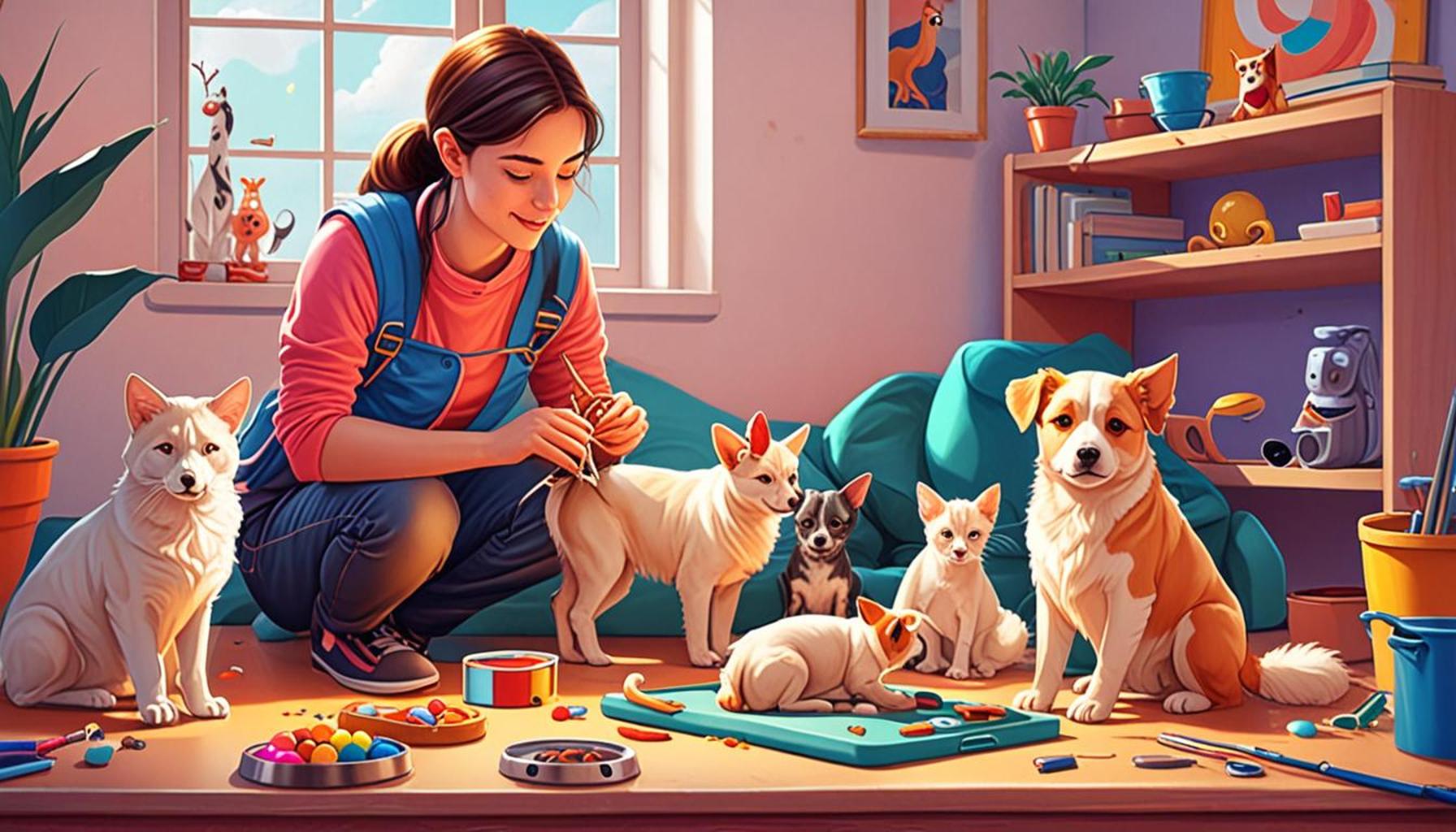
Adopting a pet is a joyous occasion filled with excitement and anticipation. However, it marks the beginning of a significantly transformative journey for both the animal and its new owner. As much as welcoming a furry friend into your home can be overwhelming, it opens doors to a rewarding experience that requires commitment and understanding. The role of socialization and training in this journey cannot be overstated, as they form the bedrock of a happy and harmonious relationship between you and your new companion.
One of the core aspects of this journey is establishing trust. Building a solid bond between you and your pet creates a foundation for effective communication. It is vital to create a safe and comfortable space for your new pet, allowing them to acclimate to their environment. For example, if you’ve adopted a shy or fearful dog, spending quiet time together, offering treats, and gently engaging in play can help them feel secure. According to experts, this trust-building process often involves patience and consistent interaction, ultimately leading to a worthwhile connection that bolsters your pet’s confidence.
Enhancing behavior through proper training reduces potential behavioral issues, making your pet more manageable and enjoyable to live with. For instance, many owners benefit from enrolling their pets in basic obedience classes or utilizing online resources tailored to new adopters. Training helps establish household rules and teaches your pet essential commands, like “sit” and “stay.” This not only fosters respect but also strengthens your bond. The American Kennel Club offers a variety of training tips, emphasizing the importance of positive reinforcement techniques that reward good behavior, thereby encouraging pets to continue learning.
Additionally, encouraging social skills is crucial for alleviating anxiety in pets. Introducing them to various environments—with different sounds, people, and other animals—can significantly enhance their socialization experience. For example, consider taking your dog to a local dog park or a pet-friendly cafe where they can interact with other dogs and humans. Such exposure is particularly vital for young pets who are still developing their social skills. Various studies, including those backed by the American Society for the Prevention of Cruelty to Animals (ASPCA), indicate that pets which experience proper training and socialization are significantly less likely to experience abandonment or behavioral issues later on.
In essence, the post-adoption journey entails a broad spectrum of activities centered around the well-being of your new pet. Engaging in socialization and training not only enriches your relationship but also prepares your dear companion for a fulfilling life alongside you. Throughout this enriching journey, there is a wealth of resources available to new pet owners, including community classes, online forums, and books dedicated to animal behavior. Exploring these avenues can provide valuable insights and ensure that the transition into your family life remains smooth and joyful.

DISCOVER MORE: Click here to learn about positive training in cat education
Nurturing a Well-Adjusted Companion
The journey of pet adoption extends beyond the initial excitement of bringing a new animal into your home; it requires a foundational commitment to socialization and training. These elements are crucial in shaping a well-adapted companion who can thrive in their new environment. Adequately socializing your pet lays the groundwork for a harmonious household and prevents potential issues, allowing both you and your furry friend to flourish.
Socialization is not merely a luxury; it is a necessity that promotes well-being for pets of all ages. The early days post-adoption are pivotal for your pet to learn about the world around them. Puppies, for instance, experience a critical socialization window that lasts until they are about 16 weeks old. During this period, introducing them to various stimuli—including different people, sounds, and environments—can significantly impact their long-term behavior. Similarly, adult dogs and even cats require social exposure to adapt positively to new settings.
One of the best ways to facilitate socialization is through organized activities. Engaging in structured environments helps your pet become accustomed to different situations. Here are a few effective methods to enhance socialization:
- Playdates: Arrange meet-ups with other friendly pets to foster positive interactions.
- Training classes: Enroll your pet in local obedience classes, where they can learn commands while interacting with other animals.
- Public outings: Take your dog to parks, pet shops, or pet-friendly events to expose them to new experiences.
- Guided visits: Introduce your pet to various environments gradually, starting from quiet areas to busier places to avoid overwhelming them.
In tandem with socialization, training is equally vital in nurturing a well-adjusted pet. Just as humans benefit from education, animals require guidance to understand what behaviors are acceptable and what are not. Training fosters communication between you and your new companion, allowing them to learn crucial commands that aid in their safety and well-being. The most effective training methodologies incorporate positive reinforcement, rewarding desired behaviors instead of punishing unwanted ones. This approach not only strengthens your bond but also encourages your pet to be eager learners.
Moreover, addressing behavioral issues early on is essential. Dogs and cats may come with their own sets of quirks and challenges, whether stemming from a previous traumatic experience or lack of training. Implementing consistent training routines can diminish these negative behaviors, contributing to a more relaxed home atmosphere. Professional trainers and behaviorists can offer invaluable resources for new adopters, with techniques specifically adapted for pets with unique backgrounds.
In summary, the journey of adopting a new pet necessitates a dedicated focus on socialization and training. By actively engaging in these proactive steps, you set the stage for a fulfilling relationship with your four-legged family member. These practices not only pave the way for a stable and happy pet but also ensure a peaceful coexistence in your household, creating lasting memories and companionship.
| Category | Advantages |
|---|---|
| Socialization | Facilitates positive interactions with people and other animals, reducing fear-based behaviors. |
| Training | Enhances obedience and strengthens the bond between the pet and the owner, leading to a more harmonious environment. |
| Behavior Management | Prevents the development of problem behaviors, which can lead to relinquishment back to shelters. |
| Confidence Building | Socialization allows pets to explore diverse environments, boosting their confidence and reducing anxiety in new situations. |
Incorporating socialization after animal adoption is vital for nurturing well-adjusted pets. Exposure to various experiences helps foster confidence and resilience in their new surroundings. Likewise, training is not merely about obedience; it establishes a harmonious relationship, allowing for effective communication between the pet and its owner. The combination of these practices not only enhances the pet’s behaviors but can also significantly reduce the chances of returning them to shelters. Moreover, positively managed behaviors contribute to the overall well-being of the pet, ensuring that they integrate well into family life. The investment in socialization and training after adoption is a proven pathway to creating happy, well-socialized pets who thrive in their homes. By understanding and implementing these practices, new adopters can significantly enhance the quality of life for their cherished companions.
DON’T MISS: Click here to learn about essential nutrients for your pets
Creating a Lifelong Bond Through Positive Experiences
Beyond the baseline requirements of socialization and training, it’s essential to recognize that these practices serve as a foundation for a robust, enduring relationship between you and your pet. The interactions and experiences that you share during this crucial phase can significantly influence not just your pet’s behavior, but also their overall disposition and trust in you as their guardian. Every moment you spend together contributes to building a stronger bond, one where your pet views you as a source of security and guidance.
One aspect of training that often gets overlooked is the value of fun activities in enhancing the learning process. Engaging your pet in enjoyable experiences not only makes training sessions more effective but also deepens the emotional connection you share. Activities like agility courses, interactive toy games, or even simple hide-and-seek can stimulate their minds while reinforcing positive behavior. These playful moments often become cherished memories for both you and your pet, reinforcing trust and companionship.
Furthermore, integrating mental stimulation into your pet’s routine is vital for their development. Pets, much like humans, can become bored or frustrated when lacking mental engagement, leading to destructive behaviors. Introducing puzzle toys or teaching them new tricks encourages cognitive functioning and keeps them mentally alert. Research has shown that mental exercises can reduce anxiety and improve overall well-being, which is particularly important for adopted animals who may already be navigating the stresses of their new environment.
It’s also crucial to tailor your training approach based on your pet’s individual needs and personality. For example, some dogs thrive under a more structured routine, while others may become overwhelmed. Understanding the unique characteristics of your animal allows you to adapt your training methods accordingly. Cats, too, require uniquely focused strategies; they can benefit from clicker training or target training, which engage their instincts and curiosity. Adopting an individualized approach not only fosters better results but also empowers your pet to learn at their own pace, which can enhance their confidence.
As you embark on this training journey, it’s important to remember that setbacks may occur, and patience is essential. For instance, if your dog seems resistant to house training or your cat is hesitant to socialize, it’s vital to remain steadfast in your approach while maintaining a calm demeanor. The consistent reinforcement of desired behaviors through patience will foster resilience and make your pet more adaptable to change over time. Consistency is the bedrock of effective training, wherein daily practices—no matter how small—add up to significant progress over time.
Engaging with your community can also be a beneficial component of your pet’s socialization. Local pet owner groups or organizations often offer valuable resources, from training sessions to socialization events. Participating in such gatherings allows your pet to interact with various breeds and personalities, broadening their social skills and enhancing their adaptability. Furthermore, these communities serve as a support network for pet owners, providing advice, sharing experiences, and offering encouragement during the adjustment period.
Ultimately, investing time and energy into the socialization and training of your adopted animal is a rewarding endeavor that pays off immensely. A well-trained, socially adept pet is not only more enjoyable to be around but also less likely to engage in problematic behaviors, fostering a peaceful and harmonious home. With each moment dedicated to nurturing your adopted companion, you pave the path for a fulfilling and joyous life together.
LEARN MORE: Click here to discover the vital role of essential nutrients
Conclusion: A Commitment to Your Pet’s Future
In conclusion, the journey of adopting a pet extends beyond the initial joy of bringing them home; it marks the beginning of a vital commitment to their socialization and training. These processes are not merely tasks to check off a list but foundational elements that establish a loving, well-adjusted companion. By prioritizing socialization, you enable your pet to interact comfortably with people and other animals, reducing anxiety and fear-based behaviors that can lead to a challenging home environment.
Moreover, effective training is essential for promoting good behavior and enhancing the overall quality of life for both you and your pet. Engaging in fun and stimulating activities not only reinforces learning but also solidifies the bond between you two, turning ordinary moments into memorable experiences. Remember, tailored training approaches that consider your pet’s unique personality will yield better outcomes and foster a sense of confidence in your furry friend.
As an owner, your patience will be tested, but it is this very patience that will cultivate resilience and adaptability in your pet. Utilizing community resources can also accelerate the socialization process, providing valuable support and insights that make the journey more manageable. Ultimately, by investing in your adopted pet through relentless socialization and training efforts, you’re not just creating a well-behaved animal; you’re cultivating a lifelong friendship based on trust, understanding, and shared joy. Your commitment now lays the groundwork for countless happy years together, illustrating that the importance of socialization and training after animal adoption cannot be overstated.